


Gifting Made Simple
Give the Gift of ChoiceClick below to purchase a Prairie Mall eGift Card that can be used at participating retailers at Prairie Mall.Buy Gift CardHome
Catastrophic Incentives: Why Our Approaches to Disasters Keep Falling Short
Coles
Loading Inventory...
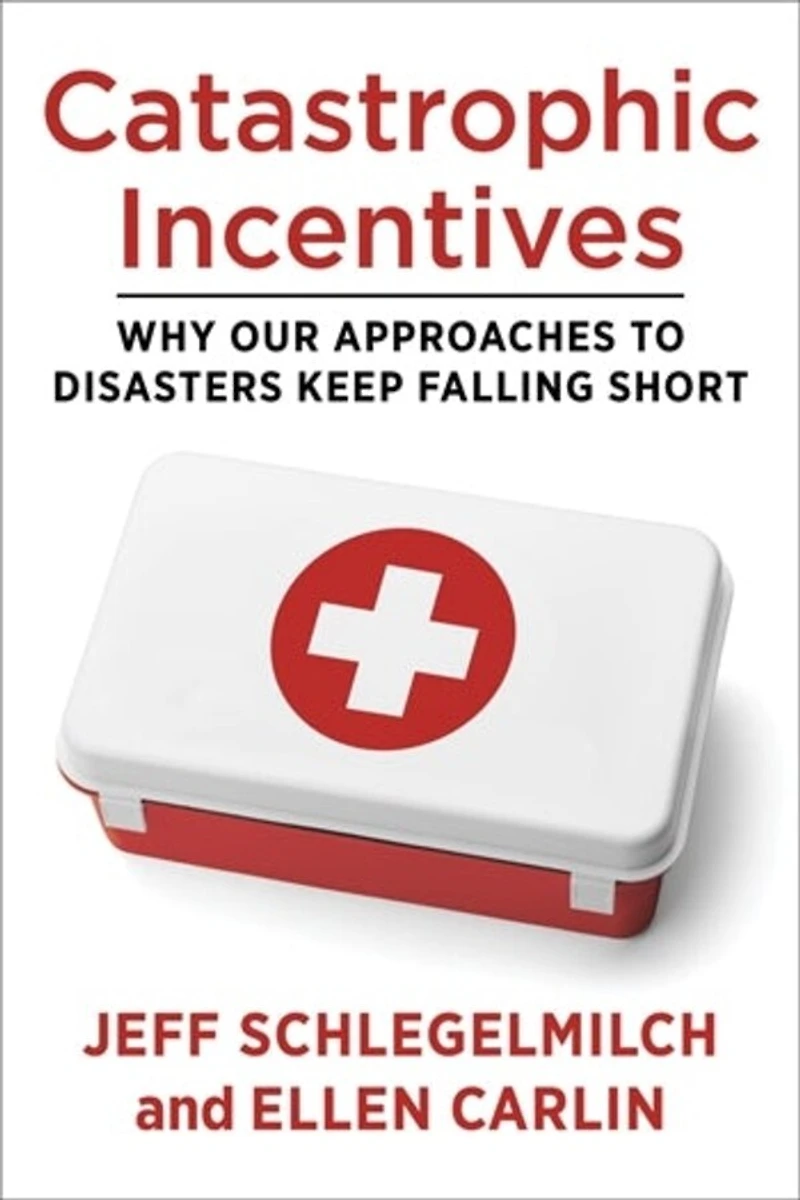
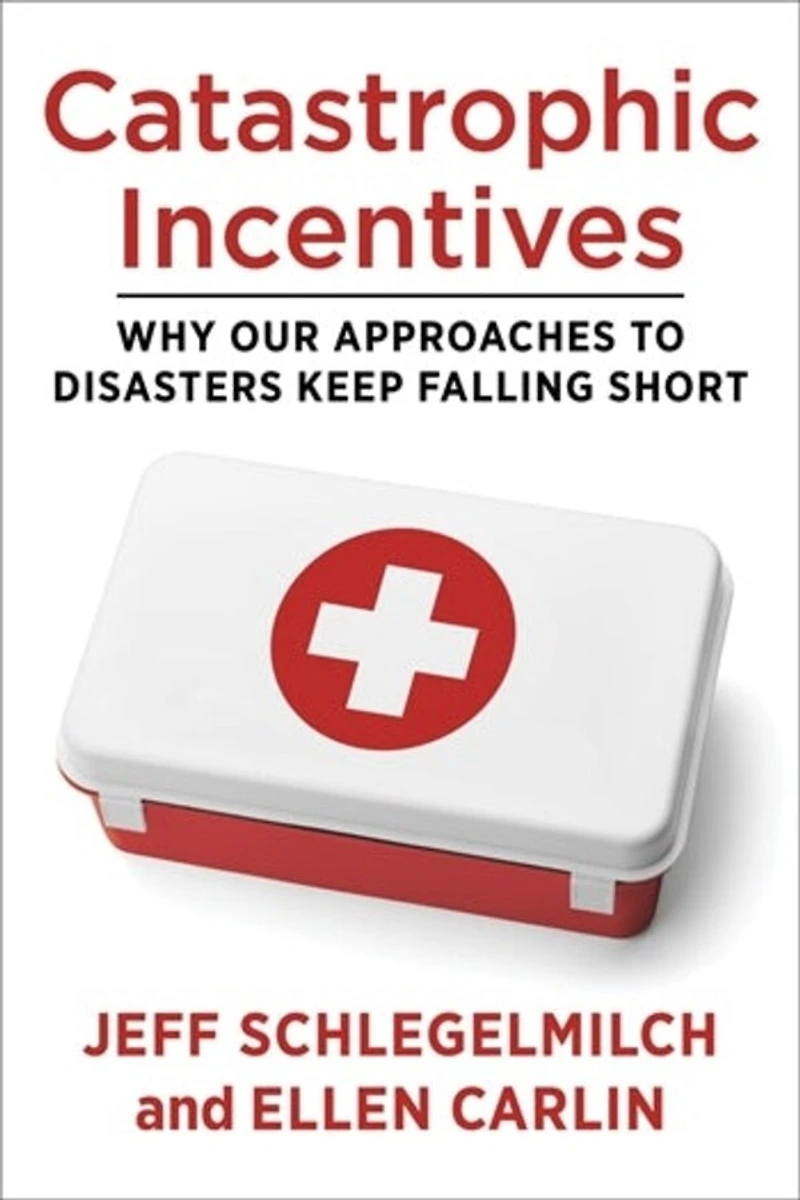
Catastrophic Incentives: Why Our Approaches to Disasters Keep Falling Short in Grande Prairie, AB
Current price: $156.00
Coles
Catastrophic Incentives: Why Our Approaches to Disasters Keep Falling Short in Grande Prairie, AB
Current price: $156.00
Loading Inventory...
Size: Hardcover
*Product information and pricing may vary - to confirm current pricing, availability, shipping, and return information please contact Coles. In the event of a pricing discrepancy, the retailer's price will apply.
Silver Award Winner, 2024 Nonfiction Book Awards
Societies are vulnerable to any number of potential disasters: earthquakes, hurricanes, infectious diseases, terrorist attacks, and many others. Even though the dangers are often clear, there is a persistent pattern of inadequate preparation and a failure to learn from experience. Before disasters, institutions pay insufficient attention to risk; in the aftermath, even when the lack of preparation led to a flawed response, the focus shifts to patching holes instead of addressing the underlying problems.
Examining twenty years of disasters from 9/11 to COVID-19, Jeff Schlegelmilch and Ellen Carlin show how flawed incentive structures make the world more vulnerable when catastrophe strikes. They explore how governments, the private sector, nonprofits, and academia behave before, during, and after crises, arguing that standard operational and business models have produced dysfunction. Catastrophic Incentives reveals troubling patterns about what does and does not matter to the institutions that are responsible for dealing with disasters. The short-termism of electoral politics and corporate decision making, the funding structure of nonprofits, and the institutional dynamics shaping academic research have all contributed to a failure to build resilience.
Offering a comprehensive and incisive look at disaster governance, Catastrophic Incentives provides timely recommendations for reimagining systems and institutions so that they are better equipped to manage twenty-first-century threats.
Silver Award Winner, 2024 Nonfiction Book Awards
Societies are vulnerable to any number of potential disasters: earthquakes, hurricanes, infectious diseases, terrorist attacks, and many others. Even though the dangers are often clear, there is a persistent pattern of inadequate preparation and a failure to learn from experience. Before disasters, institutions pay insufficient attention to risk; in the aftermath, even when the lack of preparation led to a flawed response, the focus shifts to patching holes instead of addressing the underlying problems.
Examining twenty years of disasters from 9/11 to COVID-19, Jeff Schlegelmilch and Ellen Carlin show how flawed incentive structures make the world more vulnerable when catastrophe strikes. They explore how governments, the private sector, nonprofits, and academia behave before, during, and after crises, arguing that standard operational and business models have produced dysfunction. Catastrophic Incentives reveals troubling patterns about what does and does not matter to the institutions that are responsible for dealing with disasters. The short-termism of electoral politics and corporate decision making, the funding structure of nonprofits, and the institutional dynamics shaping academic research have all contributed to a failure to build resilience.
Offering a comprehensive and incisive look at disaster governance, Catastrophic Incentives provides timely recommendations for reimagining systems and institutions so that they are better equipped to manage twenty-first-century threats.
You May Also Like















Find at Prairie Mall in Grande Prairie, AB
Visit at Prairie Mall in Grande Prairie, AB