


Gifting Made Simple
Give the Gift of ChoiceClick below to purchase a Prairie Mall eGift Card that can be used at participating retailers at Prairie Mall.Buy Gift CardHome
Cassandra and the Poetics of Prophecy Greek Latin Literature
Coles
Loading Inventory...
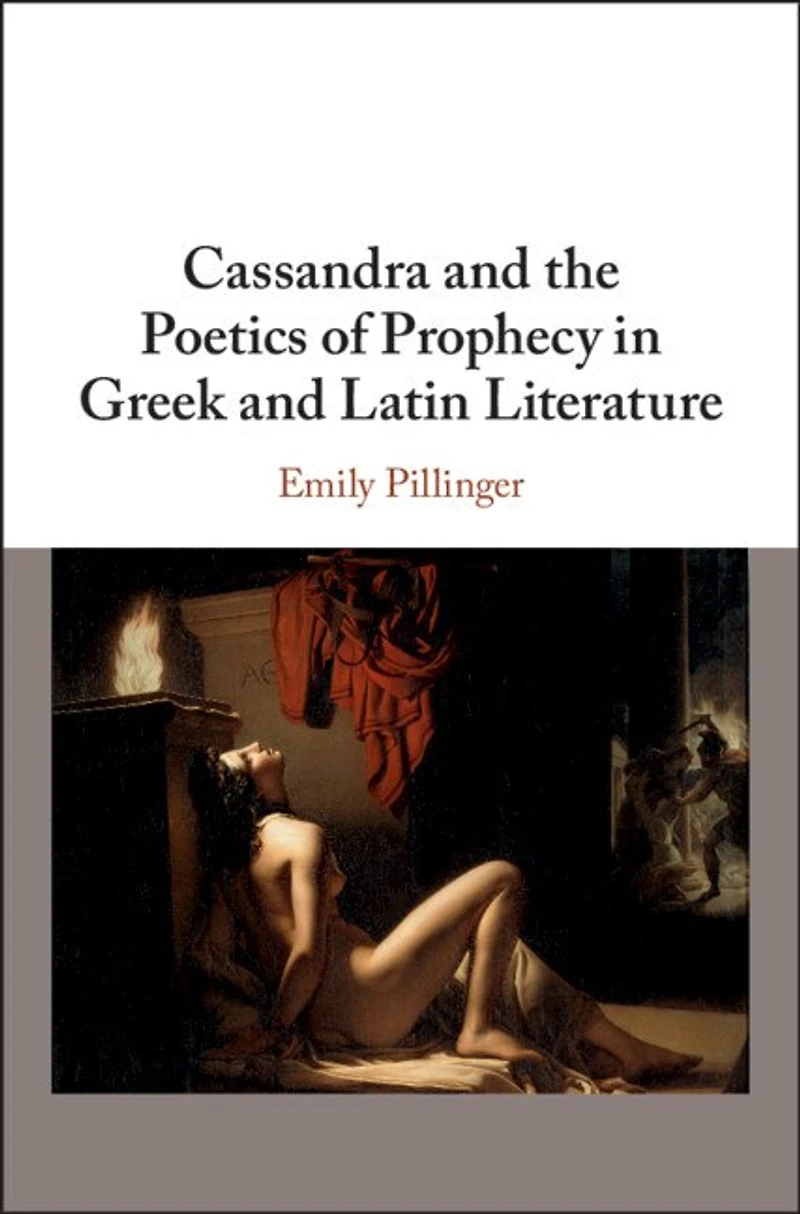
Cassandra and the Poetics of Prophecy Greek Latin Literature in Grande Prairie, AB
Current price: $152.95
Coles
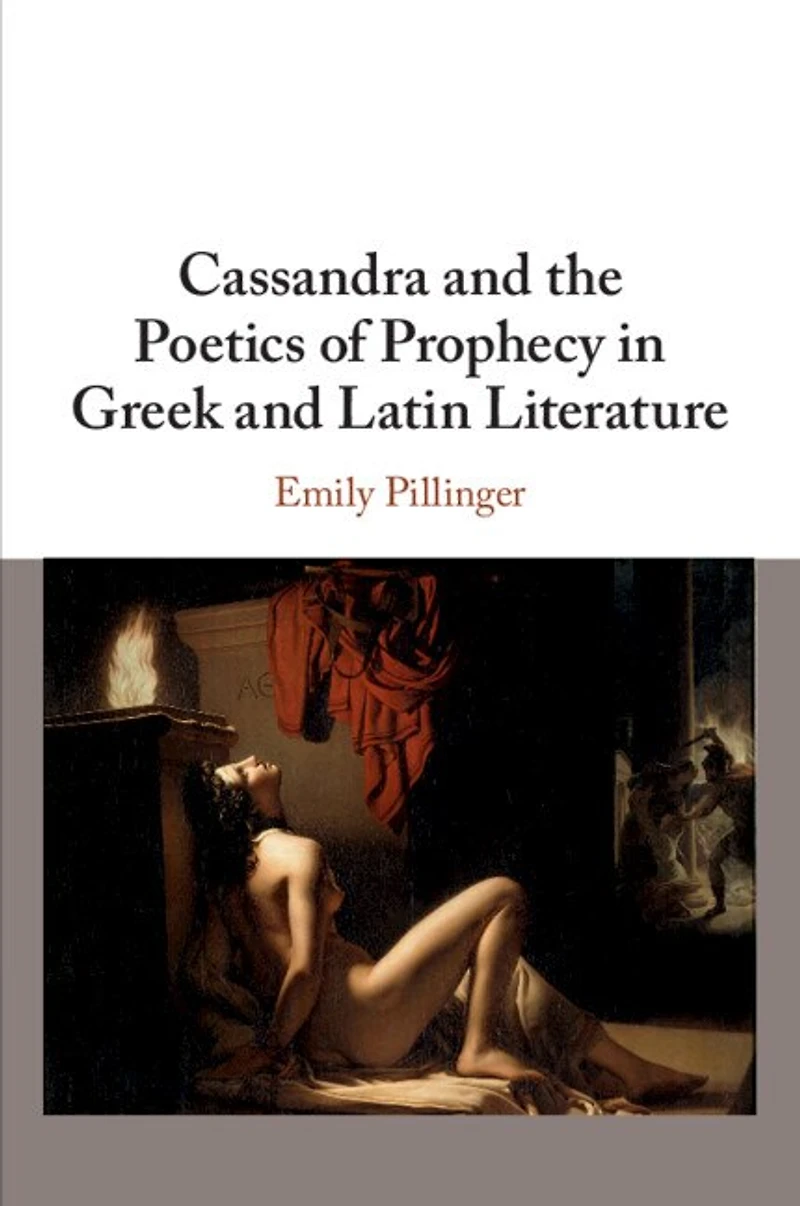
Cassandra and the Poetics of Prophecy Greek Latin Literature in Grande Prairie, AB
Current price: $152.95
Loading Inventory...
Size: Hardcover
*Product information and pricing may vary - to confirm current pricing, availability, shipping, and return information please contact Coles. In the event of a pricing discrepancy, the retailer's price will apply.
This book explores the miscommunications of the prophet Cassandra - cursed to prophesy the truth but never to be understood until too late - in Greek and Latin poetry. Using insights from the field of translation studies, the book focuses on the dialogic interactions that take place between the articulation and the realization of Cassandra's prophecies in five canonical ancient texts, stretching from Aeschylus' to Seneca's Agamemnon. These interactions are dogged by confusion and misunderstanding, but they also show a range of interested parties engaged in creatively 'translating' meaning for themselves from Cassandra's ostensibly nonsensical voice. Moreover, as the figure of Cassandra is translated from one literary work into another, including into the Sibyl of Virgil's Aeneid, her story of tragic communicative disability develops into an optimistic metaphor for literary canon-formation. Cassandra invites us to reconsider the status and value of even the most riddling of female prophets in ancient poetry.
This book explores the miscommunications of the prophet Cassandra - cursed to prophesy the truth but never to be understood until too late - in Greek and Latin poetry. Using insights from the field of translation studies, the book focuses on the dialogic interactions that take place between the articulation and the realization of Cassandra's prophecies in five canonical ancient texts, stretching from Aeschylus' to Seneca's Agamemnon. These interactions are dogged by confusion and misunderstanding, but they also show a range of interested parties engaged in creatively 'translating' meaning for themselves from Cassandra's ostensibly nonsensical voice. Moreover, as the figure of Cassandra is translated from one literary work into another, including into the Sibyl of Virgil's Aeneid, her story of tragic communicative disability develops into an optimistic metaphor for literary canon-formation. Cassandra invites us to reconsider the status and value of even the most riddling of female prophets in ancient poetry.
You May Also Like









Find at Prairie Mall in Grande Prairie, AB
Visit at Prairie Mall in Grande Prairie, AB