


Gifting Made Simple
Give the Gift of ChoiceClick below to purchase a Prairie Mall eGift Card that can be used at participating retailers at Prairie Mall.Buy Gift CardHome
Capsaicinoids: From Natural Sources to Biosynthesis and their Clinical Applications
Coles
Loading Inventory...
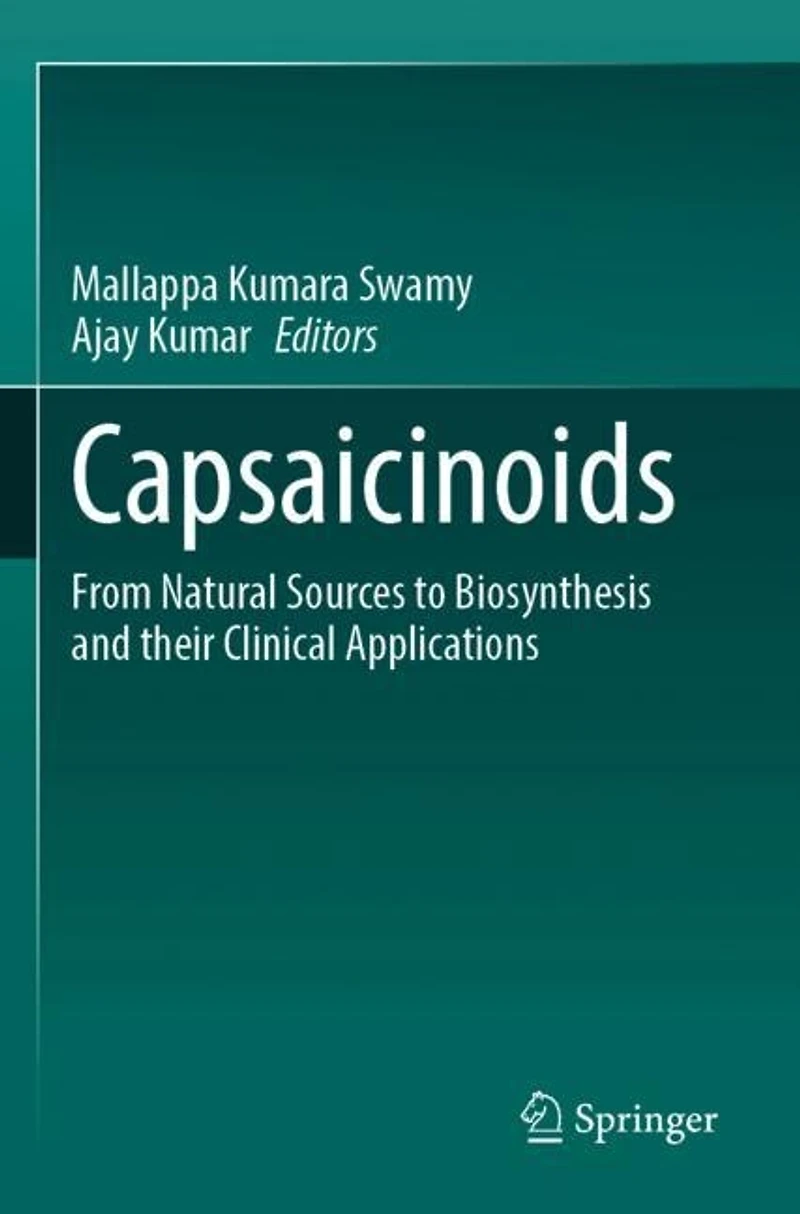
Capsaicinoids: From Natural Sources to Biosynthesis and their Clinical Applications in Grande Prairie, AB
Current price: $364.95
Coles
Capsaicinoids: From Natural Sources to Biosynthesis and their Clinical Applications in Grande Prairie, AB
Current price: $364.95
Loading Inventory...
Size: Paperback
*Product information and pricing may vary - to confirm current pricing, availability, shipping, and return information please contact Coles. In the event of a pricing discrepancy, the retailer's price will apply.
This edited book brings out a comprehensive collection of information on capsaicinoids. Primarily, this book includes compiled knowledge on various aspects of capsaicin from ethnobotany to the most important clinical applications. This book covers topics emphasizing chemistry, biosynthesis, anticancer activities, bioavailability, currently undergoing experimental phases, and biotechnological methods, including cell cultures, and metabolic engineering in heterologous microbial and plant systems to enhance capsaicin production. Capsaicinoids are a group of important compounds that are particularly synthesized by various members of the genus Capsicum in their placenta. Capsaicin is the most abundant vanilloid compound among the different capsaicinoids in hot peppers. Other capsaicinoids include dihydrocapsaicin, nordihydrocapsaicin, homocapsaicin, and homodihydrocapsaicin. The capsaicin has been proven as an important bioactive molecule with several properties against many ailments, such as cancer, diabetes, obesity and diseases of the airway and urinary tract. Capsaicin interacts with TRPV1 receptors in humans. These compounds exert their functions by interacting with the TRPV receptors. This book summarises the increasing literature surrounding capsaicin and helps to pave the way for the development of novel targets for the prevention and treatment of many disorders. It is useful for scientists, clinicians, and industry specialists working in the field of herbal therapeutics. It also assists as supplementary reading material for undergraduate and graduate students of botany, biotechnology, biochemistry, bioengineering, pharmacology, and medicine.
This edited book brings out a comprehensive collection of information on capsaicinoids. Primarily, this book includes compiled knowledge on various aspects of capsaicin from ethnobotany to the most important clinical applications. This book covers topics emphasizing chemistry, biosynthesis, anticancer activities, bioavailability, currently undergoing experimental phases, and biotechnological methods, including cell cultures, and metabolic engineering in heterologous microbial and plant systems to enhance capsaicin production. Capsaicinoids are a group of important compounds that are particularly synthesized by various members of the genus Capsicum in their placenta. Capsaicin is the most abundant vanilloid compound among the different capsaicinoids in hot peppers. Other capsaicinoids include dihydrocapsaicin, nordihydrocapsaicin, homocapsaicin, and homodihydrocapsaicin. The capsaicin has been proven as an important bioactive molecule with several properties against many ailments, such as cancer, diabetes, obesity and diseases of the airway and urinary tract. Capsaicin interacts with TRPV1 receptors in humans. These compounds exert their functions by interacting with the TRPV receptors. This book summarises the increasing literature surrounding capsaicin and helps to pave the way for the development of novel targets for the prevention and treatment of many disorders. It is useful for scientists, clinicians, and industry specialists working in the field of herbal therapeutics. It also assists as supplementary reading material for undergraduate and graduate students of botany, biotechnology, biochemistry, bioengineering, pharmacology, and medicine.
You May Also Like












Find at Prairie Mall in Grande Prairie, AB
Visit at Prairie Mall in Grande Prairie, AB