


Gifting Made Simple
Give the Gift of ChoiceClick below to purchase a Prairie Mall eGift Card that can be used at participating retailers at Prairie Mall.Buy Gift CardHome
Capitalism and Agrarian Change: Class, Production Reproduction Indonesia
Coles
Loading Inventory...
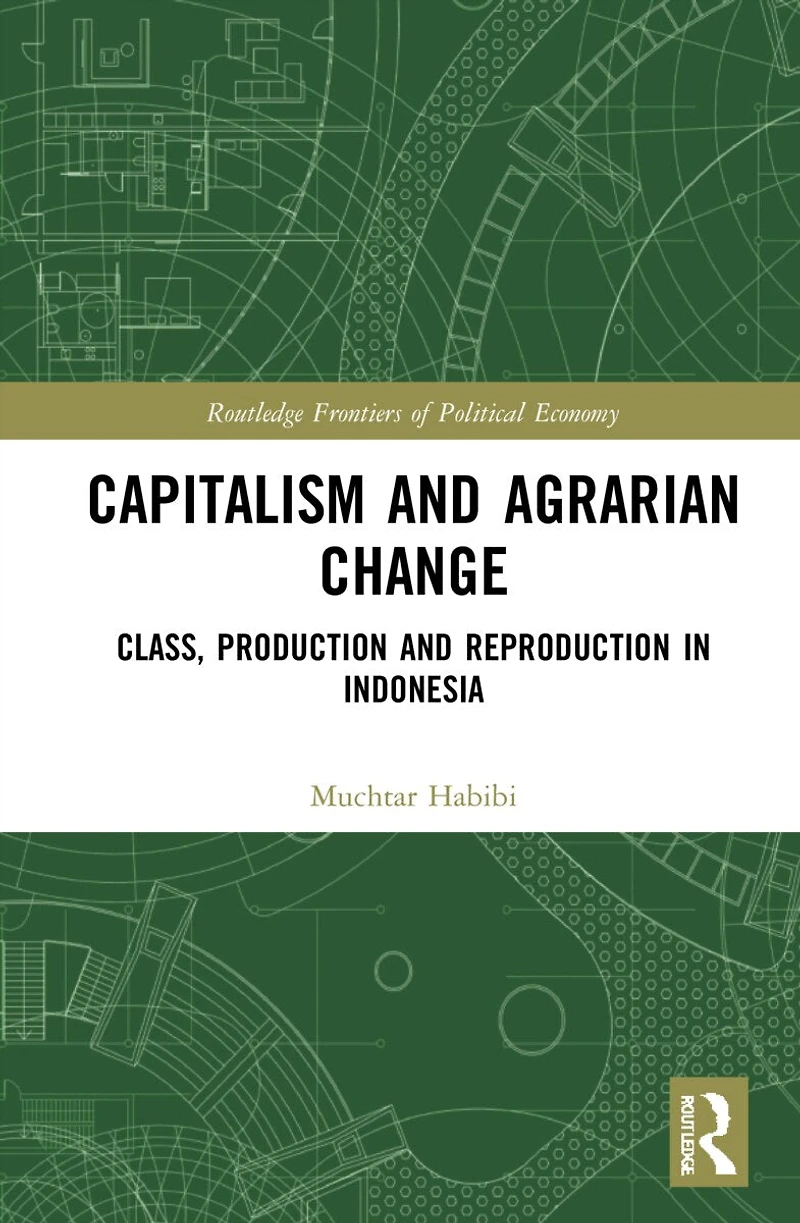
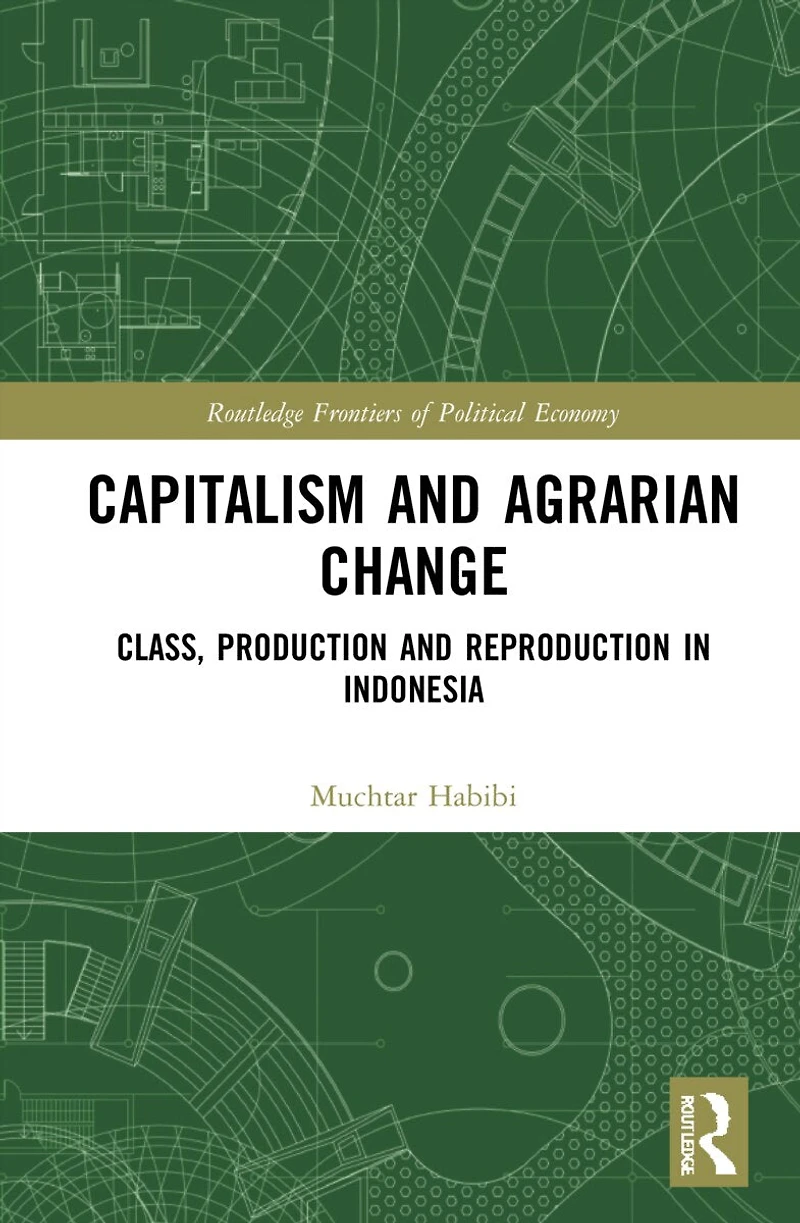
Capitalism and Agrarian Change: Class, Production Reproduction Indonesia in Grande Prairie, AB
Current price: $266.50
Coles
Capitalism and Agrarian Change: Class, Production Reproduction Indonesia in Grande Prairie, AB
Current price: $266.50
Loading Inventory...
Size: Hardcover
*Product information and pricing may vary - to confirm current pricing, availability, shipping, and return information please contact Coles. In the event of a pricing discrepancy, the retailer's price will apply.
Small-scale agricultural producers in the peripheral world are often condescendingly assumed to be a single social class ('the peasantry') to be pitted against the state or corporation. This book challenges this rather idealistic view by demonstrating that under current capitalist social relations (competition, efficiency and productivity, and profit maximisation), these agricultural producers have been differentiated into different agrarian classes by exploitation. By comparing two different contexts of local agrarian change in Indonesia-rice cultivation in Java and oil palm in Sumatra-this book exposes the different class locations of the agrarian classes among petty agricultural producers and the class relations between them. These are often inextricably linked to gender, clanship and generational issues. The power of class dynamics crucially shapes how agricultural production in both rice and oil palm is organised. The share received by different agrarian classes from the production site then prominently shapes the different nature of class reproduction for each agrarian class. This analysis demonstrates that the different agrarian classes possess different capacities and responses in their relation to the state or corporations. Any real emancipation attempt in the Indonesian countryside (and beyond) must start from a proper understanding of these class dynamics. This book marks a significant contribution to the literature on agrarian change, the political economy of development, rural development and Marxist political economy.
Small-scale agricultural producers in the peripheral world are often condescendingly assumed to be a single social class ('the peasantry') to be pitted against the state or corporation. This book challenges this rather idealistic view by demonstrating that under current capitalist social relations (competition, efficiency and productivity, and profit maximisation), these agricultural producers have been differentiated into different agrarian classes by exploitation. By comparing two different contexts of local agrarian change in Indonesia-rice cultivation in Java and oil palm in Sumatra-this book exposes the different class locations of the agrarian classes among petty agricultural producers and the class relations between them. These are often inextricably linked to gender, clanship and generational issues. The power of class dynamics crucially shapes how agricultural production in both rice and oil palm is organised. The share received by different agrarian classes from the production site then prominently shapes the different nature of class reproduction for each agrarian class. This analysis demonstrates that the different agrarian classes possess different capacities and responses in their relation to the state or corporations. Any real emancipation attempt in the Indonesian countryside (and beyond) must start from a proper understanding of these class dynamics. This book marks a significant contribution to the literature on agrarian change, the political economy of development, rural development and Marxist political economy.
You May Also Like










Find at Prairie Mall in Grande Prairie, AB
Visit at Prairie Mall in Grande Prairie, AB