


Gifting Made Simple
Give the Gift of ChoiceClick below to purchase a Prairie Mall eGift Card that can be used at participating retailers at Prairie Mall.Buy Gift CardHome
Canada's Cold Environments
Coles
Loading Inventory...
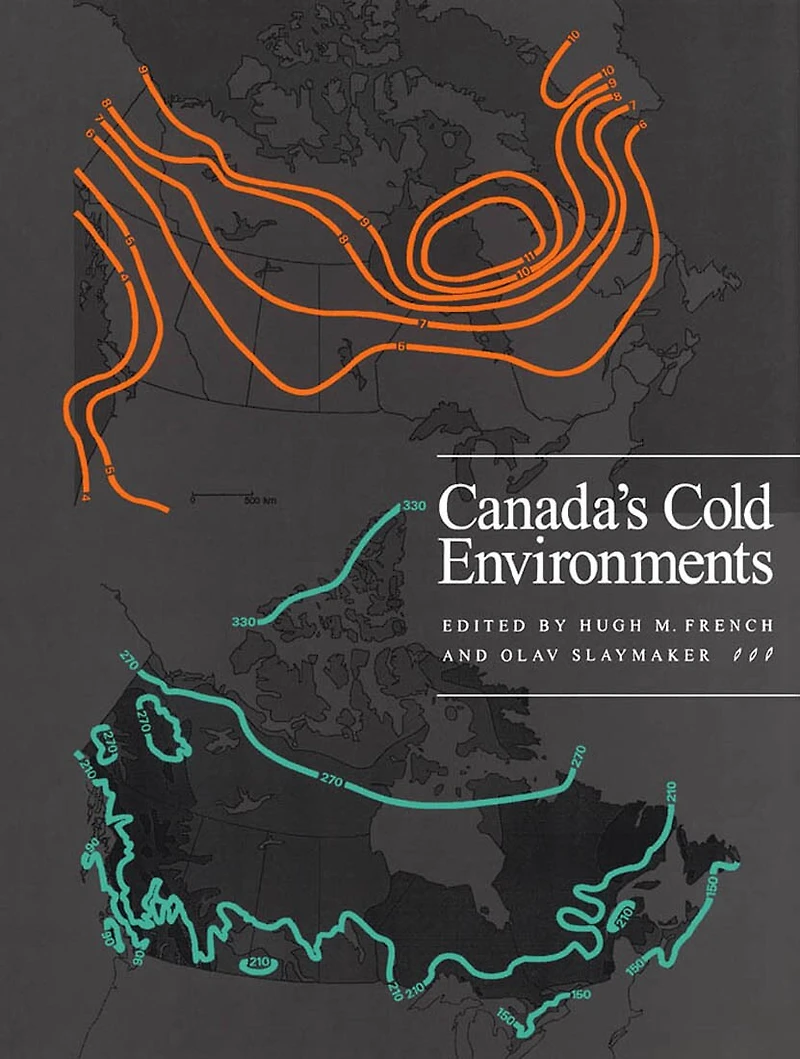
Canada's Cold Environments in Grande Prairie, AB
Current price: $125.00
Coles
Canada's Cold Environments in Grande Prairie, AB
Current price: $125.00
Loading Inventory...
Size: Hardcover
*Product information and pricing may vary - to confirm current pricing, availability, shipping, and return information please contact Coles. In the event of a pricing discrepancy, the retailer's price will apply.
Eleven of Canada's leading geographers, geologists, and ecologists provide an authoritative, readable collection of scientific essays about the physical nature of Canada's coldness. They focus on the distinctive attributes of Canada's cold environments, their temporal and spatial variability, and the constraints that coldness places on human activity. Canada's Cold Environments is aimed at environmental scientists at all levels who need informed overviews of the substantive findings on a range of cold-related topics.
Low temperatures, wind-chill, snow, sea ice, and permafrost have been primary characteristics of Canada's northern and alpine environments during the past two million years. The evolution of Canada's cultural landscapes, the processes of settlement of rural areas, and the present interaction of Canadian industrial society with its biophysical environment are all deeply influenced, directly or indirectly, by the frigidity of the greater part of the country. The phenomenon of global warming, if it occurs, will lessen this coldness, but its impact on temperature extremes, sea ice regimes, vegetation, snow distribution, permafrost, glaciers, lakes, rivers, and mountain hazards are all the subject of intensive research -- the highlights of which are reviewed in Canada's Cold Environments.
Eleven of Canada's leading geographers, geologists, and ecologists provide an authoritative yet readable scientific statement about the physical nature of Canada's coldness. They focus on the distinctive attributes of Canada's cold environments, their temporal and spatial variability, and the constraints that coldness places on human activity. The book is aimed at environmental scientists at all levels who need informed overviews of the substantive findings on a range of cold-related topics.
Eleven of Canada's leading geographers, geologists, and ecologists provide an authoritative, readable collection of scientific essays about the physical nature of Canada's coldness. They focus on the distinctive attributes of Canada's cold environments, their temporal and spatial variability, and the constraints that coldness places on human activity. Canada's Cold Environments is aimed at environmental scientists at all levels who need informed overviews of the substantive findings on a range of cold-related topics.
Low temperatures, wind-chill, snow, sea ice, and permafrost have been primary characteristics of Canada's northern and alpine environments during the past two million years. The evolution of Canada's cultural landscapes, the processes of settlement of rural areas, and the present interaction of Canadian industrial society with its biophysical environment are all deeply influenced, directly or indirectly, by the frigidity of the greater part of the country. The phenomenon of global warming, if it occurs, will lessen this coldness, but its impact on temperature extremes, sea ice regimes, vegetation, snow distribution, permafrost, glaciers, lakes, rivers, and mountain hazards are all the subject of intensive research -- the highlights of which are reviewed in Canada's Cold Environments.
Eleven of Canada's leading geographers, geologists, and ecologists provide an authoritative yet readable scientific statement about the physical nature of Canada's coldness. They focus on the distinctive attributes of Canada's cold environments, their temporal and spatial variability, and the constraints that coldness places on human activity. The book is aimed at environmental scientists at all levels who need informed overviews of the substantive findings on a range of cold-related topics.
You May Also Like














Find at Prairie Mall in Grande Prairie, AB
Visit at Prairie Mall in Grande Prairie, AB