


Gifting Made Simple
Give the Gift of ChoiceClick below to purchase a Prairie Mall eGift Card that can be used at participating retailers at Prairie Mall.Buy Gift CardHome
Camp Bowie Boulevard
Coles
Loading Inventory...
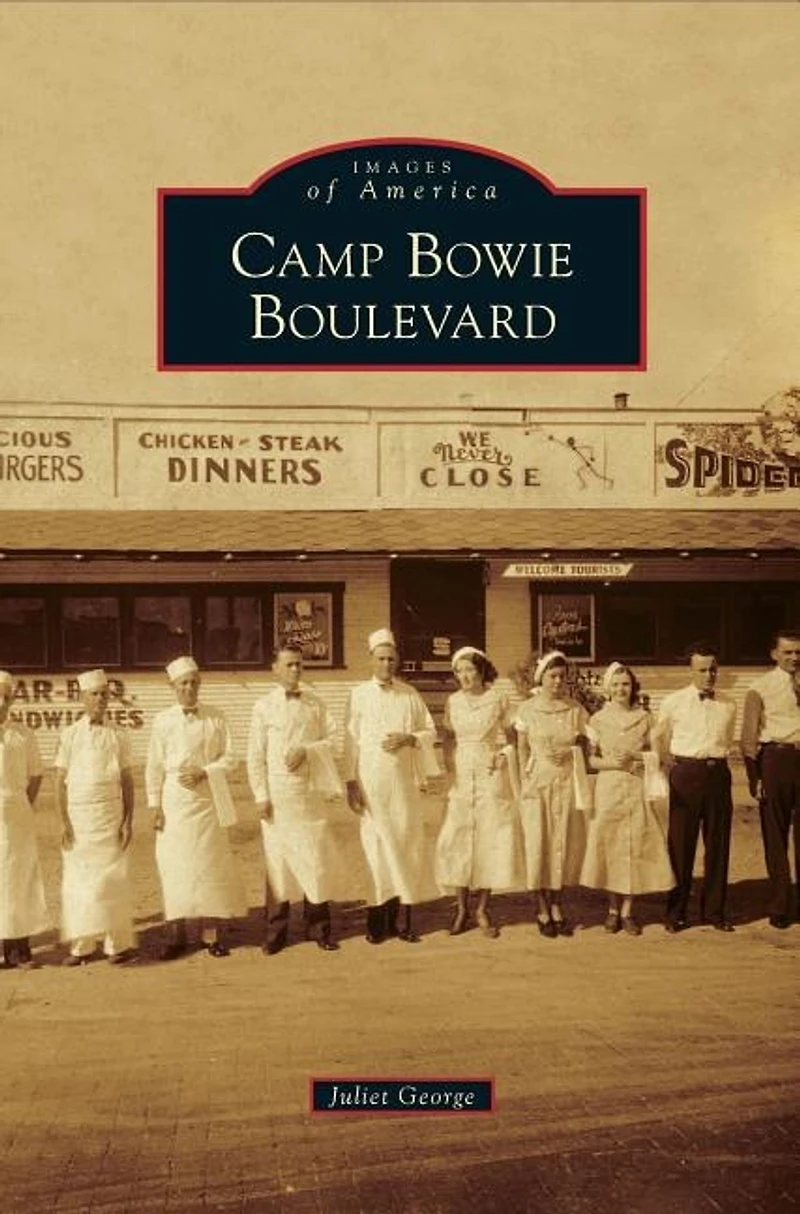
Camp Bowie Boulevard in Grande Prairie, AB
Current price: $36.99
Coles
Camp Bowie Boulevard in Grande Prairie, AB
Current price: $36.99
Loading Inventory...
Size: Hardcover
*Product information and pricing may vary - to confirm current pricing, availability, shipping, and return information please contact Coles. In the event of a pricing discrepancy, the retailer's price will apply.
In the early 1890s, Humphrey Barker Chamberlin installed a lifeline to his namesake suburb west of the city. A trolley connected to Arlington Heights Boulevard at the Trinity River's Clear Fork and chugged across prairie land to reach Chamberlin Arlington Heights. Camp Bowie, a soldiers' city, sprawled over both sides of the road from 1917 until 1919. At the Great War's end, the stretch west of present-day University Drive became the commemorative Camp Bowie Boulevard. The 1920s brought twin ribbons of cordovan-colored brick pavement, the prestige of inclusion in the Bankhead Highway network, and westering developers of another elite village: Ridglea. Midway through the Great Depression, the Will Rogers complex arose on a farm tract, visible from the thoroughfare, to host Texas Centennial celebrations and a special livestock exposition. Museums began claiming adjacent space in the 1950s. By the second decade of the 21st century, Camp Bowie Boulevard bisected a built environment both modern and historic.
In the early 1890s, Humphrey Barker Chamberlin installed a lifeline to his namesake suburb west of the city. A trolley connected to Arlington Heights Boulevard at the Trinity River's Clear Fork and chugged across prairie land to reach Chamberlin Arlington Heights. Camp Bowie, a soldiers' city, sprawled over both sides of the road from 1917 until 1919. At the Great War's end, the stretch west of present-day University Drive became the commemorative Camp Bowie Boulevard. The 1920s brought twin ribbons of cordovan-colored brick pavement, the prestige of inclusion in the Bankhead Highway network, and westering developers of another elite village: Ridglea. Midway through the Great Depression, the Will Rogers complex arose on a farm tract, visible from the thoroughfare, to host Texas Centennial celebrations and a special livestock exposition. Museums began claiming adjacent space in the 1950s. By the second decade of the 21st century, Camp Bowie Boulevard bisected a built environment both modern and historic.










Find at Prairie Mall in Grande Prairie, AB
Visit at Prairie Mall in Grande Prairie, AB