


Gifting Made Simple
Give the Gift of ChoiceClick below to purchase a Prairie Mall eGift Card that can be used at participating retailers at Prairie Mall.Buy Gift CardHome
Calcutta under Fire - The World War Two Years
Coles
Loading Inventory...
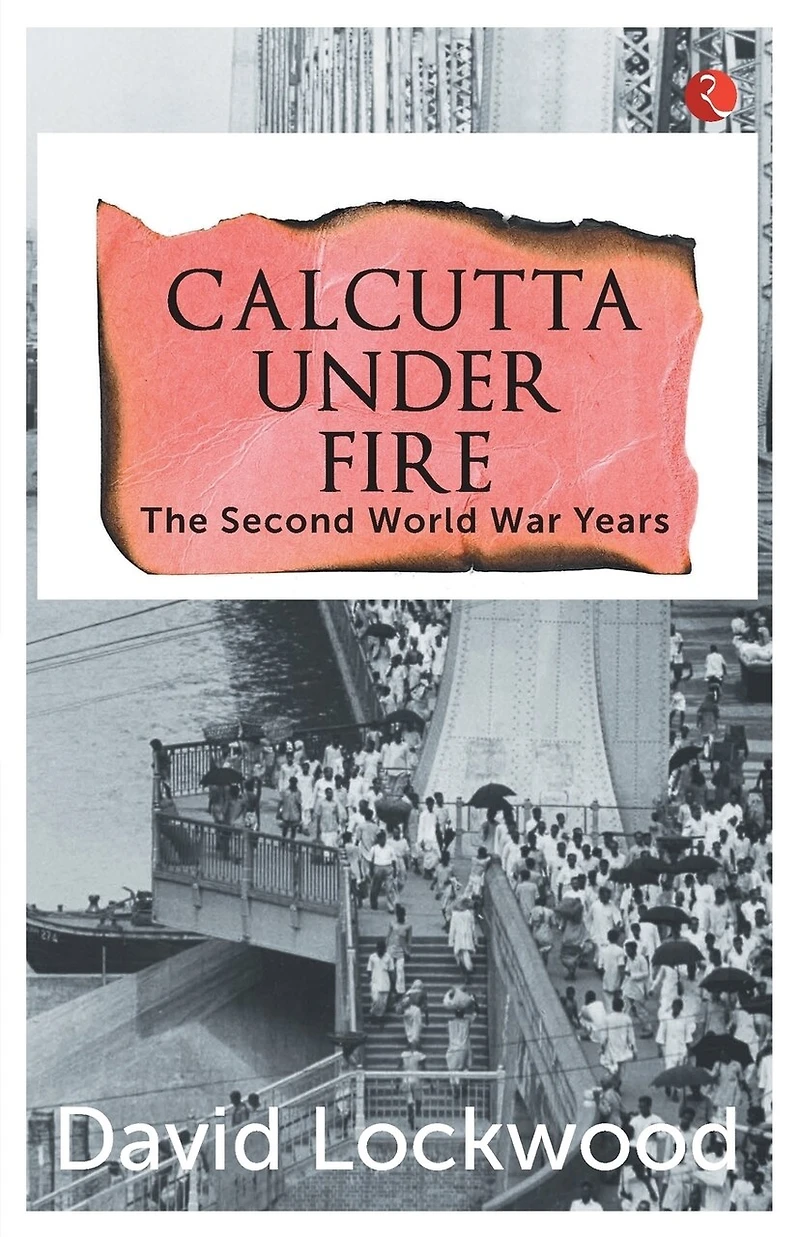
Calcutta under Fire - The World War Two Years in Grande Prairie, AB
Current price: $29.85
Coles
Calcutta under Fire - The World War Two Years in Grande Prairie, AB
Current price: $29.85
Loading Inventory...
Size: Paperback
*Product information and pricing may vary - to confirm current pricing, availability, shipping, and return information please contact Coles. In the event of a pricing discrepancy, the retailer's price will apply.
December 1942: Calcutta is bombed by the Japanese air force. In the ensuing panic, one and a half million flee the almost defenseless city. The Japanese appear unstoppable and on their way to India. How did the political actors of the time react to the prospect of a Japanese invasion? The Congress regarded Britains presence in India as a provocation to the Japanese. They wanted it removed and were prepared to face the Japanese alone. The British, while maintaining a brave front, were not confident of their ability to hold India against the Japanese. The INA urged the Japanese to invade as long as they were in the front ranks and were permitted to rule India afterwards. David Lockwood investigates the reactions and plans of the Congress, the British and the Indian National Army (INA), concluding that the Japanese invasion revealed a good deal about the plans for India after the war, and that it was a part of the transition of the Indian State from the British to the Congress. Calcutta Under Fire offers a rare insight into a crucial period of contemporary Indian history.
December 1942: Calcutta is bombed by the Japanese air force. In the ensuing panic, one and a half million flee the almost defenseless city. The Japanese appear unstoppable and on their way to India. How did the political actors of the time react to the prospect of a Japanese invasion? The Congress regarded Britains presence in India as a provocation to the Japanese. They wanted it removed and were prepared to face the Japanese alone. The British, while maintaining a brave front, were not confident of their ability to hold India against the Japanese. The INA urged the Japanese to invade as long as they were in the front ranks and were permitted to rule India afterwards. David Lockwood investigates the reactions and plans of the Congress, the British and the Indian National Army (INA), concluding that the Japanese invasion revealed a good deal about the plans for India after the war, and that it was a part of the transition of the Indian State from the British to the Congress. Calcutta Under Fire offers a rare insight into a crucial period of contemporary Indian history.










Find at Prairie Mall in Grande Prairie, AB
Visit at Prairie Mall in Grande Prairie, AB