


Gifting Made Simple
Give the Gift of ChoiceClick below to purchase a Prairie Mall eGift Card that can be used at participating retailers at Prairie Mall.Buy Gift CardHome
Byzantine Medicine and Charitable Foundations: From Constantinople to the Scuola Grande di San Marco in Venice
Coles
Loading Inventory...
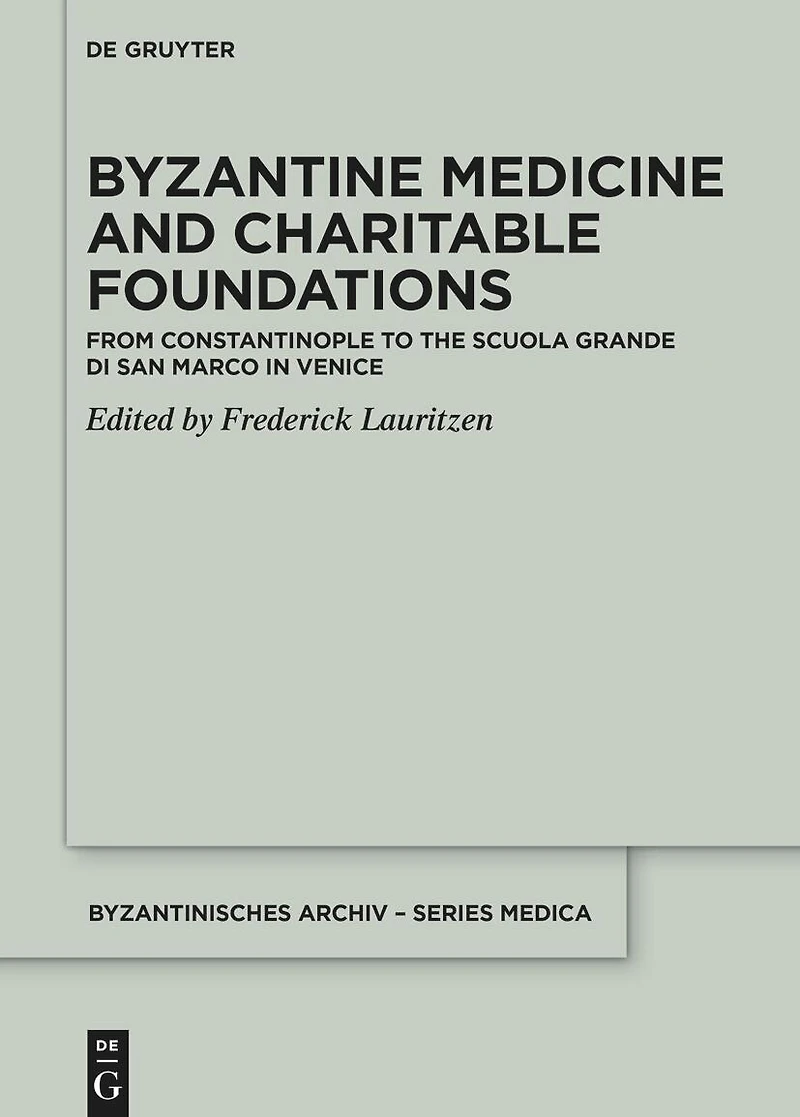
Byzantine Medicine and Charitable Foundations: From Constantinople to the Scuola Grande di San Marco in Venice
By None
Current price: $185.99
Coles
Byzantine Medicine and Charitable Foundations: From Constantinople to the Scuola Grande di San Marco in Venice
By None
Current price: $185.99
Loading Inventory...
Size: Hardcover
*Product information and pricing may vary - to confirm current pricing, availability, shipping, and return information please contact Coles. In the event of a pricing discrepancy, the retailer's price will apply.
Byzantine medicine and charitable foundations are essential parts of the culture of Constantinople. From the establishment of the new roman capital in 330 till its fall in 1453 the study and practice of medicine was often associated with charitable institutions (such as euageis oikoi) which may have inspired similar foundations in Venice (le Scuole Grandi) whose charitable and sometimes medical aspects are comparable to the byzantine ones. Each contributor addresses these questions and together they allow one to form an idea of how medicine was studied and often practiced in charitable foundations. The study of medicine in all its aspects is a central concern of byzantine culture. Each byzantine citizen was confronted with medicine during his or her life and would have known the charitable foundations, not only for their social function, but also as buildings visible on a daily basis.
Byzantine medicine and charitable foundations are essential parts of the culture of Constantinople. From the establishment of the new roman capital in 330 till its fall in 1453 the study and practice of medicine was often associated with charitable institutions (such as euageis oikoi) which may have inspired similar foundations in Venice (le Scuole Grandi) whose charitable and sometimes medical aspects are comparable to the byzantine ones. Each contributor addresses these questions and together they allow one to form an idea of how medicine was studied and often practiced in charitable foundations. The study of medicine in all its aspects is a central concern of byzantine culture. Each byzantine citizen was confronted with medicine during his or her life and would have known the charitable foundations, not only for their social function, but also as buildings visible on a daily basis.

















More About Coles at Prairie Mall
11801 100 St #104, Grande Prairie, AB T8V 3Y2, Canada
Find Coles at Prairie Mall in Grande Prairie, AB
Visit Coles at Prairie Mall in Grande Prairie, AB