


Gifting Made Simple
Give the Gift of ChoiceClick below to purchase a Prairie Mall eGift Card that can be used at participating retailers at Prairie Mall.Buy Gift CardHome
Buying Audiences: Clientelism And Electoral Campaigns When Parties Are Weak
Coles
Loading Inventory...
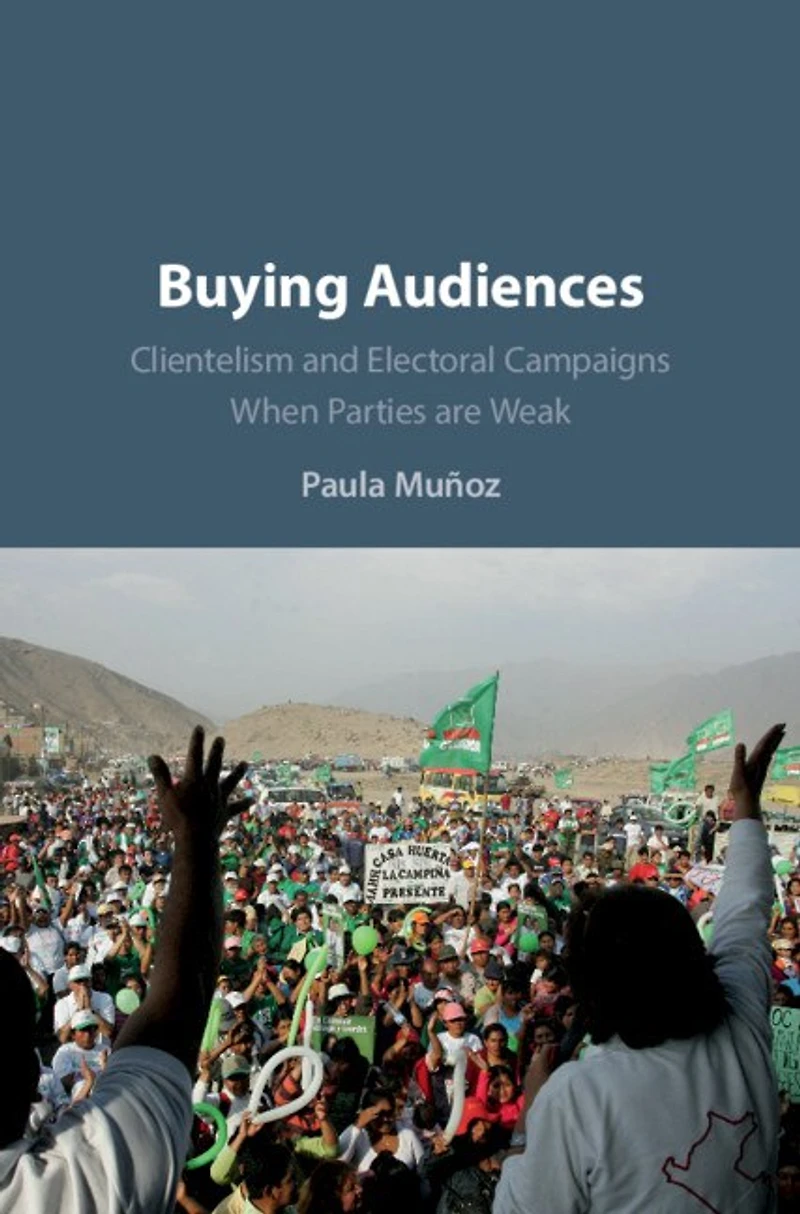
Buying Audiences: Clientelism And Electoral Campaigns When Parties Are Weak in Grande Prairie, AB
Current price: $152.95
Coles
Buying Audiences: Clientelism And Electoral Campaigns When Parties Are Weak in Grande Prairie, AB
Current price: $152.95
Loading Inventory...
Size: Hardcover
*Product information and pricing may vary - to confirm current pricing, availability, shipping, and return information please contact Coles. In the event of a pricing discrepancy, the retailer's price will apply.
Scholars typically emphasize the importance of organized networks and long-term relationships for sustaining electoral clientelism. Yet electoral clientelism remains widespread in many countries despite the weakening of organized parties. This book offers a new account of how clientelism and campaigning work in weak party systems and in the absence of stable party-broker relationships. Drawing on an in-depth study of Peru using a mixed methods approach and cross-national comparisons, Muñoz reveals the informational and indirect effects of investments made at the campaign stage. By distributing gifts, politicians buy the participation of poor voters at campaign events. This helps politicians improvise political organizations, persuade poor voters of candidates' desirability, and signal electoral viability to strategic donors and voters, with campaign dynamics ultimately shaping electoral outcomes. Among other contributions, the book sheds new light on role of donations and business actors and on ongoing challenges to party building.
Scholars typically emphasize the importance of organized networks and long-term relationships for sustaining electoral clientelism. Yet electoral clientelism remains widespread in many countries despite the weakening of organized parties. This book offers a new account of how clientelism and campaigning work in weak party systems and in the absence of stable party-broker relationships. Drawing on an in-depth study of Peru using a mixed methods approach and cross-national comparisons, Muñoz reveals the informational and indirect effects of investments made at the campaign stage. By distributing gifts, politicians buy the participation of poor voters at campaign events. This helps politicians improvise political organizations, persuade poor voters of candidates' desirability, and signal electoral viability to strategic donors and voters, with campaign dynamics ultimately shaping electoral outcomes. Among other contributions, the book sheds new light on role of donations and business actors and on ongoing challenges to party building.
You May Also Like

















Find at Prairie Mall in Grande Prairie, AB
Visit at Prairie Mall in Grande Prairie, AB