


Gifting Made Simple
Give the Gift of ChoiceClick below to purchase a Prairie Mall eGift Card that can be used at participating retailers at Prairie Mall.Buy Gift CardHome
Burning Swamps: Peat and the Forgotten Margins of Russia's Fossil Economy
Coles
Loading Inventory...
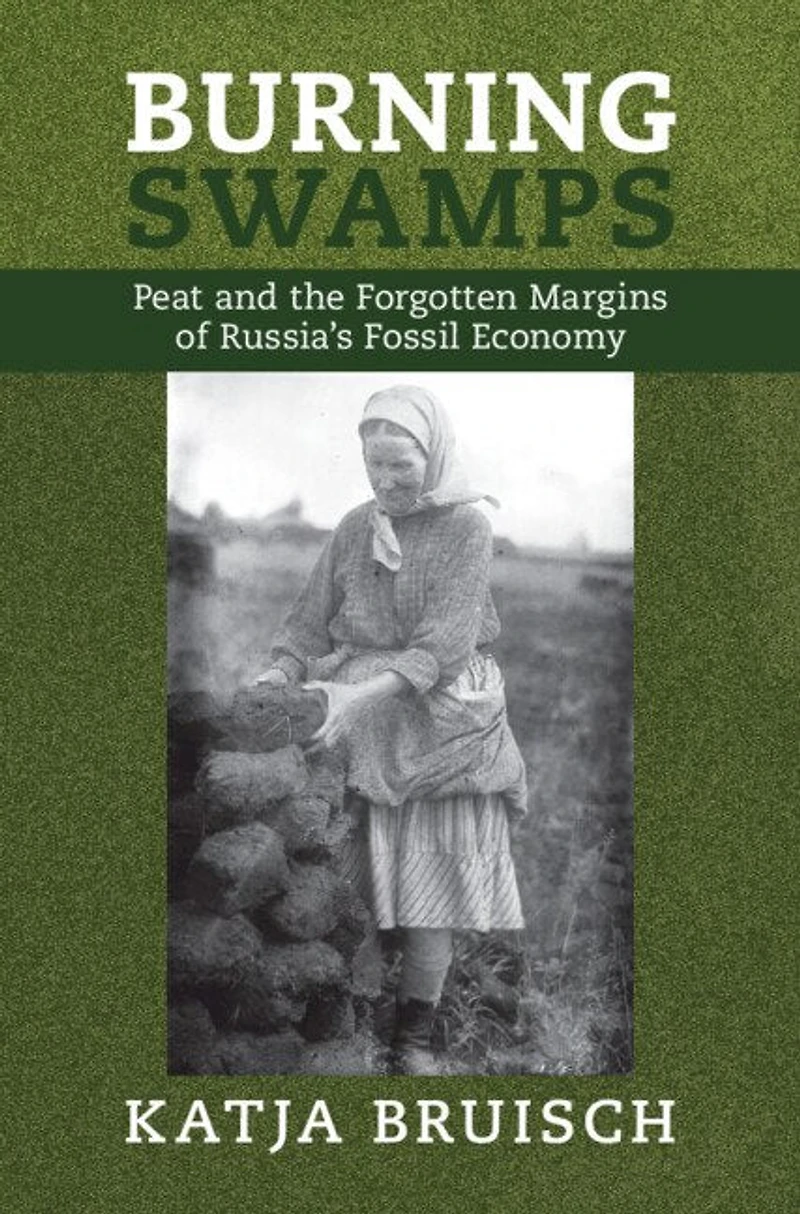
Burning Swamps: Peat and the Forgotten Margins of Russia's Fossil Economy in Grande Prairie, AB
Current price: $149.95
Coles
Burning Swamps: Peat and the Forgotten Margins of Russia's Fossil Economy in Grande Prairie, AB
Current price: $149.95
Loading Inventory...
Size: Hardcover
*Product information and pricing may vary - to confirm current pricing, availability, shipping, and return information please contact Coles. In the event of a pricing discrepancy, the retailer's price will apply.
This groundbreaking environmental history recounts the story of Russia's fossil economy from its margins. Unpacking the forgotten history of how peat fuelled manufacturing industries and power plants in late Imperial and Soviet Russia, Katja Bruisch provides a corrective to more familiar historical narratives dominated by coal, oil, and gas. Attentive to the intertwined histories of matter and labor during a century of industrial peat extraction, she offers a fresh perspective on the modern Russian economy that moves beyond the socialism/capitalism binary. By identifying peat extraction in modern Russia as a crucial chapter in the degradation of the world's peatlands, Bruisch makes a compelling case for paying attention to seemingly marginal places, people, and resources as we tell the histories of the planetary emergency.
This groundbreaking environmental history recounts the story of Russia's fossil economy from its margins. Unpacking the forgotten history of how peat fuelled manufacturing industries and power plants in late Imperial and Soviet Russia, Katja Bruisch provides a corrective to more familiar historical narratives dominated by coal, oil, and gas. Attentive to the intertwined histories of matter and labor during a century of industrial peat extraction, she offers a fresh perspective on the modern Russian economy that moves beyond the socialism/capitalism binary. By identifying peat extraction in modern Russia as a crucial chapter in the degradation of the world's peatlands, Bruisch makes a compelling case for paying attention to seemingly marginal places, people, and resources as we tell the histories of the planetary emergency.
You May Also Like













Find at Prairie Mall in Grande Prairie, AB
Visit at Prairie Mall in Grande Prairie, AB