


Gifting Made Simple
Give the Gift of ChoiceClick below to purchase a Prairie Mall eGift Card that can be used at participating retailers at Prairie Mall.Buy Gift CardHome
Burning My Father
Coles
Loading Inventory...
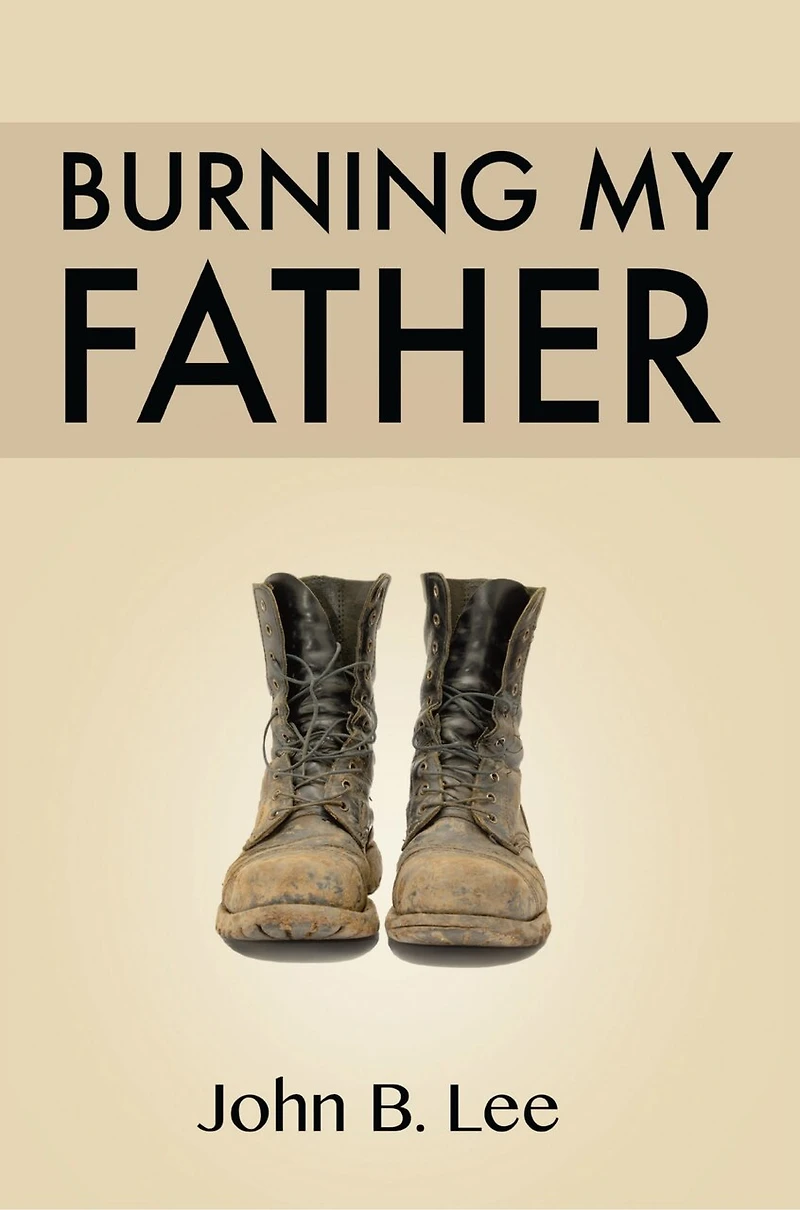
Burning My Father in Grande Prairie, AB
Current price: $17.00
Coles
Burning My Father in Grande Prairie, AB
Current price: $17.00
Loading Inventory...
Size: Paperback
*Product information and pricing may vary - to confirm current pricing, availability, shipping, and return information please contact Coles. In the event of a pricing discrepancy, the retailer's price will apply.
With the disappearance of the family farm, rural life has changed dramatically in Canada and the U.S. John B. Lee, who grew up on a southwestern Ontario sheep farm, returns to his roots to write about the hired hand, the lambing season, driving a tractor through the rutted flat fields, and bringing in the fall harvest. His poems are stories about real people who worked the land, saved every penny they earned, and dressed up on Sundays to pray and sing in the United Church in town. These are narratives by John B. Lee, the poet laureate of Brantford and Norfolk County, speak of that time in the 1950s in the midst of a recession, but also of the 1960s when this boy on the farm looked at a way to leave rural life to become a teacher and a writer. Although he made his exit, and turned his back on the farm, he never forgot those roots. This is his journey back to that time.
With the disappearance of the family farm, rural life has changed dramatically in Canada and the U.S. John B. Lee, who grew up on a southwestern Ontario sheep farm, returns to his roots to write about the hired hand, the lambing season, driving a tractor through the rutted flat fields, and bringing in the fall harvest. His poems are stories about real people who worked the land, saved every penny they earned, and dressed up on Sundays to pray and sing in the United Church in town. These are narratives by John B. Lee, the poet laureate of Brantford and Norfolk County, speak of that time in the 1950s in the midst of a recession, but also of the 1960s when this boy on the farm looked at a way to leave rural life to become a teacher and a writer. Although he made his exit, and turned his back on the farm, he never forgot those roots. This is his journey back to that time.
You May Also Like








Find at Prairie Mall in Grande Prairie, AB
Visit at Prairie Mall in Grande Prairie, AB