


Gifting Made Simple
Give the Gift of ChoiceClick below to purchase a Prairie Mall eGift Card that can be used at participating retailers at Prairie Mall.Buy Gift CardHome
Building and Dwelling: Ethics for the City
Coles
Loading Inventory...
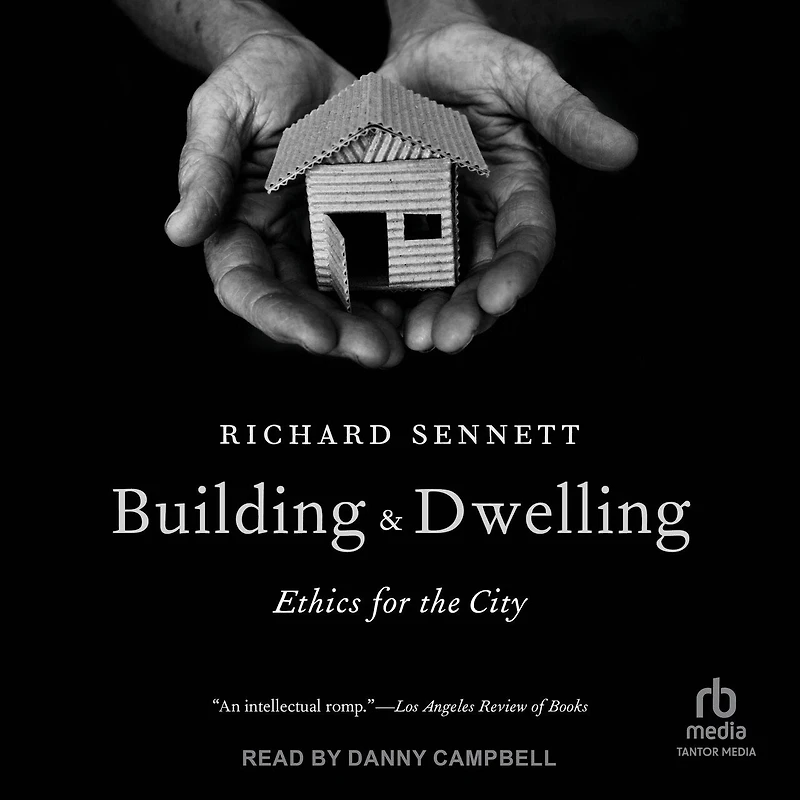
Building and Dwelling: Ethics for the City in Grande Prairie, AB
Current price: $72.95
Coles
Building and Dwelling: Ethics for the City in Grande Prairie, AB
Current price: $72.95
Loading Inventory...
Size: Audiobook (2023 A)
*Product information and pricing may vary - to confirm current pricing, availability, shipping, and return information please contact Coles. In the event of a pricing discrepancy, the retailer's price will apply.
A reflection on the past and present of city life, and a bold proposal for its future In this sweeping work, the preeminent sociologist Richard Sennett traces the anguished relation between how cities are built and how people live in them, from ancient Athens to twenty-first-century Shanghai. He shows how Paris, Barcelona, and New York City assumed their modern forms; rethinks the reputations of Jane Jacobs, Lewis Mumford, and others; and takes us on a tour of emblematic contemporary locations, from the backstreets of Medellín, Colombia, to Google headquarters in Manhattan. Through it all, Sennett laments that the "closed city"—segregated, regimented, and controlled—has spread from the Global North to the exploding urban centers of the Global South. He argues instead for a flexible and dynamic "open city," one that provides a better quality of life, that can adapt to climate change and challenge economic stagnation and racial separation. With arguments that speak directly to our moment—a time when more humans live in urban spaces than ever before—Sennett forms a bold and original vision for the future of cities.
A reflection on the past and present of city life, and a bold proposal for its future In this sweeping work, the preeminent sociologist Richard Sennett traces the anguished relation between how cities are built and how people live in them, from ancient Athens to twenty-first-century Shanghai. He shows how Paris, Barcelona, and New York City assumed their modern forms; rethinks the reputations of Jane Jacobs, Lewis Mumford, and others; and takes us on a tour of emblematic contemporary locations, from the backstreets of Medellín, Colombia, to Google headquarters in Manhattan. Through it all, Sennett laments that the "closed city"—segregated, regimented, and controlled—has spread from the Global North to the exploding urban centers of the Global South. He argues instead for a flexible and dynamic "open city," one that provides a better quality of life, that can adapt to climate change and challenge economic stagnation and racial separation. With arguments that speak directly to our moment—a time when more humans live in urban spaces than ever before—Sennett forms a bold and original vision for the future of cities.
You May Also Like











Find at Prairie Mall in Grande Prairie, AB
Visit at Prairie Mall in Grande Prairie, AB