


Gifting Made Simple
Give the Gift of ChoiceClick below to purchase a Prairie Mall eGift Card that can be used at participating retailers at Prairie Mall.Buy Gift CardHome
Buddhist Philosophy and the Embodied Mind: A Constructive Engagement
Coles
Loading Inventory...
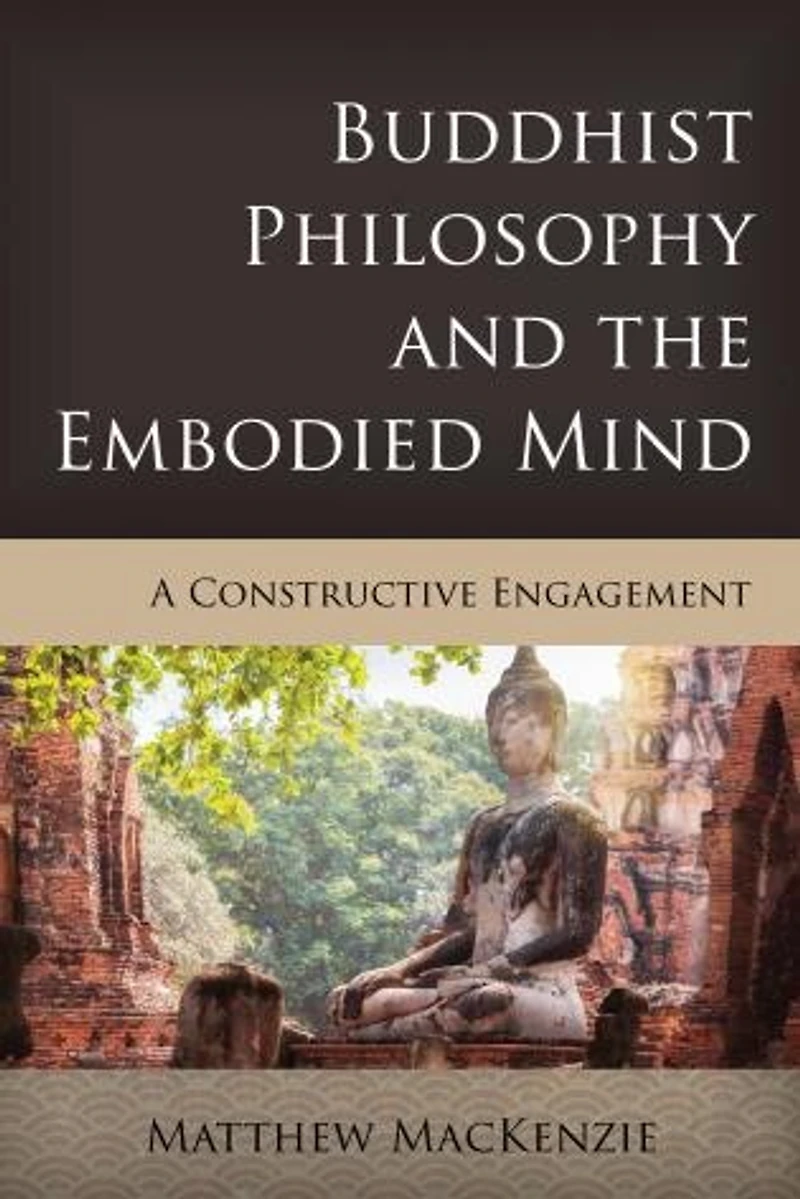
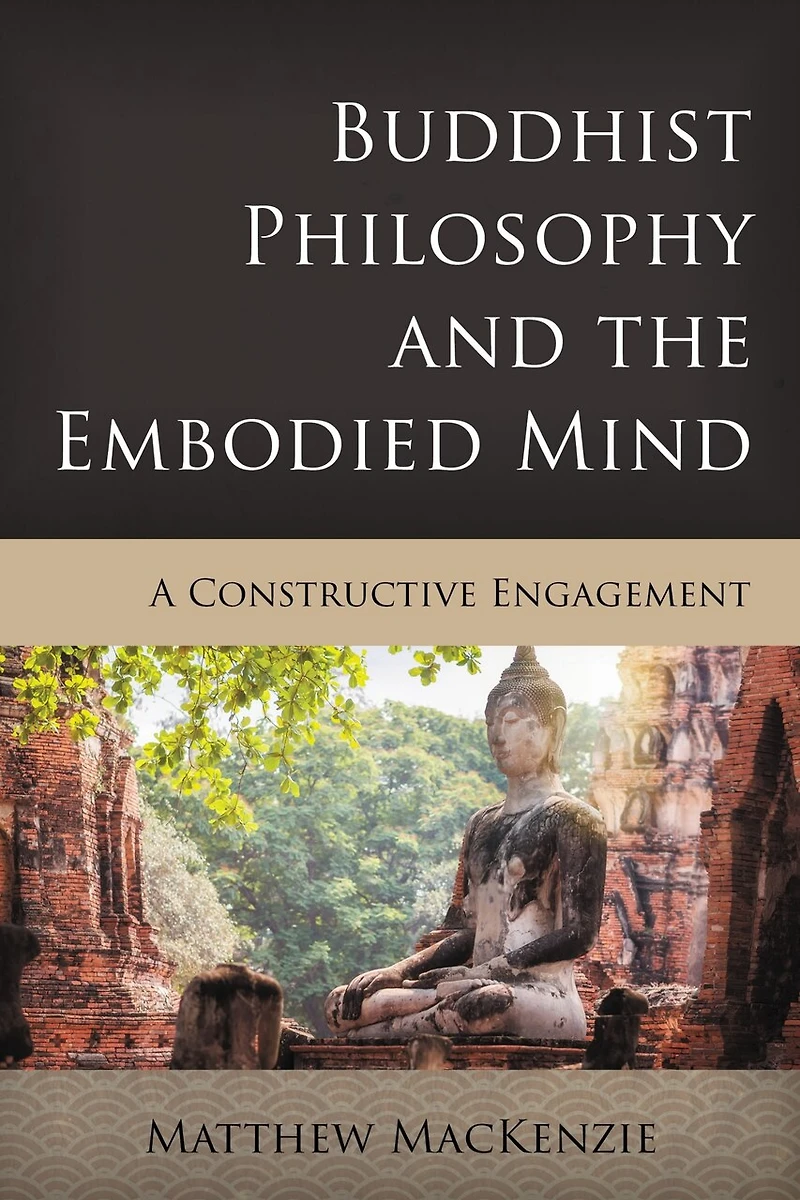
Buddhist Philosophy and the Embodied Mind: A Constructive Engagement in Grande Prairie, AB
Current price: $167.95
Coles
Buddhist Philosophy and the Embodied Mind: A Constructive Engagement in Grande Prairie, AB
Current price: $167.95
Loading Inventory...
Size: Hardcover
*Product information and pricing may vary - to confirm current pricing, availability, shipping, and return information please contact Coles. In the event of a pricing discrepancy, the retailer's price will apply.
In the last 30 years, embodied, embedded, enactive, and extended (4E) accounts of mind and experience have flourished. A more cosmopolitan and pluralistic approach to the philosophy of mind has also emerged, drawing on analytic, phenomenological, pragmatist, and non-Western sources and traditions. This is the first book to fully engage the 4E approach and Buddhist philosophy, drawing on and integrating the intersection of enactivism and Buddhist thought. This book deepens and extends the dialogue between Buddhist philosophy and 4E philosophy of mind and phenomenology. It engages with core issues in the philosophy of mind broadly construed in and through the dialogue between Buddhism and enactivism. Indian philosophers developed and defended philosophically sophisticated and phenomenologically rich accounts of mind, self, cognition, perception, embodiment, and more. As a work of cross-cultural philosophy, the book investigates the nature of mind and experience in dialogue with Indian and Western thinkers. On the basis of this cross-traditional dialogue, the book articulates and defends a dynamic, non-substantialist, and embodied account of experience, subjectivity, and self.
In the last 30 years, embodied, embedded, enactive, and extended (4E) accounts of mind and experience have flourished. A more cosmopolitan and pluralistic approach to the philosophy of mind has also emerged, drawing on analytic, phenomenological, pragmatist, and non-Western sources and traditions. This is the first book to fully engage the 4E approach and Buddhist philosophy, drawing on and integrating the intersection of enactivism and Buddhist thought. This book deepens and extends the dialogue between Buddhist philosophy and 4E philosophy of mind and phenomenology. It engages with core issues in the philosophy of mind broadly construed in and through the dialogue between Buddhism and enactivism. Indian philosophers developed and defended philosophically sophisticated and phenomenologically rich accounts of mind, self, cognition, perception, embodiment, and more. As a work of cross-cultural philosophy, the book investigates the nature of mind and experience in dialogue with Indian and Western thinkers. On the basis of this cross-traditional dialogue, the book articulates and defends a dynamic, non-substantialist, and embodied account of experience, subjectivity, and self.
You May Also Like


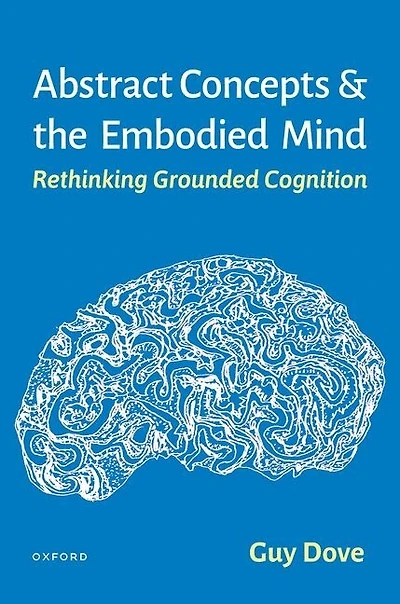
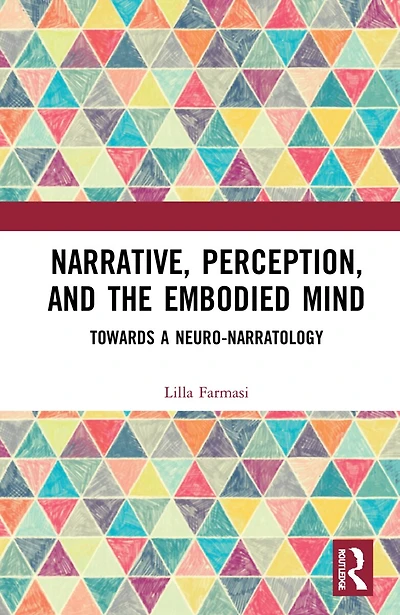
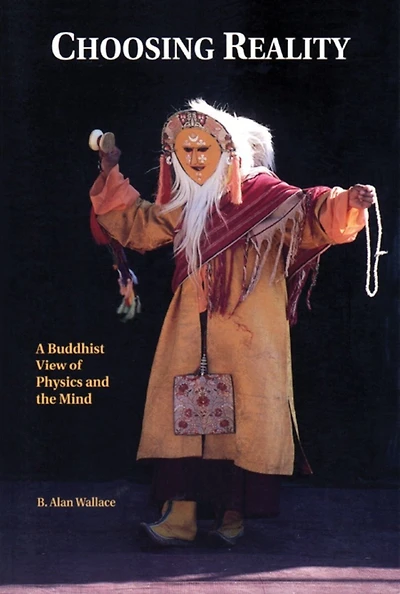









Find at Prairie Mall in Grande Prairie, AB
Visit at Prairie Mall in Grande Prairie, AB