


Gifting Made Simple
Give the Gift of ChoiceClick below to purchase a Prairie Mall eGift Card that can be used at participating retailers at Prairie Mall.Buy Gift CardHome
Bt Resistance: Characterization and Strategies for GM Crops Producing Bacillus thuringiensis Toxins
Coles
Loading Inventory...
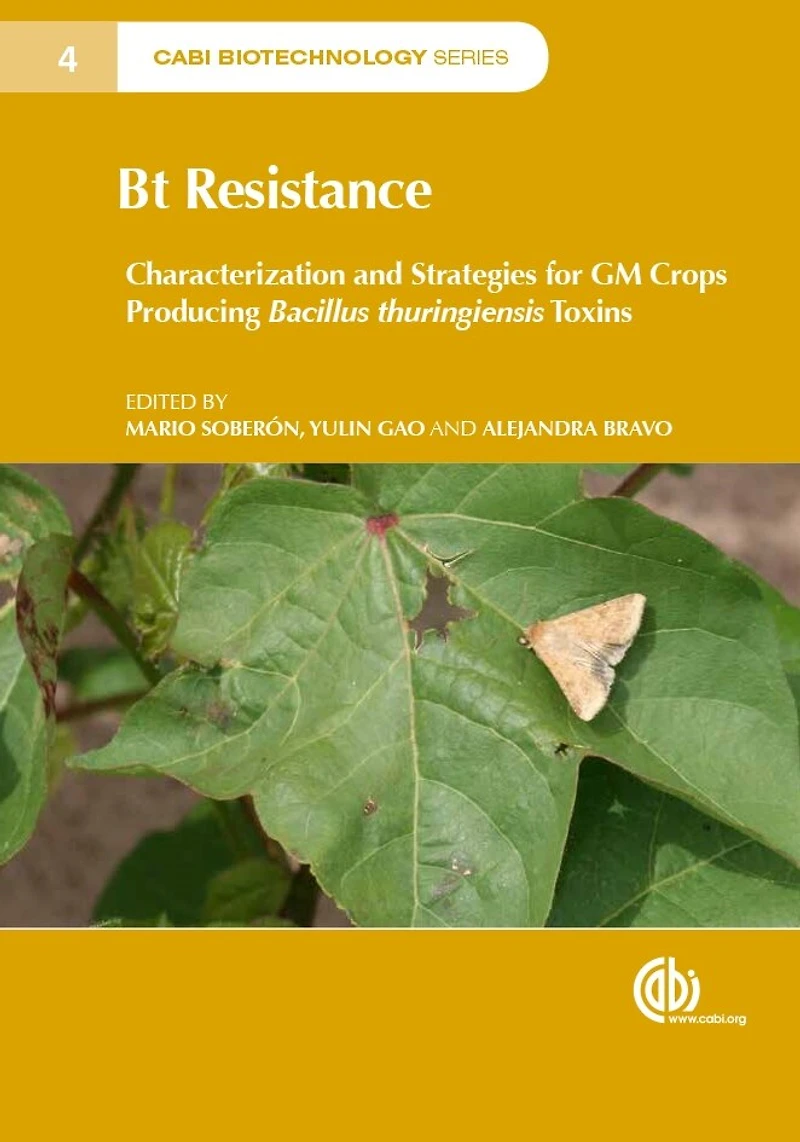
Bt Resistance: Characterization and Strategies for GM Crops Producing Bacillus thuringiensis Toxins in Grande Prairie, AB
Current price: $82.99
Coles
Bt Resistance: Characterization and Strategies for GM Crops Producing Bacillus thuringiensis Toxins in Grande Prairie, AB
Current price: $82.99
Loading Inventory...
Size: Hardcover
*Product information and pricing may vary - to confirm current pricing, availability, shipping, and return information please contact Coles. In the event of a pricing discrepancy, the retailer's price will apply.
Bacillus thuringiensis (Bt) bacteria use Cry proteins to kill their insect larval hosts. The expression of certain Cry toxins in transgenic crops has been widely used to achieve efficient control of insect pests. This book describes the use of Bt crops and the emerging problem of resistance, recent progress in understanding the mechanism of action of Bt toxins, different resistance mechanisms and strategies to cope with resistance in the field. It describes resistant insects found in the field in different countries, particularly in the developing world, and ways to counter resistance such as gene stalking, refuges, modified toxins and gene discovery of novel toxins with different mode of action.
Bacillus thuringiensis (Bt) bacteria use Cry proteins to kill their insect larval hosts. The expression of certain Cry toxins in transgenic crops has been widely used to achieve efficient control of insect pests. This book describes the use of Bt crops and the emerging problem of resistance, recent progress in understanding the mechanism of action of Bt toxins, different resistance mechanisms and strategies to cope with resistance in the field. It describes resistant insects found in the field in different countries, particularly in the developing world, and ways to counter resistance such as gene stalking, refuges, modified toxins and gene discovery of novel toxins with different mode of action.
You May Also Like
















Find at Prairie Mall in Grande Prairie, AB
Visit at Prairie Mall in Grande Prairie, AB