


Gifting Made Simple
Give the Gift of ChoiceClick below to purchase a Prairie Mall eGift Card that can be used at participating retailers at Prairie Mall.Buy Gift CardHome
Brutalist Britain: Buildings of the 1960s and 1970s
Coles
Loading Inventory...
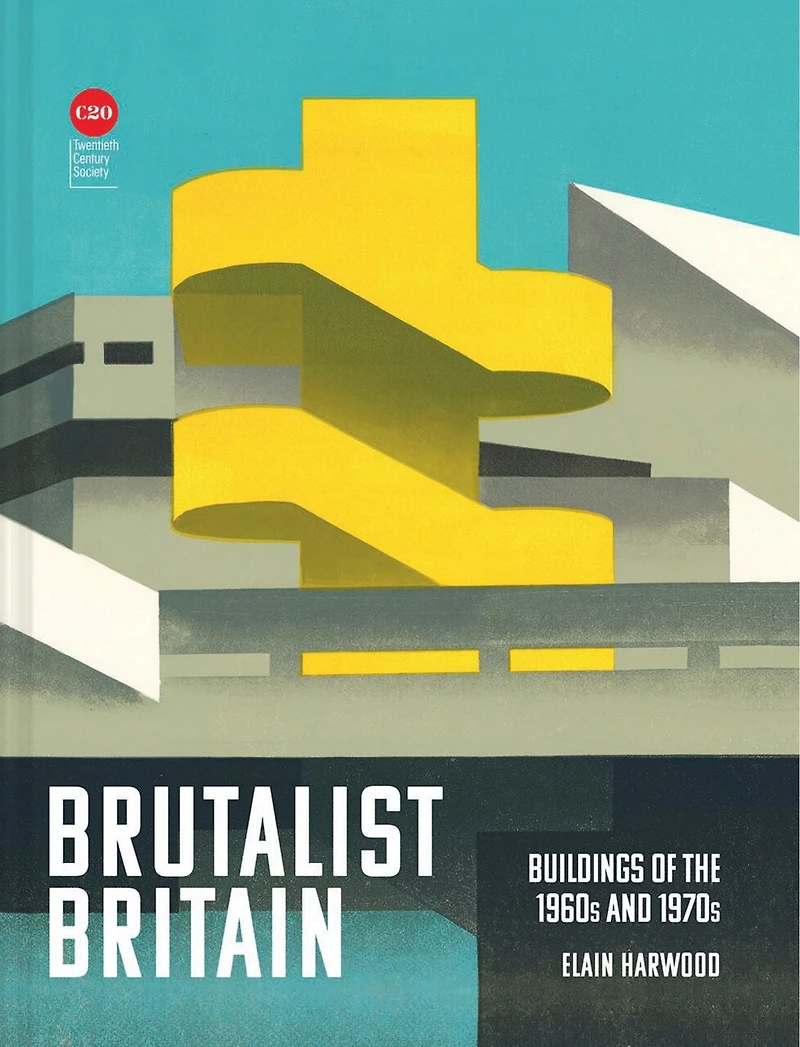
Brutalist Britain: Buildings of the 1960s and 1970s in Grande Prairie, AB
Current price: $53.95
Coles
Brutalist Britain: Buildings of the 1960s and 1970s in Grande Prairie, AB
Current price: $53.95
Loading Inventory...
Size: Hardcover
*Product information and pricing may vary - to confirm current pricing, availability, shipping, and return information please contact Coles. In the event of a pricing discrepancy, the retailer's price will apply.
An authoritative overview of an increasingly popular period of British architecture from a leading architectural historian.
Brutalist architecture is more popular now than ever. This beautifully photographed book looks at Britain’s finest brutalist buildings from the 1950s to the 1970s, featuring imposing and dramatic public buildings—like London’s National Theatre and Liverpool’s Metropolitan Cathedral—along with lesser-known buildings such as Arlington House on Margate’s seafront, as well as houses and flats, shops, markets, town centers, and more. This book provides a fascinating overview of a postwar urban landscape, while an introduction places British brutalism within the context of global events and contemporary world architecture.
An authoritative overview of an increasingly popular period of British architecture from a leading architectural historian.
Brutalist architecture is more popular now than ever. This beautifully photographed book looks at Britain’s finest brutalist buildings from the 1950s to the 1970s, featuring imposing and dramatic public buildings—like London’s National Theatre and Liverpool’s Metropolitan Cathedral—along with lesser-known buildings such as Arlington House on Margate’s seafront, as well as houses and flats, shops, markets, town centers, and more. This book provides a fascinating overview of a postwar urban landscape, while an introduction places British brutalism within the context of global events and contemporary world architecture.
You May Also Like











Find at Prairie Mall in Grande Prairie, AB
Visit at Prairie Mall in Grande Prairie, AB