


Gifting Made Simple
Give the Gift of ChoiceClick below to purchase a Prairie Mall eGift Card that can be used at participating retailers at Prairie Mall.Buy Gift CardHome
British civic society at the end of empire: Decolonisation, globalisation, and international responsibility
Coles
Loading Inventory...
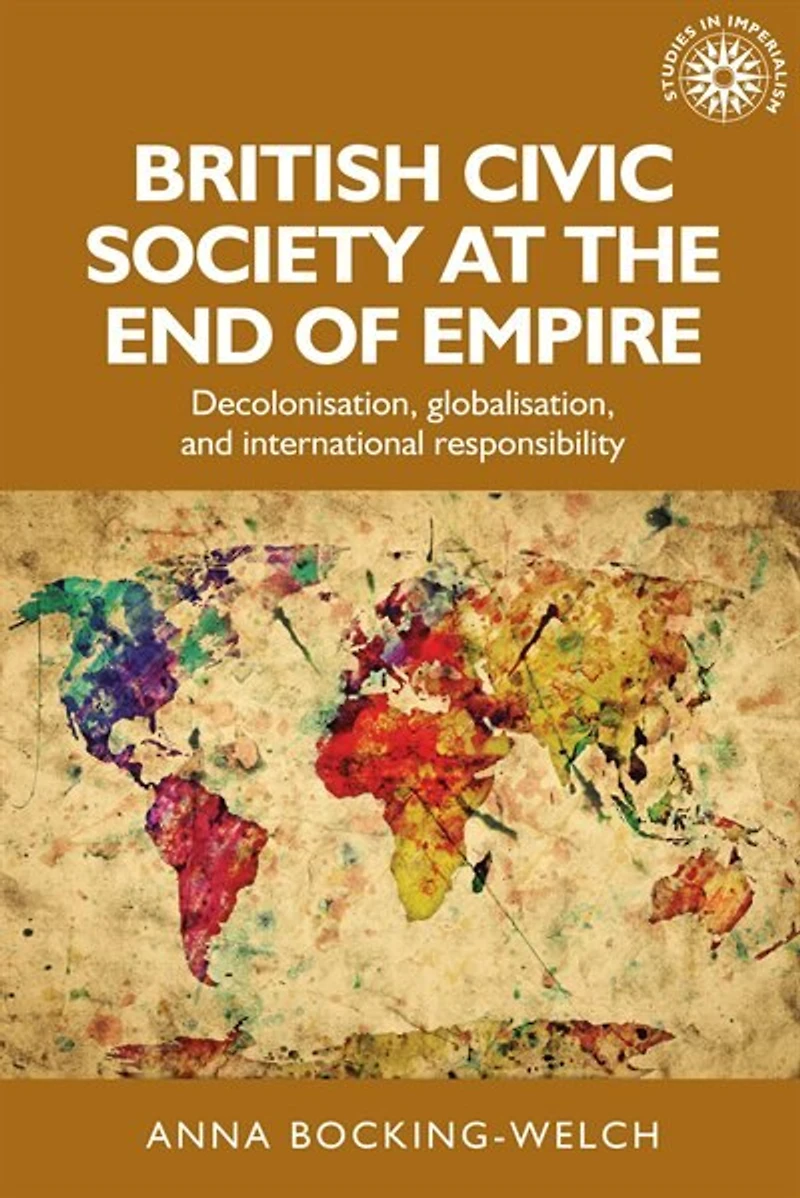
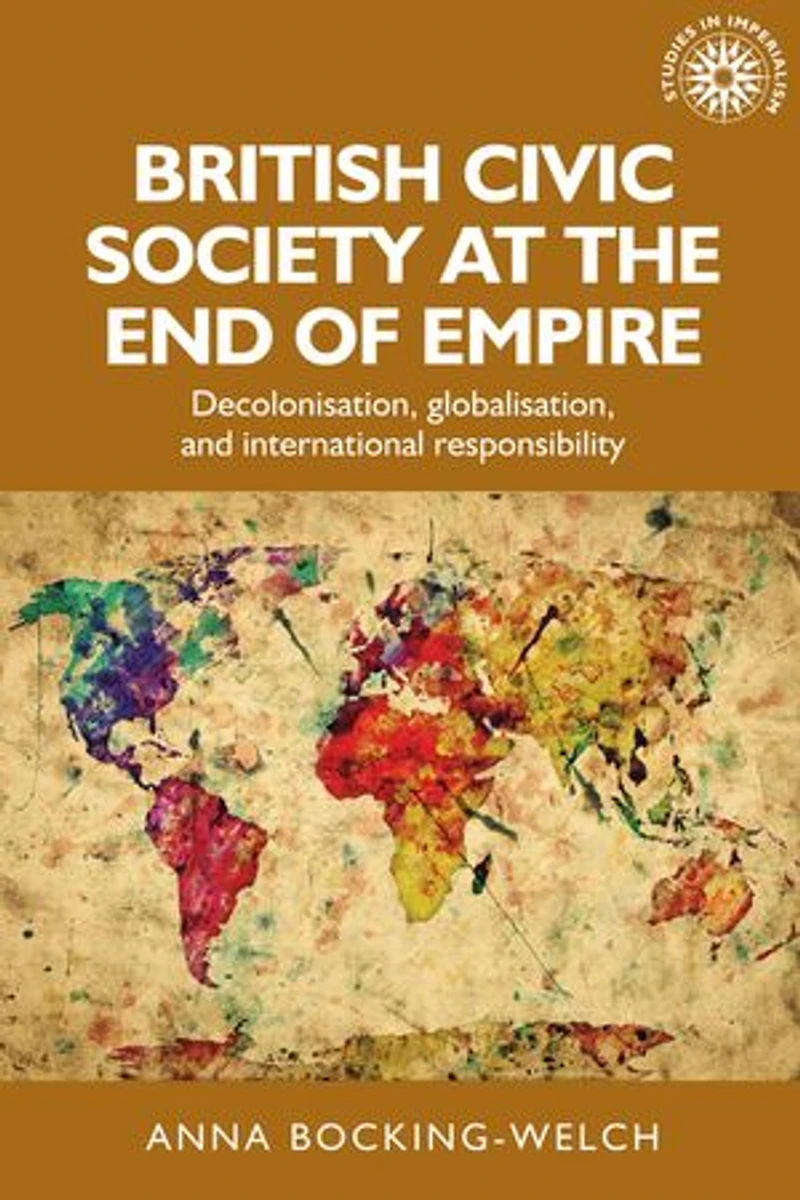
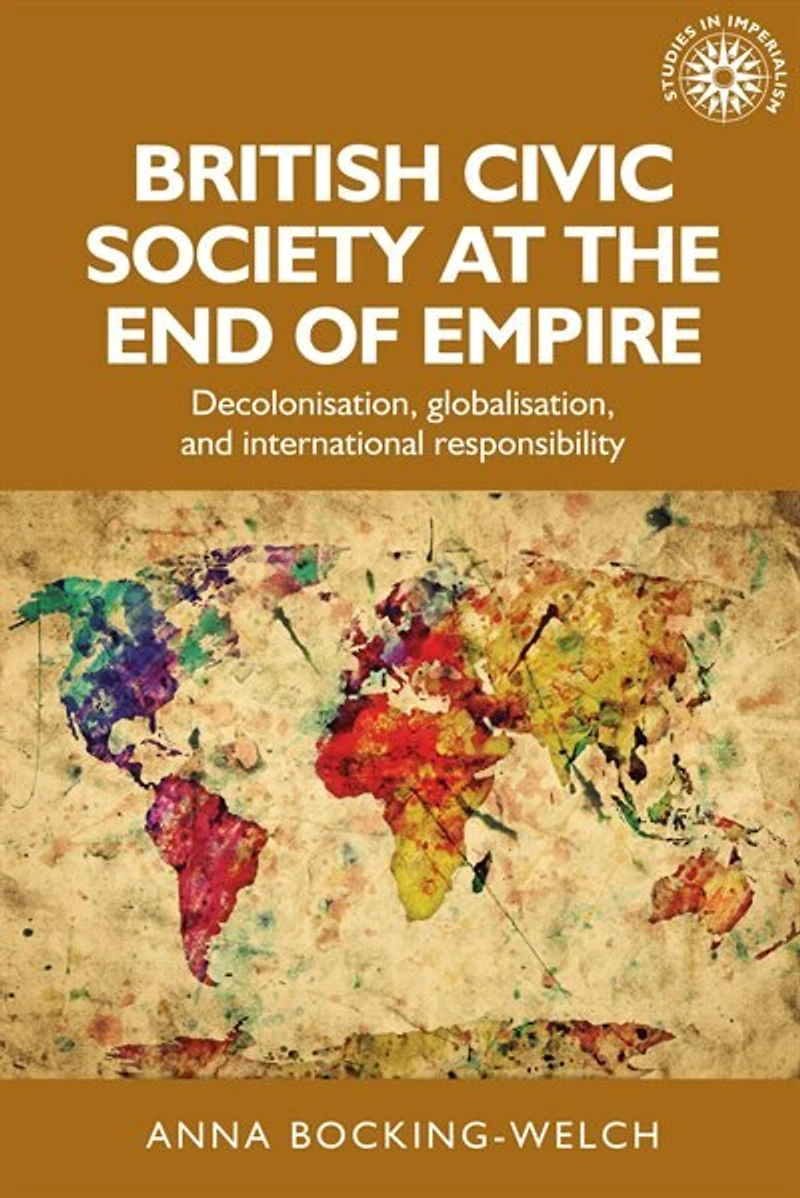
British civic society at the end of empire: Decolonisation, globalisation, and international responsibility in Grande Prairie, AB
Current price: $170.00
Coles
British civic society at the end of empire: Decolonisation, globalisation, and international responsibility in Grande Prairie, AB
Current price: $170.00
Loading Inventory...
Size: Hardcover
*Product information and pricing may vary - to confirm current pricing, availability, shipping, and return information please contact Coles. In the event of a pricing discrepancy, the retailer's price will apply.
This book is about the impact of decolonisation on British civic society in the 1960s. It shows how participants in middle class associational life developed optimistic visions for a post-imperial global role. Through the pursuit of international friendship, through educational efforts to know and understand the world, and through the provision of assistance to those in need, the British public imagined themselves as important actors on a global stage. As this book shows, the imperial past remained an important repository of skill, experience, and expertise in the 1960s, one that was called upon by a wide range of associations to justify their developing practices of international engagement. This book will be useful to scholars of modern British history, particularly those with interests in empire, internationalism, and civil society. The book is also designed to be accessible to undergraduates studying these areas.
This book is about the impact of decolonisation on British civic society in the 1960s. It shows how participants in middle class associational life developed optimistic visions for a post-imperial global role. Through the pursuit of international friendship, through educational efforts to know and understand the world, and through the provision of assistance to those in need, the British public imagined themselves as important actors on a global stage. As this book shows, the imperial past remained an important repository of skill, experience, and expertise in the 1960s, one that was called upon by a wide range of associations to justify their developing practices of international engagement. This book will be useful to scholars of modern British history, particularly those with interests in empire, internationalism, and civil society. The book is also designed to be accessible to undergraduates studying these areas.
You May Also Like
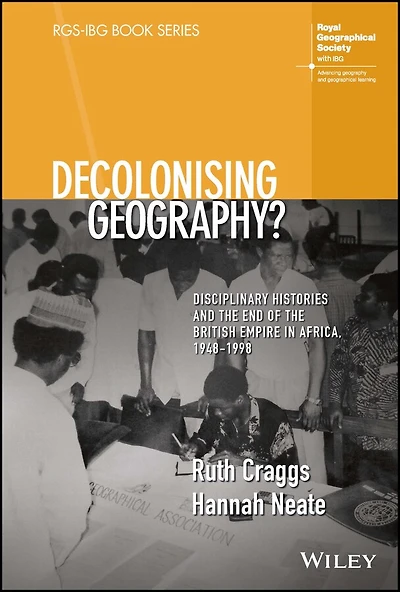









Find at Prairie Mall in Grande Prairie, AB
Visit at Prairie Mall in Grande Prairie, AB