


Gifting Made Simple
Give the Gift of ChoiceClick below to purchase a Prairie Mall eGift Card that can be used at participating retailers at Prairie Mall.Buy Gift CardHome
Britain & Rome: Caesar to Claudius: The Exposure of a Renaissance Fraud
Coles
Loading Inventory...
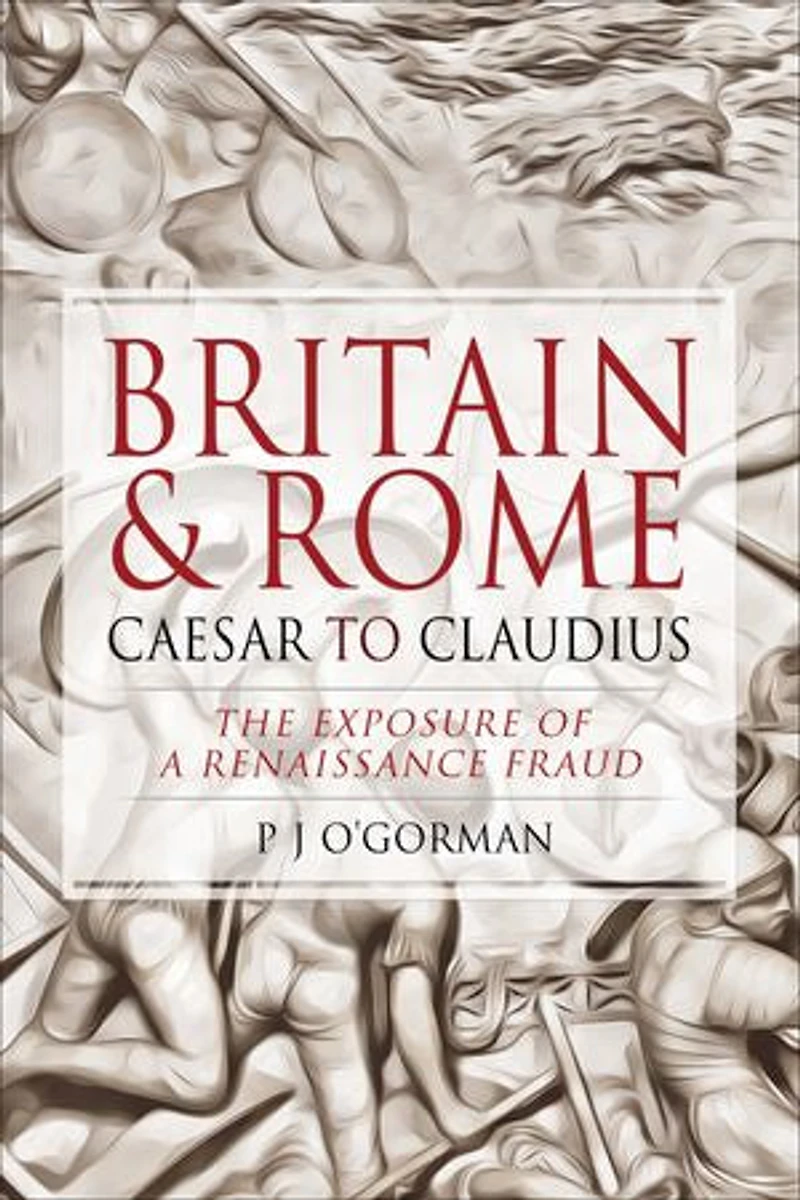
Britain & Rome: Caesar to Claudius: The Exposure of a Renaissance Fraud in Grande Prairie, AB
Current price: $17.59
Original price: $21.99
Coles
Britain & Rome: Caesar to Claudius: The Exposure of a Renaissance Fraud in Grande Prairie, AB
Current price: $17.59
Original price: $21.99
Loading Inventory...
Size: Kobo eBook
*Product information and pricing may vary - to confirm current pricing, availability, shipping, and return information please contact Coles. In the event of a pricing discrepancy, the retailer's price will apply.
This is a bold reassessment of one of the pivotal points in British history. PJ O'Gorman analyses the sources for the period from Julius Caesar's first forays into these islands to the invasion under the Emperor Claudius and the conclusions he reaches are nothing short of radical and call into question much of the accepted narrative of Roman invasion and conquest. The author starts by showing that Caesar's initial cross-Channel adventures were motivated not so much by seeking the glory of taming primitive savages but to gain control of an economic powerhouse. His treatment of the period leading up to the Claudian invasion and the invasion itself is even more shocking. Most significantly he argues convincingly that two of the most important Roman sources underpinning the conventional narrative are in fact Renaissance fakes and that their acceptance has distorted the interpretation of modern archaeological evidence. Meanwhile he reinstates a discounted British source. The result is a startlingly different version of Britain's early history.
This is a bold reassessment of one of the pivotal points in British history. PJ O'Gorman analyses the sources for the period from Julius Caesar's first forays into these islands to the invasion under the Emperor Claudius and the conclusions he reaches are nothing short of radical and call into question much of the accepted narrative of Roman invasion and conquest. The author starts by showing that Caesar's initial cross-Channel adventures were motivated not so much by seeking the glory of taming primitive savages but to gain control of an economic powerhouse. His treatment of the period leading up to the Claudian invasion and the invasion itself is even more shocking. Most significantly he argues convincingly that two of the most important Roman sources underpinning the conventional narrative are in fact Renaissance fakes and that their acceptance has distorted the interpretation of modern archaeological evidence. Meanwhile he reinstates a discounted British source. The result is a startlingly different version of Britain's early history.
You May Also Like
















Find at Prairie Mall in Grande Prairie, AB
Visit at Prairie Mall in Grande Prairie, AB