


Gifting Made Simple
Give the Gift of ChoiceClick below to purchase a Prairie Mall eGift Card that can be used at participating retailers at Prairie Mall.Buy Gift CardHome
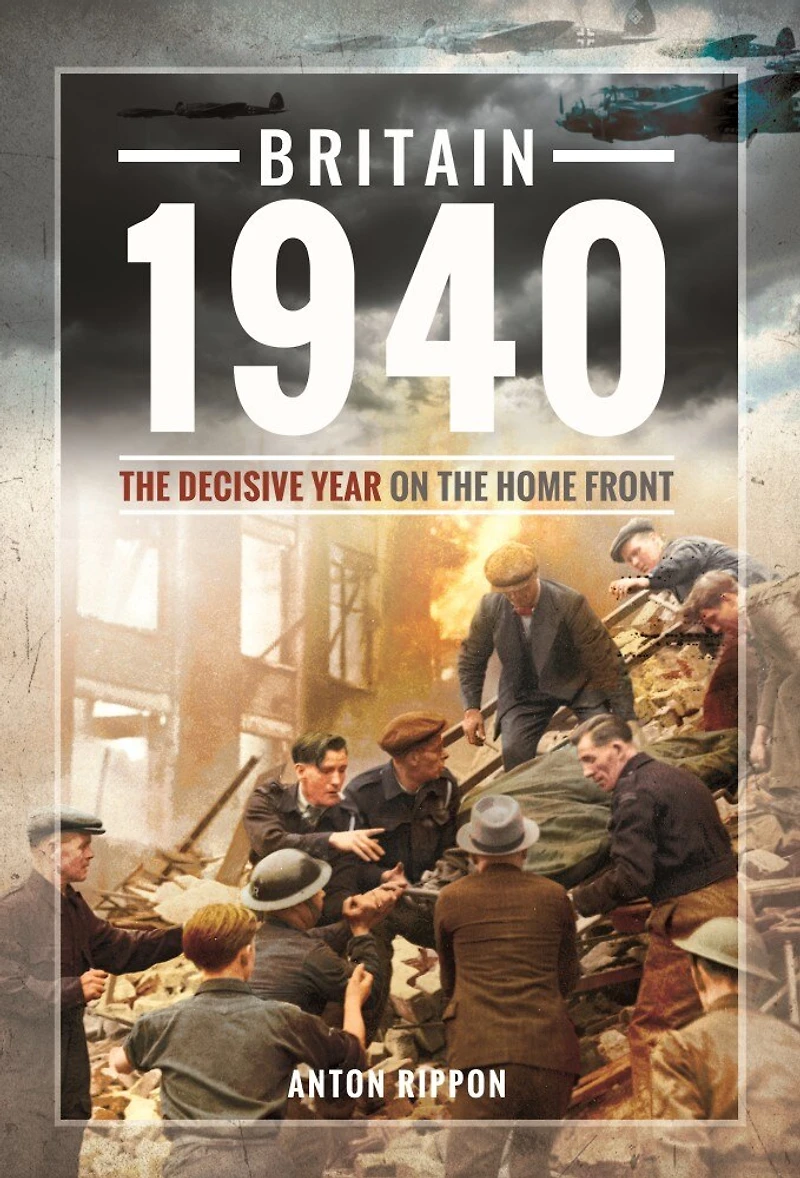
Britain 1940: The Decisive Year on the Home Front
Coles
Loading Inventory...
Britain 1940: The Decisive Year on the Home Front in Grande Prairie, AB
Current price: $43.95
Coles
Britain 1940: The Decisive Year on the Home Front in Grande Prairie, AB
Current price: $43.95
Loading Inventory...
Size: Paperback
*Product information and pricing may vary - to confirm current pricing, availability, shipping, and return information please contact Coles. In the event of a pricing discrepancy, the retailer's price will apply.
On New Year's Day 1940, the people of Britain looked back on the first four months of the Second World War with a sort of puzzled unease. Wartime life was nothing like what they had imagined. Unlike the First World War there was no fighting on the Western Front. Indeed, there was no Western Front. There had been no major air attacks. Four days into the war German bombers had approached the East Coast but no bombs were dropped. Everyone carried their gasmask but there was no poison gas. Petrol was the only commodity rationed. There was no noticeable shortage of food, which was as available now as it had been before Hitler invaded Poland. Young men called up to join the forces were largely idle. They certainly were not fighting the Germans. In January 1940, life in wartime Britain was simply an inconvenient version of life in peacetime. Even the hitherto strictly enforced blackout regulations were relaxed when it became obvious that, because of them, people were being killed in road accidents. On New Year's Eve 1940, Britain was deep in the throes of war. In September the Germans had launched what was to be an eight-month bombing campaign that targeted every one of Britain's major cities. By the end of 1940, German air raids had killed 15,000 British civilians. The so-called Phoney War had ended in May, when Hitler attacked the Low Countries. After Dunkirk, with the Luftwaffe poised just across the English Channel, and with the very real threat of invasion, the Second World War was now anything but phoney.
On New Year's Day 1940, the people of Britain looked back on the first four months of the Second World War with a sort of puzzled unease. Wartime life was nothing like what they had imagined. Unlike the First World War there was no fighting on the Western Front. Indeed, there was no Western Front. There had been no major air attacks. Four days into the war German bombers had approached the East Coast but no bombs were dropped. Everyone carried their gasmask but there was no poison gas. Petrol was the only commodity rationed. There was no noticeable shortage of food, which was as available now as it had been before Hitler invaded Poland. Young men called up to join the forces were largely idle. They certainly were not fighting the Germans. In January 1940, life in wartime Britain was simply an inconvenient version of life in peacetime. Even the hitherto strictly enforced blackout regulations were relaxed when it became obvious that, because of them, people were being killed in road accidents. On New Year's Eve 1940, Britain was deep in the throes of war. In September the Germans had launched what was to be an eight-month bombing campaign that targeted every one of Britain's major cities. By the end of 1940, German air raids had killed 15,000 British civilians. The so-called Phoney War had ended in May, when Hitler attacked the Low Countries. After Dunkirk, with the Luftwaffe poised just across the English Channel, and with the very real threat of invasion, the Second World War was now anything but phoney.
You May Also Like











Find at Prairie Mall in Grande Prairie, AB
Visit at Prairie Mall in Grande Prairie, AB