


Gifting Made Simple
Give the Gift of ChoiceClick below to purchase a Prairie Mall eGift Card that can be used at participating retailers at Prairie Mall.Buy Gift CardHome
Brill’s Companion to Greek and Latin Epyllion and Its Reception
Coles
Loading Inventory...
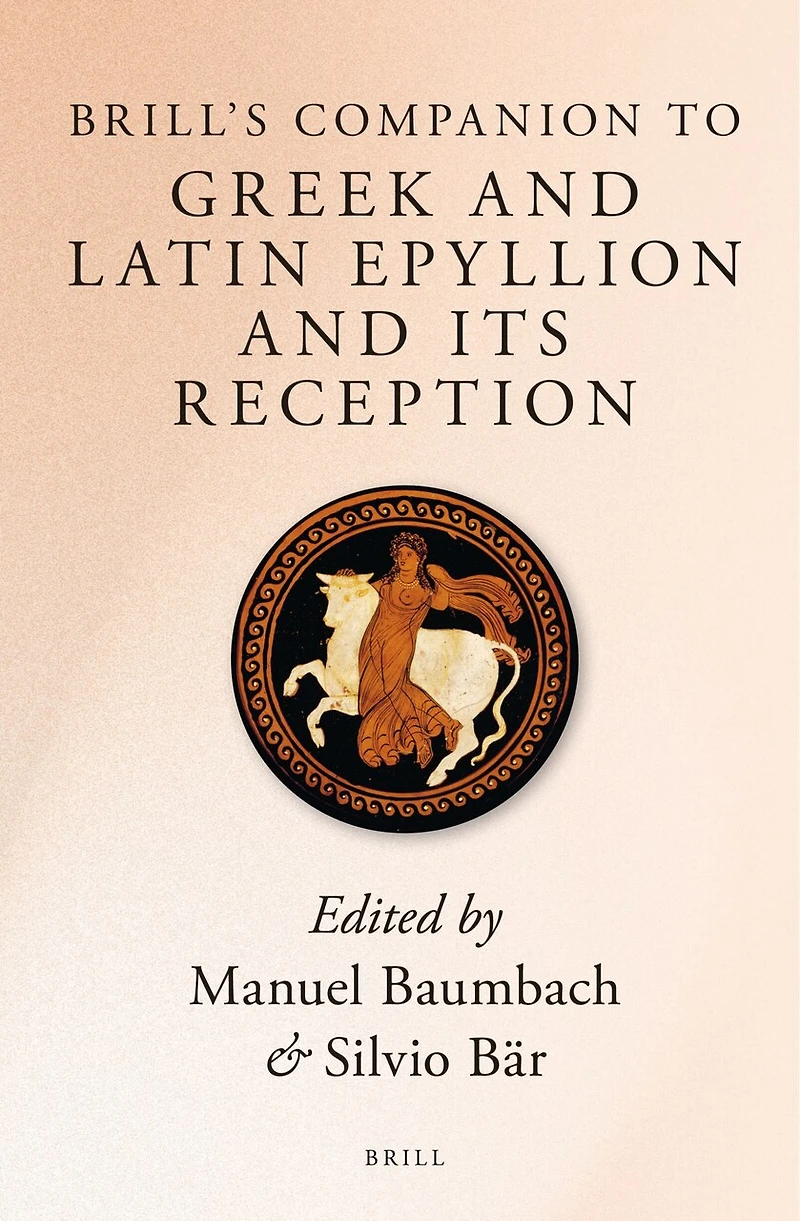
Brill’s Companion to Greek and Latin Epyllion and Its Reception in Grande Prairie, AB
Current price: $410.99
Coles
Brill’s Companion to Greek and Latin Epyllion and Its Reception in Grande Prairie, AB
Current price: $410.99
Loading Inventory...
Size: Hardcover
*Product information and pricing may vary - to confirm current pricing, availability, shipping, and return information please contact Coles. In the event of a pricing discrepancy, the retailer's price will apply.
In classical scholarship of the past two centuries, the term “epyllion” was used to label short hexametric texts mainly ascribable to the Hellenistic period (Greek) or the Neoterics (Latin). Apart from their brevity, characteristics such as a predilection for episodic narration or female characters were regarded as typically “epyllic” features. However, in Antiquity itself, the texts we call “epyllia” were not considered a coherent genre, which seems to be an innovation of the late 18th century. The contributions in this book not only re-examine some important (and some lesser known) Greek and Latin primary texts, but also critically reconsider the theoretical discourses attached to it, and also sketch their literary and scholarly reception in the Byzantine and Middle Ages, the Renaissance, and the Modern Age.
In classical scholarship of the past two centuries, the term “epyllion” was used to label short hexametric texts mainly ascribable to the Hellenistic period (Greek) or the Neoterics (Latin). Apart from their brevity, characteristics such as a predilection for episodic narration or female characters were regarded as typically “epyllic” features. However, in Antiquity itself, the texts we call “epyllia” were not considered a coherent genre, which seems to be an innovation of the late 18th century. The contributions in this book not only re-examine some important (and some lesser known) Greek and Latin primary texts, but also critically reconsider the theoretical discourses attached to it, and also sketch their literary and scholarly reception in the Byzantine and Middle Ages, the Renaissance, and the Modern Age.
You May Also Like










Find at Prairie Mall in Grande Prairie, AB
Visit at Prairie Mall in Grande Prairie, AB