


Gifting Made Simple
Give the Gift of ChoiceClick below to purchase a Prairie Mall eGift Card that can be used at participating retailers at Prairie Mall.Buy Gift CardHome
Bridget's Hanging
Coles
Loading Inventory...
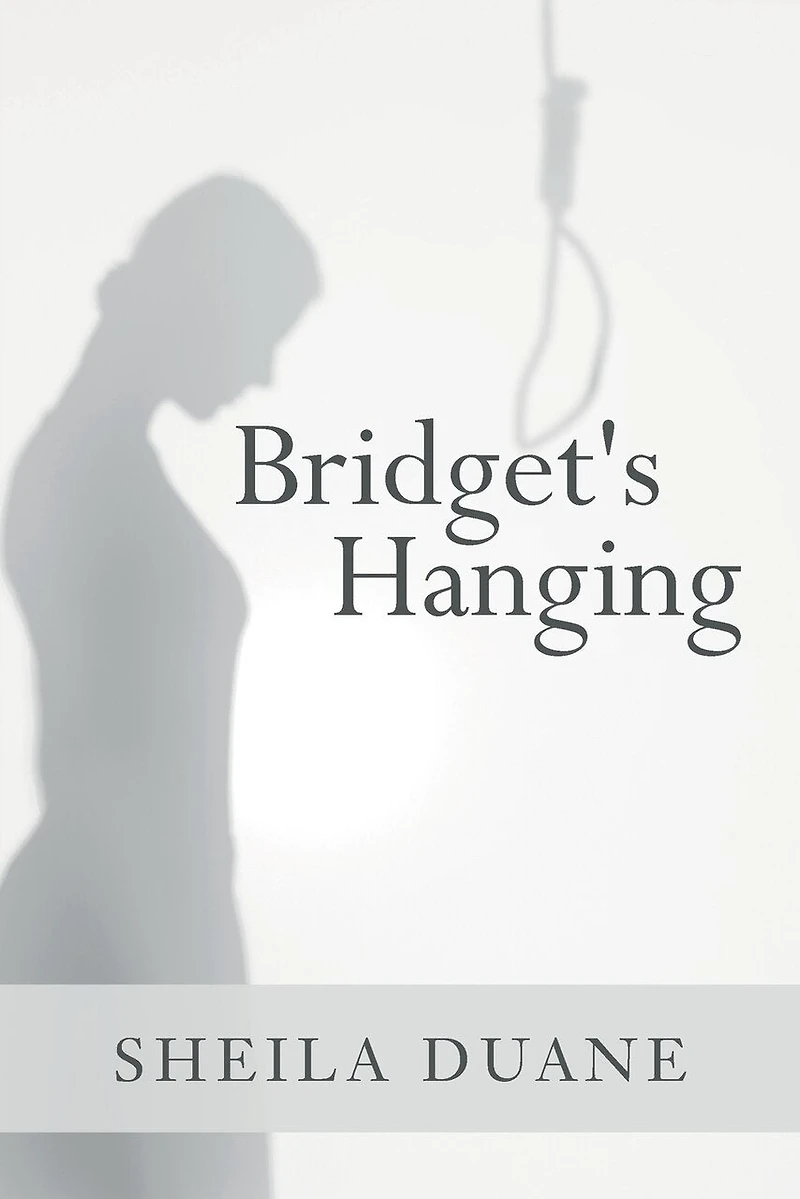
Bridget's Hanging in Grande Prairie, AB
Current price: $12.95
Coles
Bridget's Hanging in Grande Prairie, AB
Current price: $12.95
Loading Inventory...
Size: Paperback
*Product information and pricing may vary - to confirm current pricing, availability, shipping, and return information please contact Coles. In the event of a pricing discrepancy, the retailer's price will apply.
On August 30, 1867, on a New Jersey gallows, convicted murderer Bridget Durgan was hanged before a crowd of over five hundred men, women, and children who behaved as though they were attending a carnival. She remained suspended until the cheering crowd was satisfied that justice had been done. But had it? In Bridget's Hanging , Sheila Duane looks carefully at the evidence and concludes that justice was not done: Bridget was tried, condemned, and executed for a murder she didn't commit. Instead, she was guilty of being poor, illiterate, Irish Catholic, an immigrant, and not beautiful, all of which were loathed in nineteenth-century America. Tried by a media not unlike today's and condemned by mob mentality, Bridget and her sensationalized story eclipsed the murder victim herself-Mary Coriell, for whom Bridget worked as a domestic-and a more likely suspect. While journalists at the time painted a picture of Bridget as monstrous, Duane looks with fresh eyes at a character who was intellectually childlike, who practiced a foreign religion, believed in unfamiliar superstitions, and who spoke with a brogue that was difficult for Americans to understand. Both a well-documented study and an absorbing whodunit, Bridget's Hanging dissects the case against Bridget Durgan and finds it wholly unconvincing. In doing so, Duane manages to find a little justice for Bridget at last.
On August 30, 1867, on a New Jersey gallows, convicted murderer Bridget Durgan was hanged before a crowd of over five hundred men, women, and children who behaved as though they were attending a carnival. She remained suspended until the cheering crowd was satisfied that justice had been done. But had it? In Bridget's Hanging , Sheila Duane looks carefully at the evidence and concludes that justice was not done: Bridget was tried, condemned, and executed for a murder she didn't commit. Instead, she was guilty of being poor, illiterate, Irish Catholic, an immigrant, and not beautiful, all of which were loathed in nineteenth-century America. Tried by a media not unlike today's and condemned by mob mentality, Bridget and her sensationalized story eclipsed the murder victim herself-Mary Coriell, for whom Bridget worked as a domestic-and a more likely suspect. While journalists at the time painted a picture of Bridget as monstrous, Duane looks with fresh eyes at a character who was intellectually childlike, who practiced a foreign religion, believed in unfamiliar superstitions, and who spoke with a brogue that was difficult for Americans to understand. Both a well-documented study and an absorbing whodunit, Bridget's Hanging dissects the case against Bridget Durgan and finds it wholly unconvincing. In doing so, Duane manages to find a little justice for Bridget at last.
You May Also Like











Find at Prairie Mall in Grande Prairie, AB
Visit at Prairie Mall in Grande Prairie, AB