


Gifting Made Simple
Give the Gift of ChoiceClick below to purchase a Prairie Mall eGift Card that can be used at participating retailers at Prairie Mall.Buy Gift CardHome
Brazil's Steel City: Developmentalism, Strategic Power, and Industrial Relations Volta Redonda, 1941-1964
Coles
Loading Inventory...
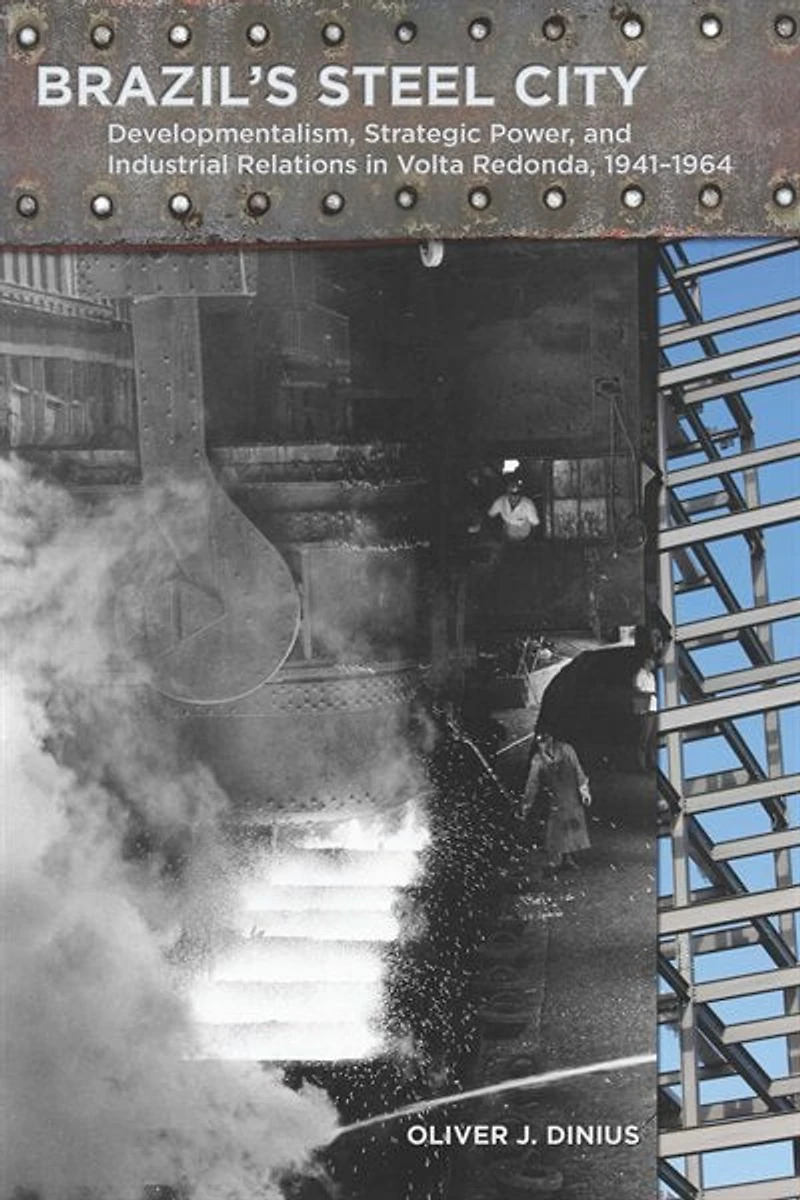
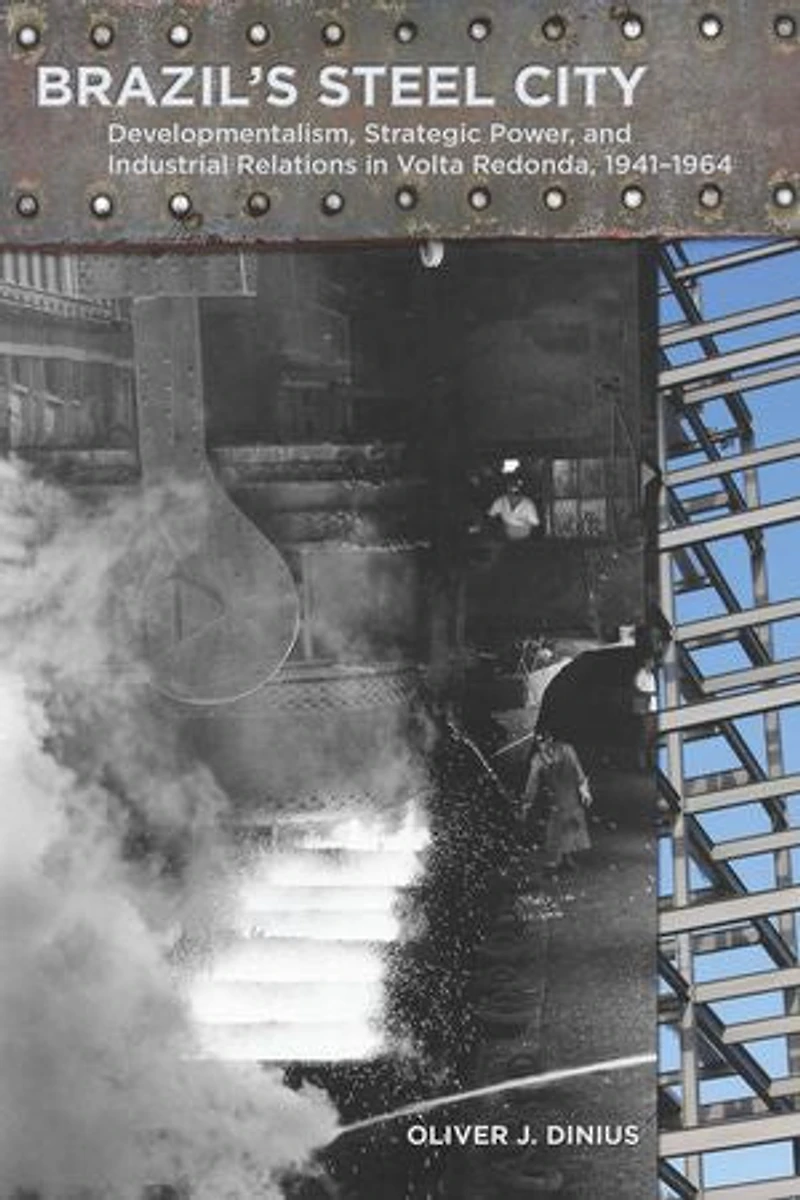
Brazil's Steel City: Developmentalism, Strategic Power, and Industrial Relations Volta Redonda, 1941-1964 in Grande Prairie, AB
Current price: $110.99
Coles
Brazil's Steel City: Developmentalism, Strategic Power, and Industrial Relations Volta Redonda, 1941-1964 in Grande Prairie, AB
Current price: $110.99
Loading Inventory...
Size: Hardcover
*Product information and pricing may vary - to confirm current pricing, availability, shipping, and return information please contact Coles. In the event of a pricing discrepancy, the retailer's price will apply.
Brazil's Steel City presents a social history of the National Steel Company (CSN), Brazil's foremost state-owned company and largest industrial enterprise in the mid-twentieth century. It focuses on the role the steelworkers played in Brazil's social and economic development under the country's import substitution policies from the early 1940s to the 1964 military coup.
Counter to prevalent interpretations of industrial labor in Latin America, where workers figure above all as victims of capitalist exploitation, Dinius shows that CSN workers held strategic power and used it to reshape the company's labor regime, extracting impressive wage gains and benefits. Dinius argues that these workers, and their peers in similarly strategic industries, had the power to undermine the state capitalist development model prevalent in the large economies of postwar Latin America.
Brazil's Steel City presents a social history of the National Steel Company (CSN), Brazil's foremost state-owned company and largest industrial enterprise in the mid-twentieth century. It focuses on the role the steelworkers played in Brazil's social and economic development under the country's import substitution policies from the early 1940s to the 1964 military coup.
Counter to prevalent interpretations of industrial labor in Latin America, where workers figure above all as victims of capitalist exploitation, Dinius shows that CSN workers held strategic power and used it to reshape the company's labor regime, extracting impressive wage gains and benefits. Dinius argues that these workers, and their peers in similarly strategic industries, had the power to undermine the state capitalist development model prevalent in the large economies of postwar Latin America.
You May Also Like

















Find at Prairie Mall in Grande Prairie, AB
Visit at Prairie Mall in Grande Prairie, AB