


Gifting Made Simple
Give the Gift of ChoiceClick below to purchase a Prairie Mall eGift Card that can be used at participating retailers at Prairie Mall.Buy Gift CardHome
Brazil’s International Ethanol Strategy: Lula’s Quest for a Global Biofuels Market
Coles
Loading Inventory...
Brazil’s International Ethanol Strategy: Lula’s Quest for a Global Biofuels Market in Grande Prairie, AB
Current price: $162.99
Coles
Brazil’s International Ethanol Strategy: Lula’s Quest for a Global Biofuels Market in Grande Prairie, AB
Current price: $162.99
Loading Inventory...
Size: Hardcover
*Product information and pricing may vary - to confirm current pricing, availability, shipping, and return information please contact Coles. In the event of a pricing discrepancy, the retailer's price will apply.
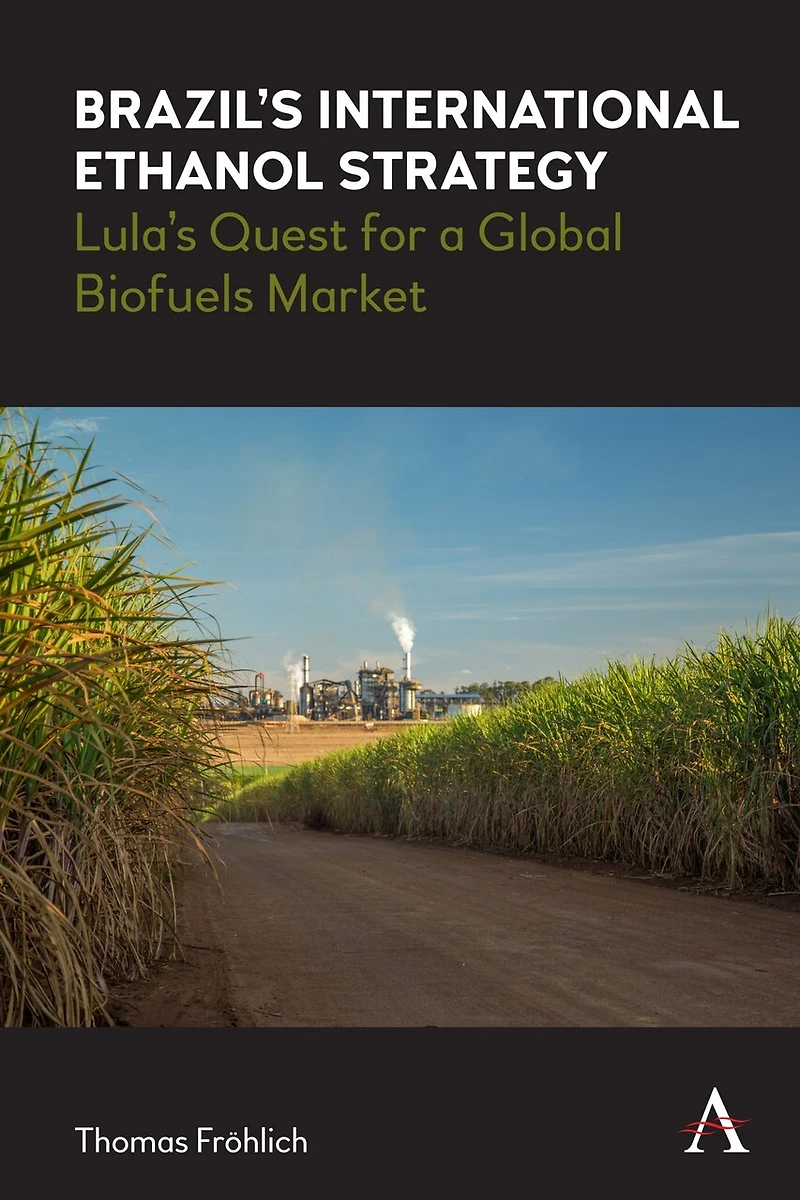
Brazil, the world’s largest sugar producer, supplies 16 per cent of its energy consumption and approximately three quarters of its transport fuels with sugarcane-based ethanol. From ca. 2003 until 2014, the country under the Workers’ Party government aimed at creating a global market for ethanol. The time seemed right to steer foreign policy towards this goal due to a benevolent structural environment with global discussions about energy security, climate change, and South-South cooperation.
Within a neoclassical realist framework, this study examines why Brazil did not fully succeed in its ethanol diplomacy to create a global market for ethanol. The analysis covers three analytical levels: the bilateral with Brazil in power deficit, the bilateral with Brazil in power surplus, and the multilateral, represented in three empirical chapters, Brazil-US, Brazil-Mozambique, and Brazil’s multilateral ethanol diplomacy, respectively. Each chapter finishes with a set of recommendations for political consideration.
This study also demonstrates how the theoretical approach of neoclassical realism can combine foreign policy output with international politics outcome research and is useful to analyse policy outside the hard security realm. It offers a basis for further research towards an understanding of Brazil’s overall foreign policy and the foreign policies of other emerging powers.
Brazil, the world’s largest sugar producer, supplies 16 per cent of its energy consumption and approximately three quarters of its transport fuels with sugarcane-based ethanol. From ca. 2003 until 2014, the country under the Workers’ Party government aimed at creating a global market for ethanol. The time seemed right to steer foreign policy towards this goal due to a benevolent structural environment with global discussions about energy security, climate change, and South-South cooperation.
Within a neoclassical realist framework, this study examines why Brazil did not fully succeed in its ethanol diplomacy to create a global market for ethanol. The analysis covers three analytical levels: the bilateral with Brazil in power deficit, the bilateral with Brazil in power surplus, and the multilateral, represented in three empirical chapters, Brazil-US, Brazil-Mozambique, and Brazil’s multilateral ethanol diplomacy, respectively. Each chapter finishes with a set of recommendations for political consideration.
This study also demonstrates how the theoretical approach of neoclassical realism can combine foreign policy output with international politics outcome research and is useful to analyse policy outside the hard security realm. It offers a basis for further research towards an understanding of Brazil’s overall foreign policy and the foreign policies of other emerging powers.
You May Also Like










Find at Prairie Mall in Grande Prairie, AB
Visit at Prairie Mall in Grande Prairie, AB