


Gifting Made Simple
Give the Gift of ChoiceClick below to purchase a Prairie Mall eGift Card that can be used at participating retailers at Prairie Mall.Buy Gift CardHome
Brazil and the Struggle for Rubber: A Study Environmental History
Coles
Loading Inventory...
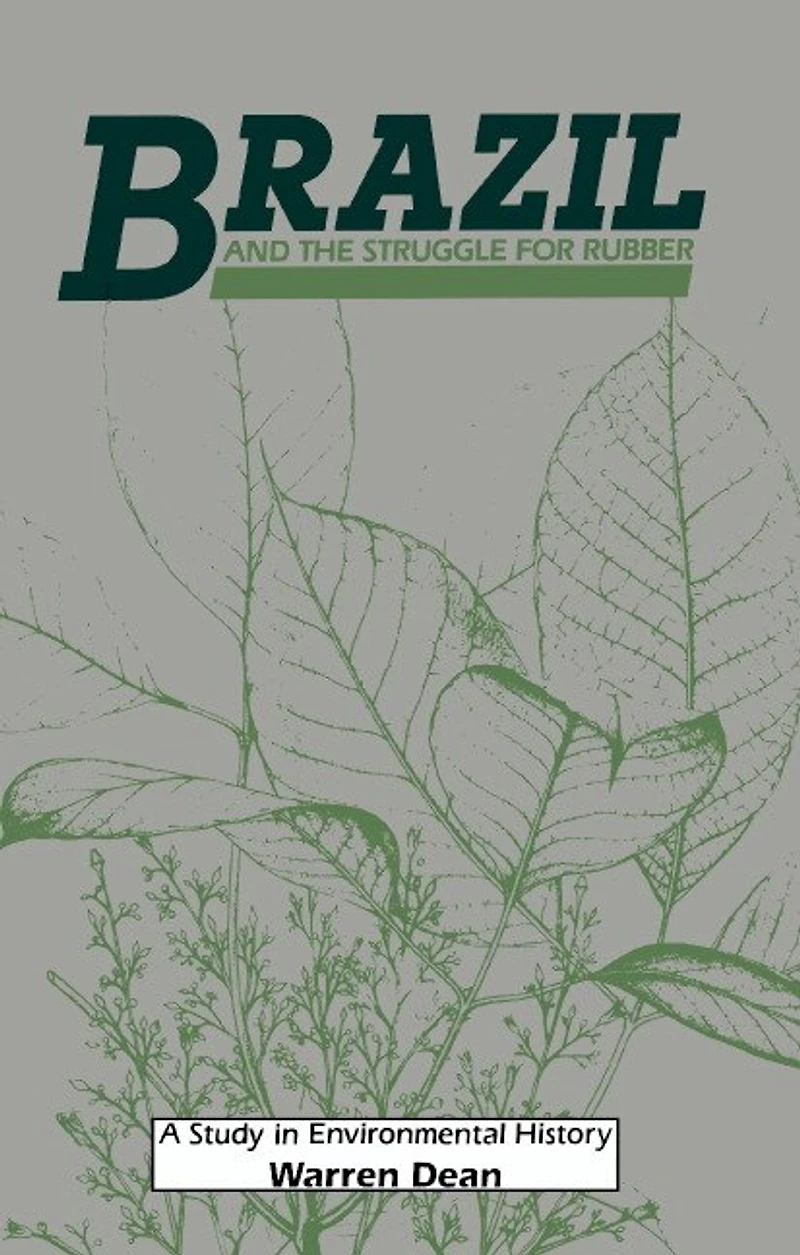
Brazil and the Struggle for Rubber: A Study Environmental History in Grande Prairie, AB
Current price: $152.95
Coles
Brazil and the Struggle for Rubber: A Study Environmental History in Grande Prairie, AB
Current price: $152.95
Loading Inventory...
Size: Hardcover
*Product information and pricing may vary - to confirm current pricing, availability, shipping, and return information please contact Coles. In the event of a pricing discrepancy, the retailer's price will apply.
Brazil once enjoyed a near monopoly in rubber when that commodity was gathered in the wild. By 1913, however, cultivated rubber from Southeast Asia swept the Brazilian gathered product from the market. In this innovative study, Warren Dean demonstrates that environmental factors have played a key role in the many failed attempts to once again produce a significant rubber crop in Brazil. Dean traces the numerous attempts to plant rubber in Brazil, including the ill-fated Ford estates, and others established by the major multinational tire companies. He also analyzes the struggles of the Brazilian government to foster rubber development, in the hope of obtaining a domestic source of supply for national industries that are now dependent on imports from Southeast Asia.
Brazil once enjoyed a near monopoly in rubber when that commodity was gathered in the wild. By 1913, however, cultivated rubber from Southeast Asia swept the Brazilian gathered product from the market. In this innovative study, Warren Dean demonstrates that environmental factors have played a key role in the many failed attempts to once again produce a significant rubber crop in Brazil. Dean traces the numerous attempts to plant rubber in Brazil, including the ill-fated Ford estates, and others established by the major multinational tire companies. He also analyzes the struggles of the Brazilian government to foster rubber development, in the hope of obtaining a domestic source of supply for national industries that are now dependent on imports from Southeast Asia.
You May Also Like










Find at Prairie Mall in Grande Prairie, AB
Visit at Prairie Mall in Grande Prairie, AB