


Gifting Made Simple
Give the Gift of ChoiceClick below to purchase a Prairie Mall eGift Card that can be used at participating retailers at Prairie Mall.Buy Gift CardHome
Brand and Myth
Coles
Loading Inventory...

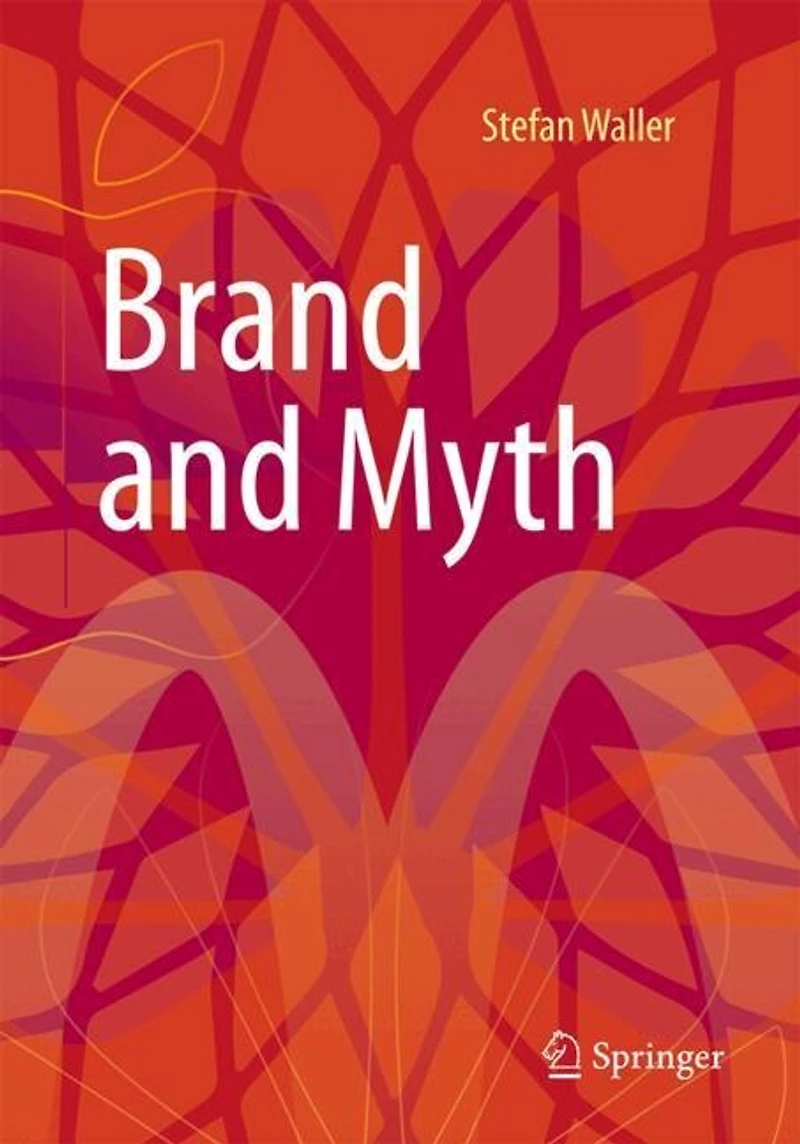
Brand and Myth in Grande Prairie, AB
Current price: $42.59
Original price: $53.20
Coles
Brand and Myth in Grande Prairie, AB
Current price: $42.59
Original price: $53.20
Loading Inventory...
Size: Kobo eBook
*Product information and pricing may vary - to confirm current pricing, availability, shipping, and return information please contact Coles. In the event of a pricing discrepancy, the retailer's price will apply.
Brand and Myth A Cultural-Philosophical Consideration Brands reflect the desires of the modern individual. In Nike, it's the hope of achieving success by simply doing it; in a Mercedes, it's the pursuit of status; and in a MasterCard, it encapsulates the longing for those moments that cannot be bought with money (but for which you still need money). The list can go on for a long time. Despite the fact that these brand messages are understood across various cultures, they have played a secondary role in cultural-philosophical debates. To professional thinkers, brands appear, at best, as banal and, at worst, as instruments in a malign illusionary context. They are seen as expressions of capitalism, something to be viewed critically, and thus rejected. From a more neutral standpoint, the engagement with brands is understood as a subject of business administration, marketing, and design, and therefore considered outside of one's own area of expertise.
Brand and Myth A Cultural-Philosophical Consideration Brands reflect the desires of the modern individual. In Nike, it's the hope of achieving success by simply doing it; in a Mercedes, it's the pursuit of status; and in a MasterCard, it encapsulates the longing for those moments that cannot be bought with money (but for which you still need money). The list can go on for a long time. Despite the fact that these brand messages are understood across various cultures, they have played a secondary role in cultural-philosophical debates. To professional thinkers, brands appear, at best, as banal and, at worst, as instruments in a malign illusionary context. They are seen as expressions of capitalism, something to be viewed critically, and thus rejected. From a more neutral standpoint, the engagement with brands is understood as a subject of business administration, marketing, and design, and therefore considered outside of one's own area of expertise.
You May Also Like


















Find at Prairie Mall in Grande Prairie, AB
Visit at Prairie Mall in Grande Prairie, AB