


Gifting Made Simple
Give the Gift of ChoiceClick below to purchase a Prairie Mall eGift Card that can be used at participating retailers at Prairie Mall.Buy Gift CardHome
Body of Power: The Mars by Giambologna
Coles
Loading Inventory...
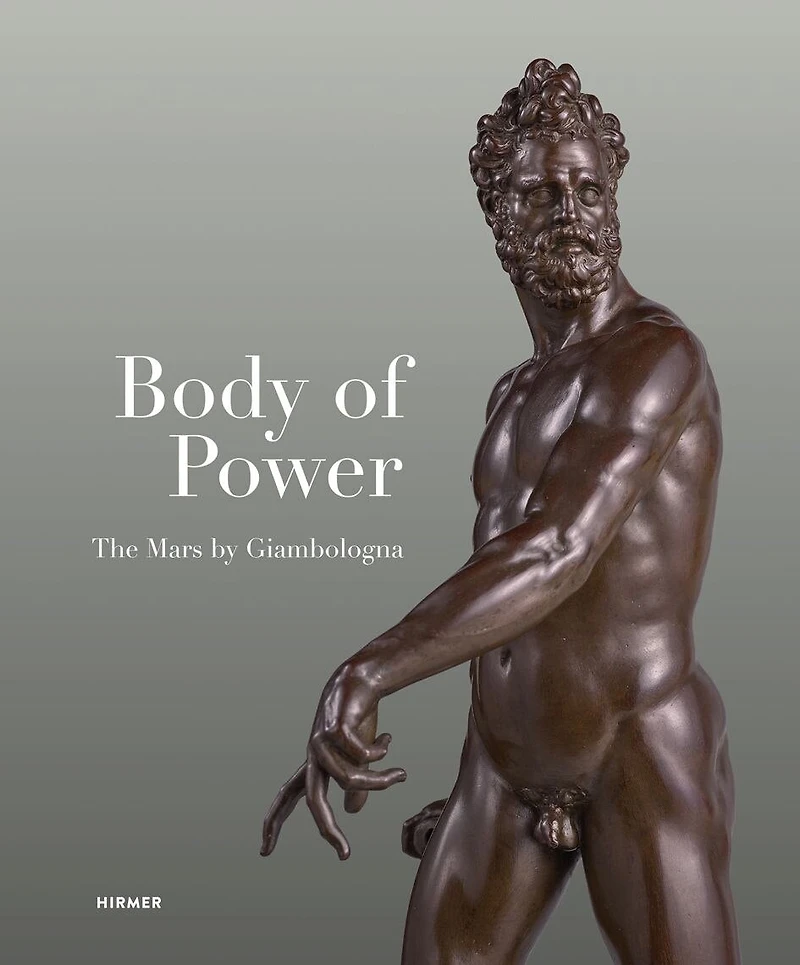
Body of Power: The Mars by Giambologna in Grande Prairie, AB
Current price: $78.00
Coles
Body of Power: The Mars by Giambologna in Grande Prairie, AB
Current price: $78.00
Loading Inventory...
Size: Hardcover
*Product information and pricing may vary - to confirm current pricing, availability, shipping, and return information please contact Coles. In the event of a pricing discrepancy, the retailer's price will apply.
Illuminates Giambologna’s oeuvre and artistic milieu, whose creations had a lasting influence on late Renaissance art.
One of the most extraordinary male nudes from the Mannerist period, Giambologna’s bronze statuette Mars (ca. 1574) is among the most impressive depictions of the god of war. It unites ancient ideals with artistic innovation. This symbol of sovereignty is masterfully realized in the powerful appearance of the statuette.
Symbolically, Giambologna’s Mars stands between war and peace, destruction and renewal. Why the artist depicted the god of war not in full armor, but rather nude, is one of the exciting questions the book explores. This volume also includes works by Antonio Susini, Giovanni Francesco Susini, Pietro Tacca, and Adrian de Fries.
Illuminates Giambologna’s oeuvre and artistic milieu, whose creations had a lasting influence on late Renaissance art.
One of the most extraordinary male nudes from the Mannerist period, Giambologna’s bronze statuette Mars (ca. 1574) is among the most impressive depictions of the god of war. It unites ancient ideals with artistic innovation. This symbol of sovereignty is masterfully realized in the powerful appearance of the statuette.
Symbolically, Giambologna’s Mars stands between war and peace, destruction and renewal. Why the artist depicted the god of war not in full armor, but rather nude, is one of the exciting questions the book explores. This volume also includes works by Antonio Susini, Giovanni Francesco Susini, Pietro Tacca, and Adrian de Fries.
You May Also Like










Find at Prairie Mall in Grande Prairie, AB
Visit at Prairie Mall in Grande Prairie, AB