


Gifting Made Simple
Give the Gift of ChoiceClick below to purchase a Prairie Mall eGift Card that can be used at participating retailers at Prairie Mall.Buy Gift CardHome
Black Hebrew Israelites
Coles
Loading Inventory...
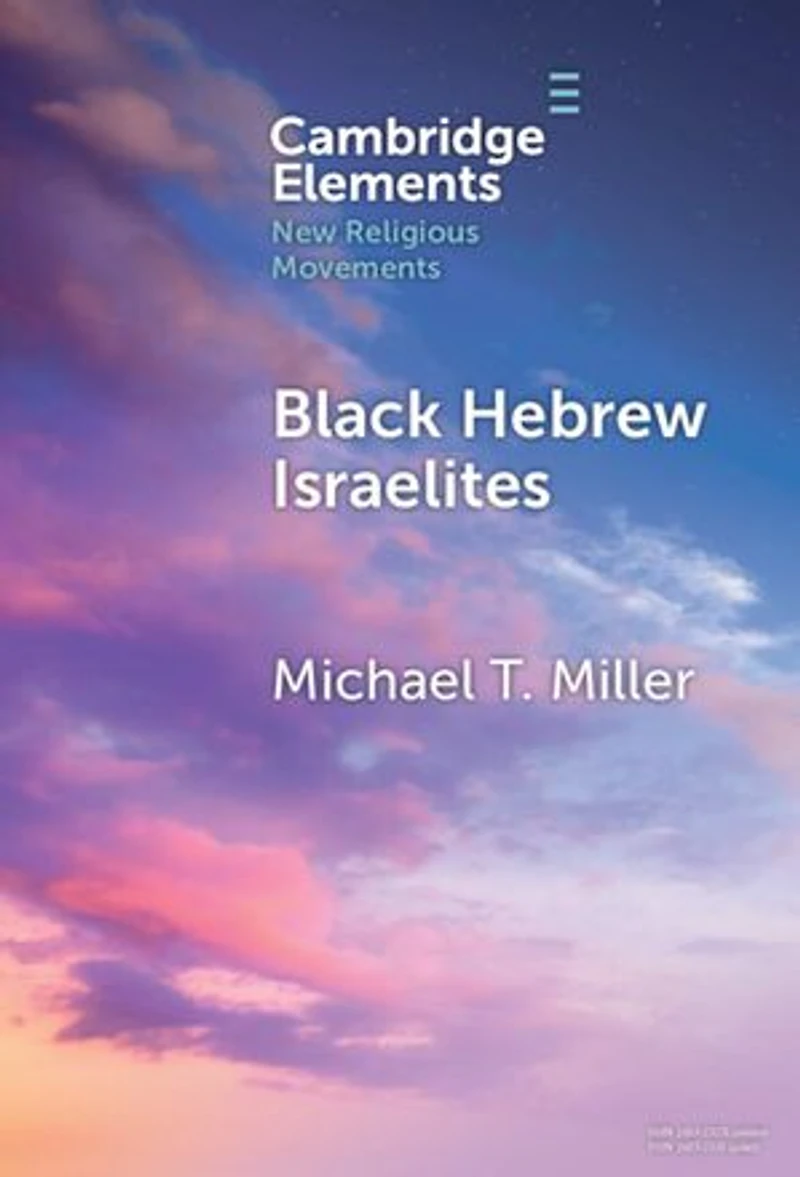
Black Hebrew Israelites in Grande Prairie, AB
Current price: $23.19
Original price: $28.95
Coles
Black Hebrew Israelites in Grande Prairie, AB
Current price: $23.19
Original price: $28.95
Loading Inventory...
Size: Kobo eBook
*Product information and pricing may vary - to confirm current pricing, availability, shipping, and return information please contact Coles. In the event of a pricing discrepancy, the retailer's price will apply.
The Black Hebrew Israelite movement claims that African Americans are descendants of the Ancient Israelites and has slowly become a significant force in African American religion. This Element provides a general overview of the BHI movement, its diverse history/ies, ideologies, and practices. The Element shows how different factions and trends have taken the forefront at different periods over its 140-year history, leading to the current situation where diverse iterations of the movement exist alongside each other, sharing some core concepts while differing widely. In particular, the questions of how and why BHI has become a potent and attractive movement in recent years are addressed, arguing that it fulfils a specific religious need to do with identity and teleology, and represents a new and persistent form of Abrahamic religion.
The Black Hebrew Israelite movement claims that African Americans are descendants of the Ancient Israelites and has slowly become a significant force in African American religion. This Element provides a general overview of the BHI movement, its diverse history/ies, ideologies, and practices. The Element shows how different factions and trends have taken the forefront at different periods over its 140-year history, leading to the current situation where diverse iterations of the movement exist alongside each other, sharing some core concepts while differing widely. In particular, the questions of how and why BHI has become a potent and attractive movement in recent years are addressed, arguing that it fulfils a specific religious need to do with identity and teleology, and represents a new and persistent form of Abrahamic religion.
You May Also Like











Find at Prairie Mall in Grande Prairie, AB
Visit at Prairie Mall in Grande Prairie, AB