


Gifting Made Simple
Give the Gift of ChoiceClick below to purchase a Prairie Mall eGift Card that can be used at participating retailers at Prairie Mall.Buy Gift CardHome
Birds of Passage: Migrant Labor and Industrial Societies
Coles
Loading Inventory...
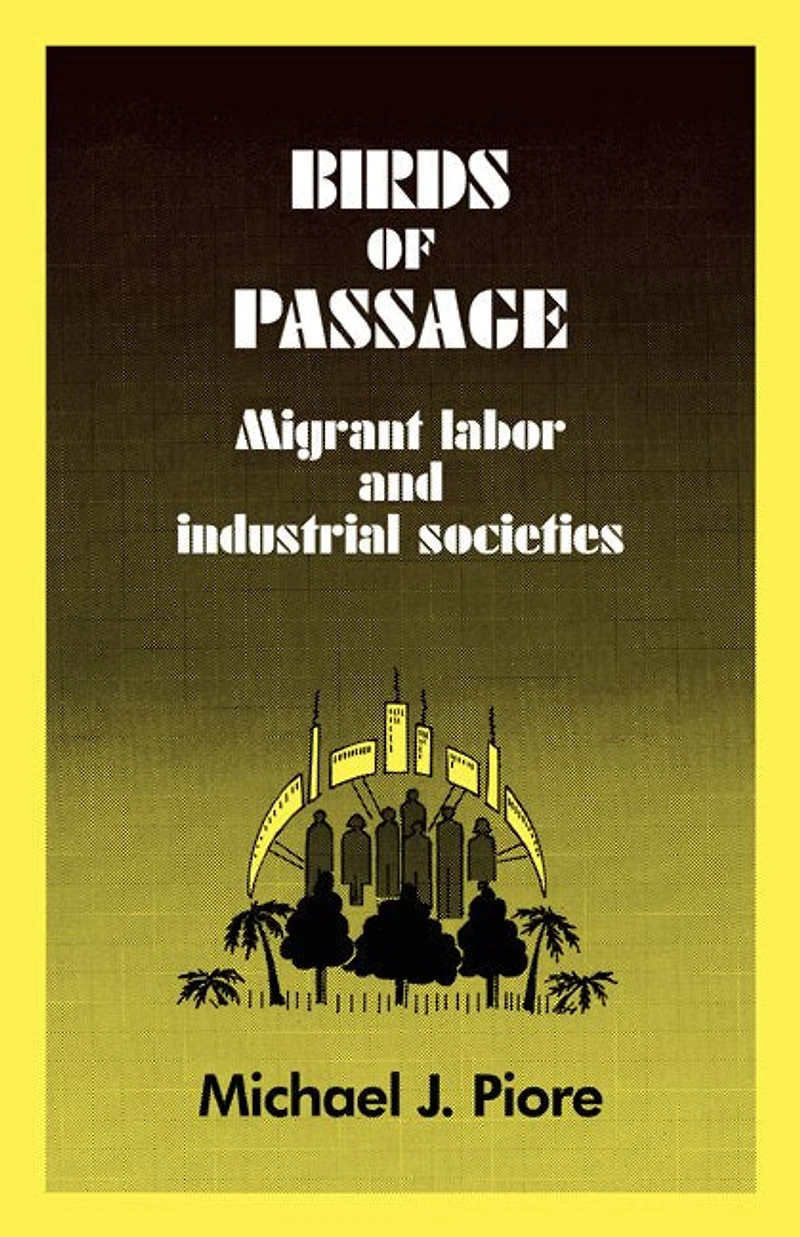
Birds of Passage: Migrant Labor and Industrial Societies in Grande Prairie, AB
Current price: $65.95
Coles
Birds of Passage: Migrant Labor and Industrial Societies in Grande Prairie, AB
Current price: $65.95
Loading Inventory...
Size: Paperback
*Product information and pricing may vary - to confirm current pricing, availability, shipping, and return information please contact Coles. In the event of a pricing discrepancy, the retailer's price will apply.
Birds of Passage presents an unorthodox analysis of migration ion to urban industrial societies from underdeveloped rual areas. It argues that such migrations are a continuing feature of industrial societies and that they are generated by forces inherent in the nature of industrial economies. It explains why conventional economic theory finds such migrations so difficult to comprehend, and challenges a set of older assumptions that supported the view that these migrations were beneficial to both sending and receiving societies. Professor Piore seriously questions whether migration actually relieves population pressure and rural unemployment, and whether it develops skills necessary for the emergence of an industrial labour force in the home country. Furthermore, he criticizes the notion that in the long run migrant labour complements native labour. On the basis of this critique, he develops an alternative theory of the nature of the migration process.
Birds of Passage presents an unorthodox analysis of migration ion to urban industrial societies from underdeveloped rual areas. It argues that such migrations are a continuing feature of industrial societies and that they are generated by forces inherent in the nature of industrial economies. It explains why conventional economic theory finds such migrations so difficult to comprehend, and challenges a set of older assumptions that supported the view that these migrations were beneficial to both sending and receiving societies. Professor Piore seriously questions whether migration actually relieves population pressure and rural unemployment, and whether it develops skills necessary for the emergence of an industrial labour force in the home country. Furthermore, he criticizes the notion that in the long run migrant labour complements native labour. On the basis of this critique, he develops an alternative theory of the nature of the migration process.
You May Also Like











Find at Prairie Mall in Grande Prairie, AB
Visit at Prairie Mall in Grande Prairie, AB