


Gifting Made Simple
Give the Gift of ChoiceClick below to purchase a Prairie Mall eGift Card that can be used at participating retailers at Prairie Mall.Buy Gift CardHome
Biotechnology: Scientific Advancement Versus Public Safety
Coles
Loading Inventory...
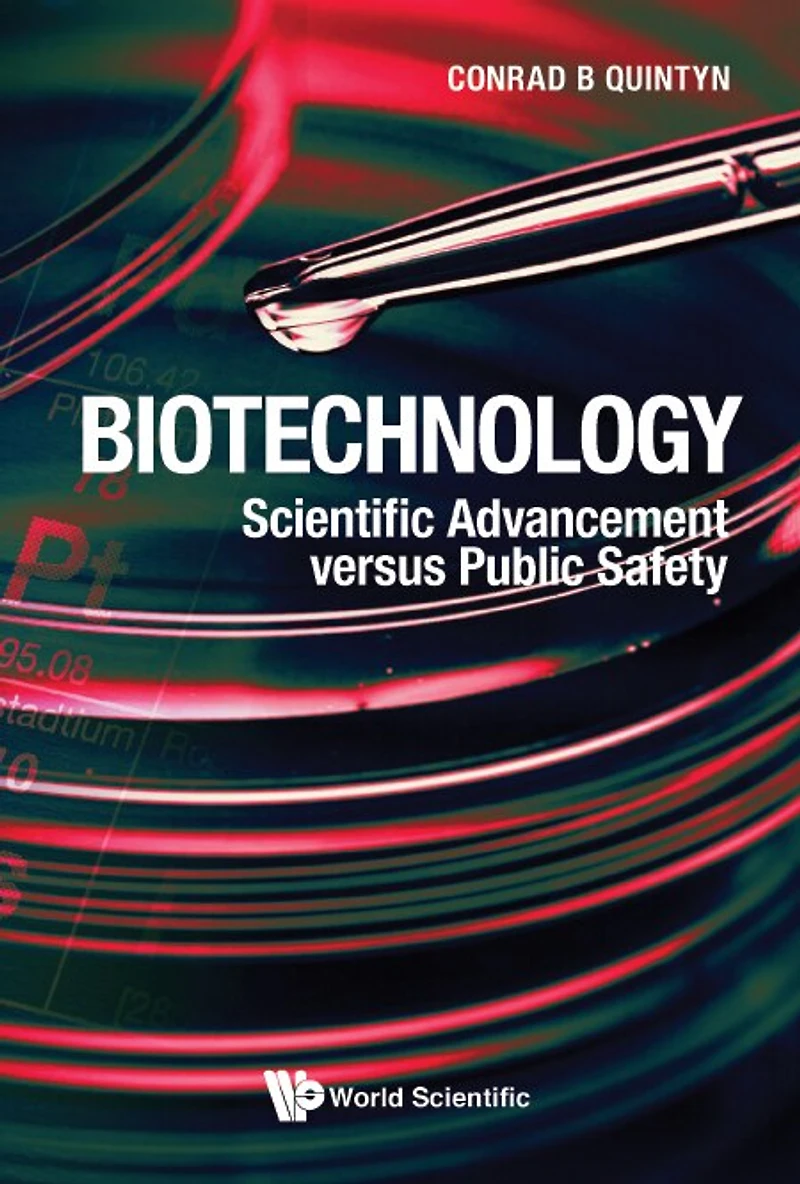
Biotechnology: Scientific Advancement Versus Public Safety in Grande Prairie, AB
Current price: $186.95
Coles
Biotechnology: Scientific Advancement Versus Public Safety in Grande Prairie, AB
Current price: $186.95
Loading Inventory...
Size: Hardcover
*Product information and pricing may vary - to confirm current pricing, availability, shipping, and return information please contact Coles. In the event of a pricing discrepancy, the retailer's price will apply.
In this book, Dr Quintyn considers whether genetic engineering will exacerbate social injustices and/or lead to public safety issues. As designer babies mature, will they feel a sense of superiority or pass on mutations that negatively affect future generations? Should we ignore the risk of zoonotic (animal) diseases because they offer potential benefits for reducing organ shortages? Scientific advancement, if not guided responsibly and with public input, can be detrimental to public safety.This book is unique as it encompasses many biotechnologies within the definition of biotechnology. It gives a balanced view of biotechnology: its promise as evidenced in repairing mutations (i.e., genetic editing) and its dangers evidenced in creating (unintentionally) dangerous microbes or unregulated germline editing and cloning. Additionally, this book includes animals in biotechnological research because the success, advances, techniques, and science of genetic engineering could not have occurred without using animals (and microorganisms, insects, plants) as model organisms. A comprehensive description of the CRISPR system in bacteria and the exploitation of this knowledge in creating the CRISPR/Cas9 technology is also incorporated in this read.The author's overall goal is to discuss other biotechnology that is being used to improve and put at risk the health, environment, and safety of humans, giving the book a competitive edge. Furthermore, the book provides a provocative side in challenging scientists to consider the current belief governing research and development, which is that scientific advancement and public safety create a false dichotomy.
In this book, Dr Quintyn considers whether genetic engineering will exacerbate social injustices and/or lead to public safety issues. As designer babies mature, will they feel a sense of superiority or pass on mutations that negatively affect future generations? Should we ignore the risk of zoonotic (animal) diseases because they offer potential benefits for reducing organ shortages? Scientific advancement, if not guided responsibly and with public input, can be detrimental to public safety.This book is unique as it encompasses many biotechnologies within the definition of biotechnology. It gives a balanced view of biotechnology: its promise as evidenced in repairing mutations (i.e., genetic editing) and its dangers evidenced in creating (unintentionally) dangerous microbes or unregulated germline editing and cloning. Additionally, this book includes animals in biotechnological research because the success, advances, techniques, and science of genetic engineering could not have occurred without using animals (and microorganisms, insects, plants) as model organisms. A comprehensive description of the CRISPR system in bacteria and the exploitation of this knowledge in creating the CRISPR/Cas9 technology is also incorporated in this read.The author's overall goal is to discuss other biotechnology that is being used to improve and put at risk the health, environment, and safety of humans, giving the book a competitive edge. Furthermore, the book provides a provocative side in challenging scientists to consider the current belief governing research and development, which is that scientific advancement and public safety create a false dichotomy.
You May Also Like










Find at Prairie Mall in Grande Prairie, AB
Visit at Prairie Mall in Grande Prairie, AB