


Gifting Made Simple
Give the Gift of ChoiceClick below to purchase a Prairie Mall eGift Card that can be used at participating retailers at Prairie Mall.Buy Gift CardHome
Biotechnological potential of Bacillus thuringiensis in the post-genomic era
Coles
Loading Inventory...
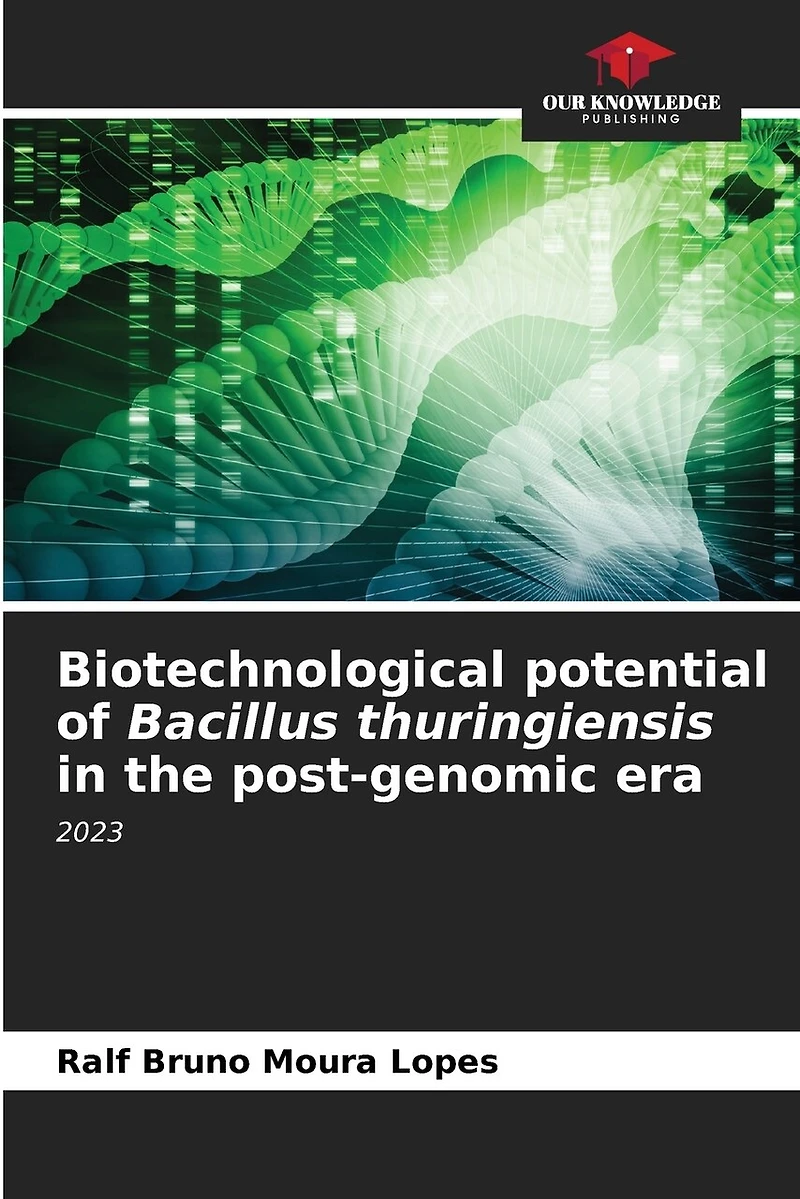
Biotechnological potential of Bacillus thuringiensis in the post-genomic era in Grande Prairie, AB
Current price: $63.95
Coles
Biotechnological potential of Bacillus thuringiensis in the post-genomic era in Grande Prairie, AB
Current price: $63.95
Loading Inventory...
Size: Paperback
*Product information and pricing may vary - to confirm current pricing, availability, shipping, and return information please contact Coles. In the event of a pricing discrepancy, the retailer's price will apply.
Microbial diseases are a major cause of reduced crop yields, resulting in major losses for many countries. Bacillus thuringiensis is a species naturally found associated with soils, insects, and plants. Although most studies on this species focus only on its direct effects against insect pests, we show that there may be several other mechanisms for plant protection, especially against phytopathogenic microorganisms. In this work, the sequencing of the genome of B. thuringiensis BAC3151 endophytic from common bean (Phaseolus vulgaris), in addition to other previously published genomes of the species, provided the opportunity to perform comparative analyses between different strains. In summary, the book will contribute significantly in the search for innovative strategies to perform biological control of microbial diseases in agricultural crops, aiming to reduce the damage caused by phytopathogens.
Microbial diseases are a major cause of reduced crop yields, resulting in major losses for many countries. Bacillus thuringiensis is a species naturally found associated with soils, insects, and plants. Although most studies on this species focus only on its direct effects against insect pests, we show that there may be several other mechanisms for plant protection, especially against phytopathogenic microorganisms. In this work, the sequencing of the genome of B. thuringiensis BAC3151 endophytic from common bean (Phaseolus vulgaris), in addition to other previously published genomes of the species, provided the opportunity to perform comparative analyses between different strains. In summary, the book will contribute significantly in the search for innovative strategies to perform biological control of microbial diseases in agricultural crops, aiming to reduce the damage caused by phytopathogens.
You May Also Like













Find at Prairie Mall in Grande Prairie, AB
Visit at Prairie Mall in Grande Prairie, AB