


Gifting Made Simple
Give the Gift of ChoiceClick below to purchase a Prairie Mall eGift Card that can be used at participating retailers at Prairie Mall.Buy Gift CardHome
Biofortification for Nutrient-Rich Crops
Coles
Loading Inventory...
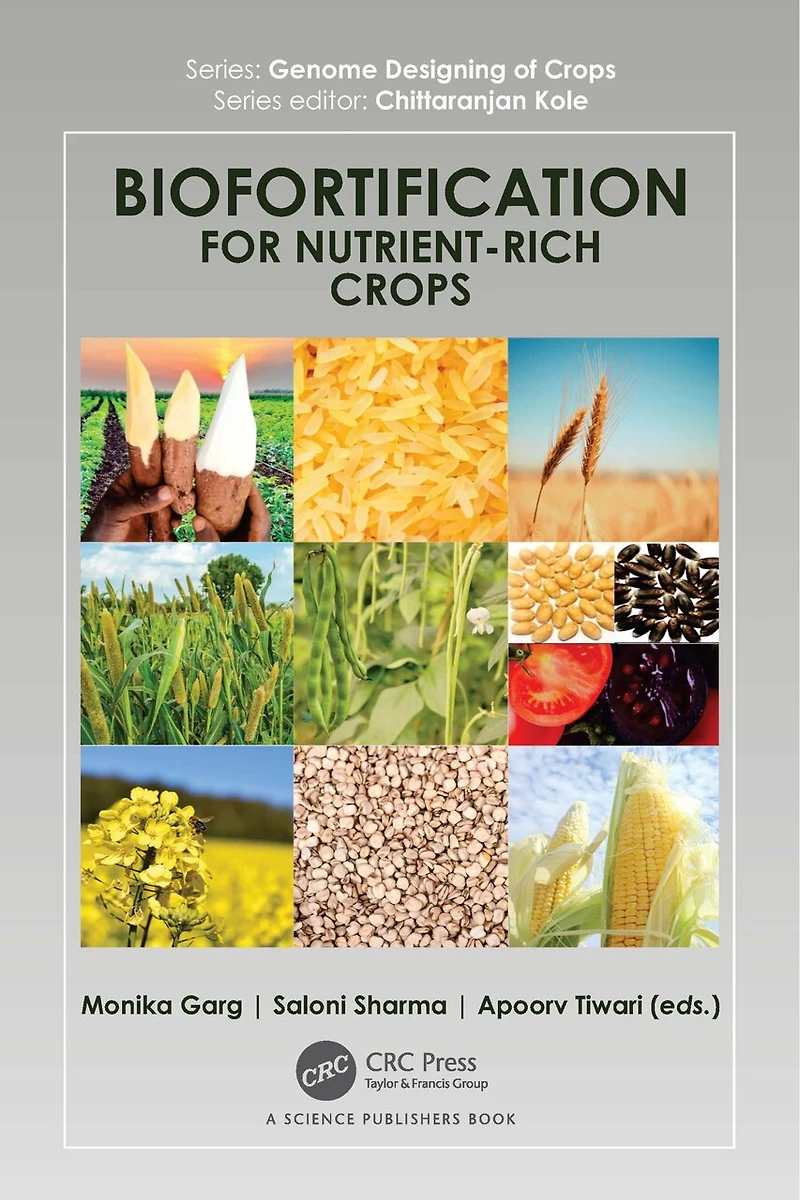
Biofortification for Nutrient-Rich Crops in Grande Prairie, AB
Current price: $266.50
Coles
Biofortification for Nutrient-Rich Crops in Grande Prairie, AB
Current price: $266.50
Loading Inventory...
Size: Hardcover
*Product information and pricing may vary - to confirm current pricing, availability, shipping, and return information please contact Coles. In the event of a pricing discrepancy, the retailer's price will apply.
Biofortification is a widely accepted cost-effective agricultural strategy to improve the nutrient deficiency in populations. It is especially useful in low income and developing nations. Strategies for biofortification employ crop breeding, targeted genetic alteration, and agronomy, show promise for addressing multiple forms of human malnutrition. To increase the bioavailability of food nutrients, biofortification efforts must focus on improving the nutrient content of food and decreasing anti-nutrients. This book covers the basics of biofortification, international efforts, challenges, opportunities, and the use of the latest omics technologies in addition to classical approaches. It covers the most studied micronutrients, vitamin biofortification, and the new topics in dietary fibers, starch quality, and phenolics. It uniquely covers the antinutrients like phytic acid, ODAP, and Glucosinolates. It also reviews food bioavailability, scientific research, and meta-analyses to assess the health-promoting efficacy of different nutrients. The book attempts to cover all bases, from decision considerations to prospects, as well as biofortification of nutrients, antinutrient reduction, and the use of latest technology to aid in the nutritional enhancement of virtually all recorded food crops.
Biofortification is a widely accepted cost-effective agricultural strategy to improve the nutrient deficiency in populations. It is especially useful in low income and developing nations. Strategies for biofortification employ crop breeding, targeted genetic alteration, and agronomy, show promise for addressing multiple forms of human malnutrition. To increase the bioavailability of food nutrients, biofortification efforts must focus on improving the nutrient content of food and decreasing anti-nutrients. This book covers the basics of biofortification, international efforts, challenges, opportunities, and the use of the latest omics technologies in addition to classical approaches. It covers the most studied micronutrients, vitamin biofortification, and the new topics in dietary fibers, starch quality, and phenolics. It uniquely covers the antinutrients like phytic acid, ODAP, and Glucosinolates. It also reviews food bioavailability, scientific research, and meta-analyses to assess the health-promoting efficacy of different nutrients. The book attempts to cover all bases, from decision considerations to prospects, as well as biofortification of nutrients, antinutrient reduction, and the use of latest technology to aid in the nutritional enhancement of virtually all recorded food crops.
You May Also Like
















Find at Prairie Mall in Grande Prairie, AB
Visit at Prairie Mall in Grande Prairie, AB