


Gifting Made Simple
Give the Gift of ChoiceClick below to purchase a Prairie Mall eGift Card that can be used at participating retailers at Prairie Mall.Buy Gift CardHome
Bioactive Compounds of Jaboticaba (Plinia sp.)
Coles
Loading Inventory...
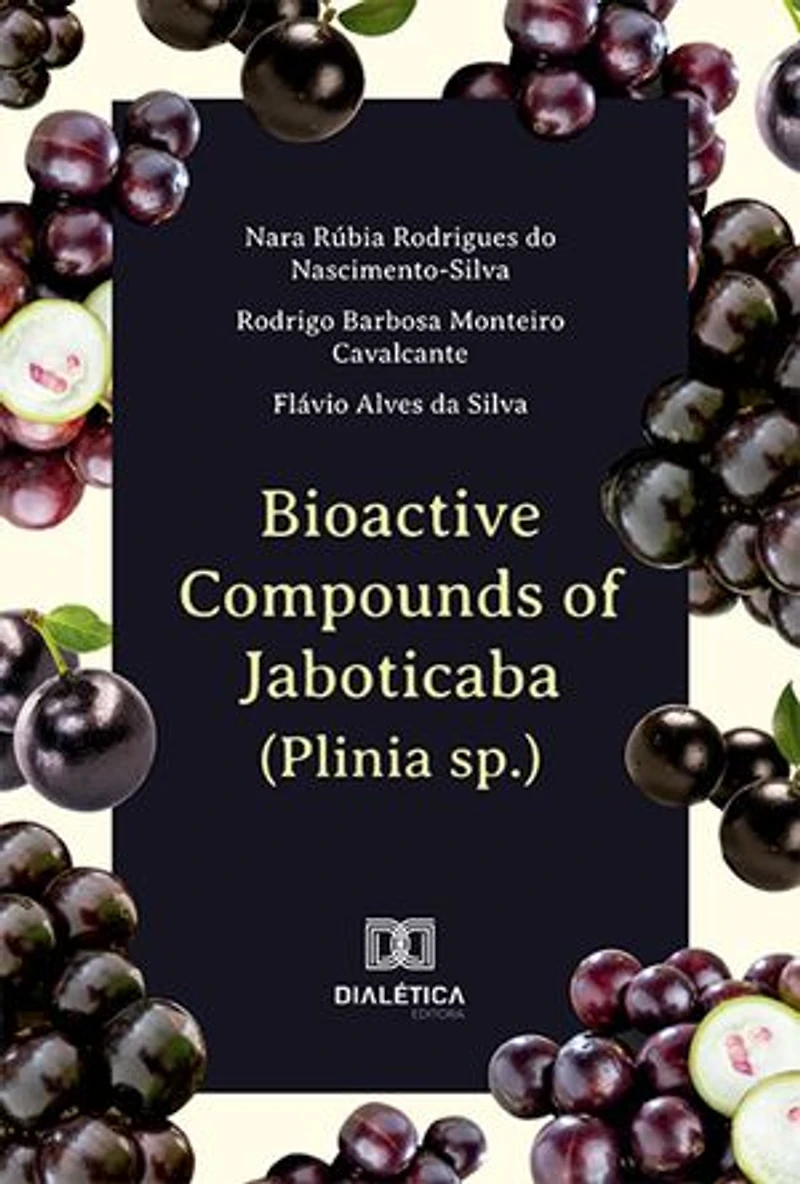
Bioactive Compounds of Jaboticaba (Plinia sp.) in Grande Prairie, AB
Current price: $13.99
Coles
Bioactive Compounds of Jaboticaba (Plinia sp.) in Grande Prairie, AB
Current price: $13.99
Loading Inventory...
Size: Kobo eBook
*Product information and pricing may vary - to confirm current pricing, availability, shipping, and return information please contact Coles. In the event of a pricing discrepancy, the retailer's price will apply.
The whole jaboticaba fruit stood out for its high levels of total polyphenols, mainly anthocyanins (cyanidin and delphinidin), ellagic acid, methylellagic acid, gallic acid, myricetin, quercetin, castalagin, pedunculagin and vescalagin. When evaluating the behavior of these compounds after in vitro digestion, it is observed that anthocyanins did not suffer as much in the salivary and gastric stages, but showed a significant reduction after the intestinal stage. However, a significant reduction in hydrolysable tannins was reported, but the hydrolysis of these compounds reflected an increase in gallic and ellagic acids contents. Plinia sp. presents moderate levels of carotenoids, but, only lutein and ß-carotene are found. In addition, no studies were identified that evaluated the bioavailability of these compounds in this food matrix.
The whole jaboticaba fruit stood out for its high levels of total polyphenols, mainly anthocyanins (cyanidin and delphinidin), ellagic acid, methylellagic acid, gallic acid, myricetin, quercetin, castalagin, pedunculagin and vescalagin. When evaluating the behavior of these compounds after in vitro digestion, it is observed that anthocyanins did not suffer as much in the salivary and gastric stages, but showed a significant reduction after the intestinal stage. However, a significant reduction in hydrolysable tannins was reported, but the hydrolysis of these compounds reflected an increase in gallic and ellagic acids contents. Plinia sp. presents moderate levels of carotenoids, but, only lutein and ß-carotene are found. In addition, no studies were identified that evaluated the bioavailability of these compounds in this food matrix.
You May Also Like











Find at Prairie Mall in Grande Prairie, AB
Visit at Prairie Mall in Grande Prairie, AB