


Gifting Made Simple
Give the Gift of ChoiceClick below to purchase a Prairie Mall eGift Card that can be used at participating retailers at Prairie Mall.Buy Gift CardHome
Big Swords, Jesuits, and Bondelswarts: Wilhelmine Imperialism, Overseas Resistance, and German Political Catholicism, 1897–1906
Coles
Loading Inventory...
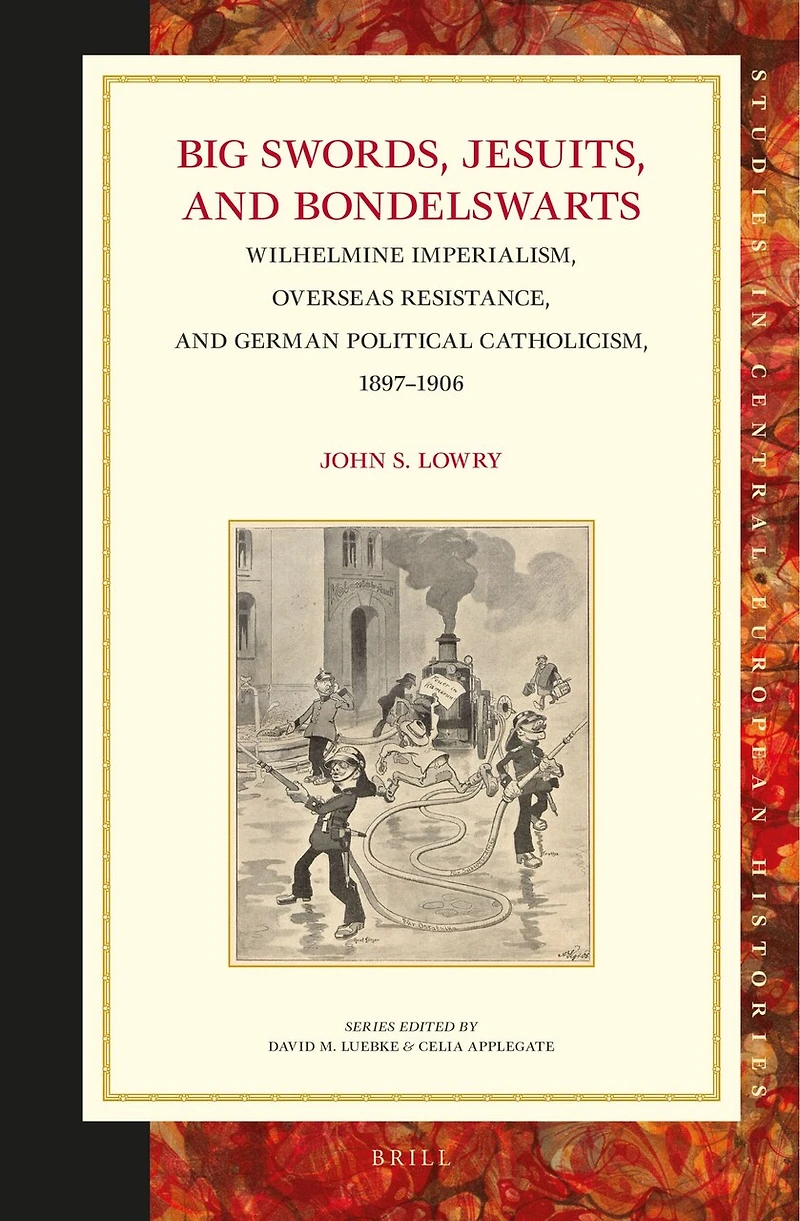
Big Swords, Jesuits, and Bondelswarts: Wilhelmine Imperialism, Overseas Resistance, and German Political Catholicism, 1897–1906 in Grande Prairie, AB
Current price: $281.99
Coles
Big Swords, Jesuits, and Bondelswarts: Wilhelmine Imperialism, Overseas Resistance, and German Political Catholicism, 1897–1906 in Grande Prairie, AB
Current price: $281.99
Loading Inventory...
Size: Hardcover
*Product information and pricing may vary - to confirm current pricing, availability, shipping, and return information please contact Coles. In the event of a pricing discrepancy, the retailer's price will apply.
In Big Swords, Jesuits, and Bondelswarts , John S. Lowry demonstrates that anti-imperialist resistance movements overseas significantly shaped the course of Wilhelmine domestic politics between 1897 and 1906. In 1898 and 1900, for example, the consequences of Chinese, Cuban, and Samoan resistance permitted Berlin to steer two large naval laws through the Reichstag by enabling the government to garner critical votes from the Catholic Center Party through pro-Catholic gestures overseas, rather than via repeal of the Anti-Jesuit Law at home. By contrast, after 1903 costly uprisings throughout German-occupied Africa generated acute fiscal concerns among Center Party delegates, and African civilian protests against colonial misrule aroused missionary and Centrist ire. Lowry emphasizes that the ensuing Reichstag dissolution of 1906 arose much more directly from African factors than previous scholarship has recognized.
In Big Swords, Jesuits, and Bondelswarts , John S. Lowry demonstrates that anti-imperialist resistance movements overseas significantly shaped the course of Wilhelmine domestic politics between 1897 and 1906. In 1898 and 1900, for example, the consequences of Chinese, Cuban, and Samoan resistance permitted Berlin to steer two large naval laws through the Reichstag by enabling the government to garner critical votes from the Catholic Center Party through pro-Catholic gestures overseas, rather than via repeal of the Anti-Jesuit Law at home. By contrast, after 1903 costly uprisings throughout German-occupied Africa generated acute fiscal concerns among Center Party delegates, and African civilian protests against colonial misrule aroused missionary and Centrist ire. Lowry emphasizes that the ensuing Reichstag dissolution of 1906 arose much more directly from African factors than previous scholarship has recognized.
You May Also Like


















Find at Prairie Mall in Grande Prairie, AB
Visit at Prairie Mall in Grande Prairie, AB