


Gifting Made Simple
Give the Gift of ChoiceClick below to purchase a Prairie Mall eGift Card that can be used at participating retailers at Prairie Mall.Buy Gift CardHome
Big Data
Coles
Loading Inventory...
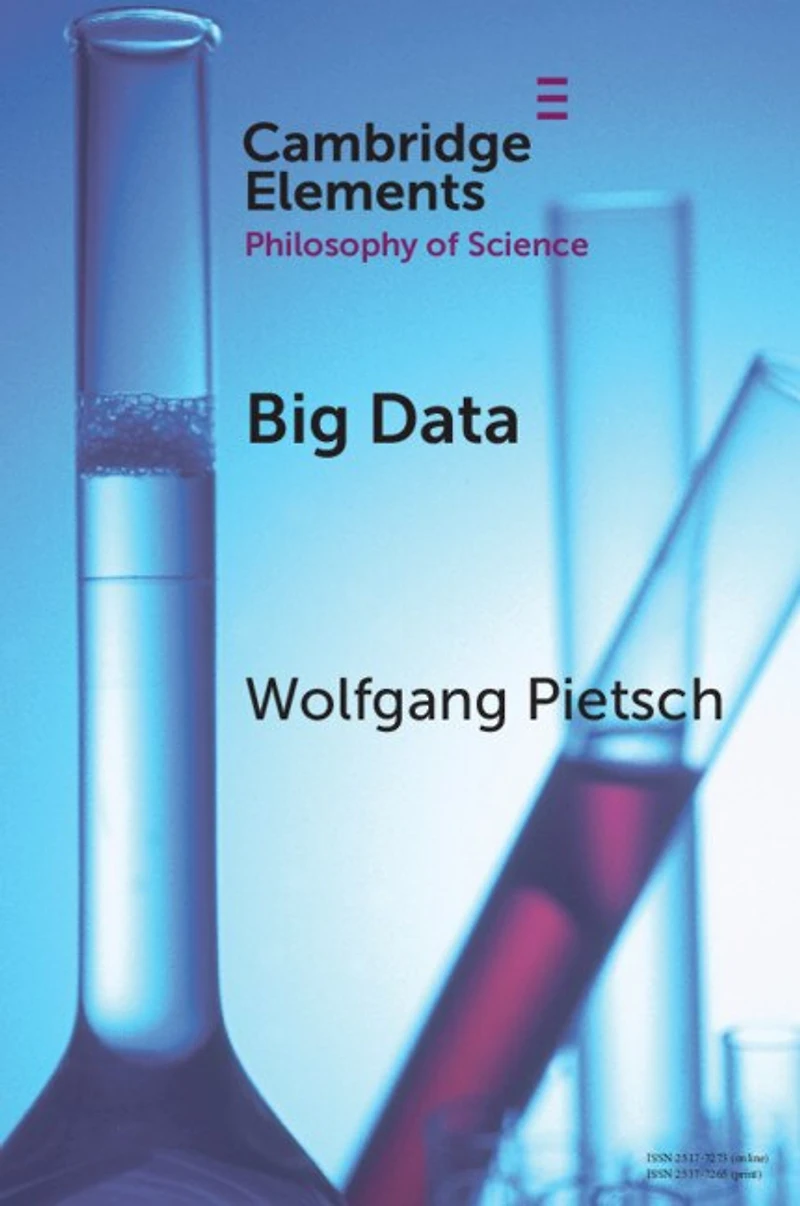
Big Data in Grande Prairie, AB
Current price: $29.54
Coles
Big Data in Grande Prairie, AB
Current price: $29.54
Loading Inventory...
Size: Paperback
*Product information and pricing may vary - to confirm current pricing, availability, shipping, and return information please contact Coles. In the event of a pricing discrepancy, the retailer's price will apply.
Big Data and methods for analyzing large data sets such as machine learning have in recent times deeply transformed scientific practice in many fields. However, an epistemological study of these novel tools is still largely lacking. After a conceptual analysis of the notion of data and a brief introduction into the methodological dichotomy between inductivism and hypothetico-deductivism, several controversial theses regarding big data approaches are discussed. These include, whether correlation replaces causation, whether the end of theory is in sight and whether big data approaches constitute entirely novel scientific methodology. In this Element, I defend an inductivist view of big data research and argue that the type of induction employed by the most successful big data algorithms is variational induction in the tradition of Mill's methods. Based on this insight, the before-mentioned epistemological issues can be systematically addressed.
Big Data and methods for analyzing large data sets such as machine learning have in recent times deeply transformed scientific practice in many fields. However, an epistemological study of these novel tools is still largely lacking. After a conceptual analysis of the notion of data and a brief introduction into the methodological dichotomy between inductivism and hypothetico-deductivism, several controversial theses regarding big data approaches are discussed. These include, whether correlation replaces causation, whether the end of theory is in sight and whether big data approaches constitute entirely novel scientific methodology. In this Element, I defend an inductivist view of big data research and argue that the type of induction employed by the most successful big data algorithms is variational induction in the tradition of Mill's methods. Based on this insight, the before-mentioned epistemological issues can be systematically addressed.
You May Also Like









Find at Prairie Mall in Grande Prairie, AB
Visit at Prairie Mall in Grande Prairie, AB