


Gifting Made Simple
Give the Gift of ChoiceClick below to purchase a Prairie Mall eGift Card that can be used at participating retailers at Prairie Mall.Buy Gift CardHome
Beyond What Is Written: Erasmus and Beza as Conjectural Critics of the New Testament
Coles
Loading Inventory...
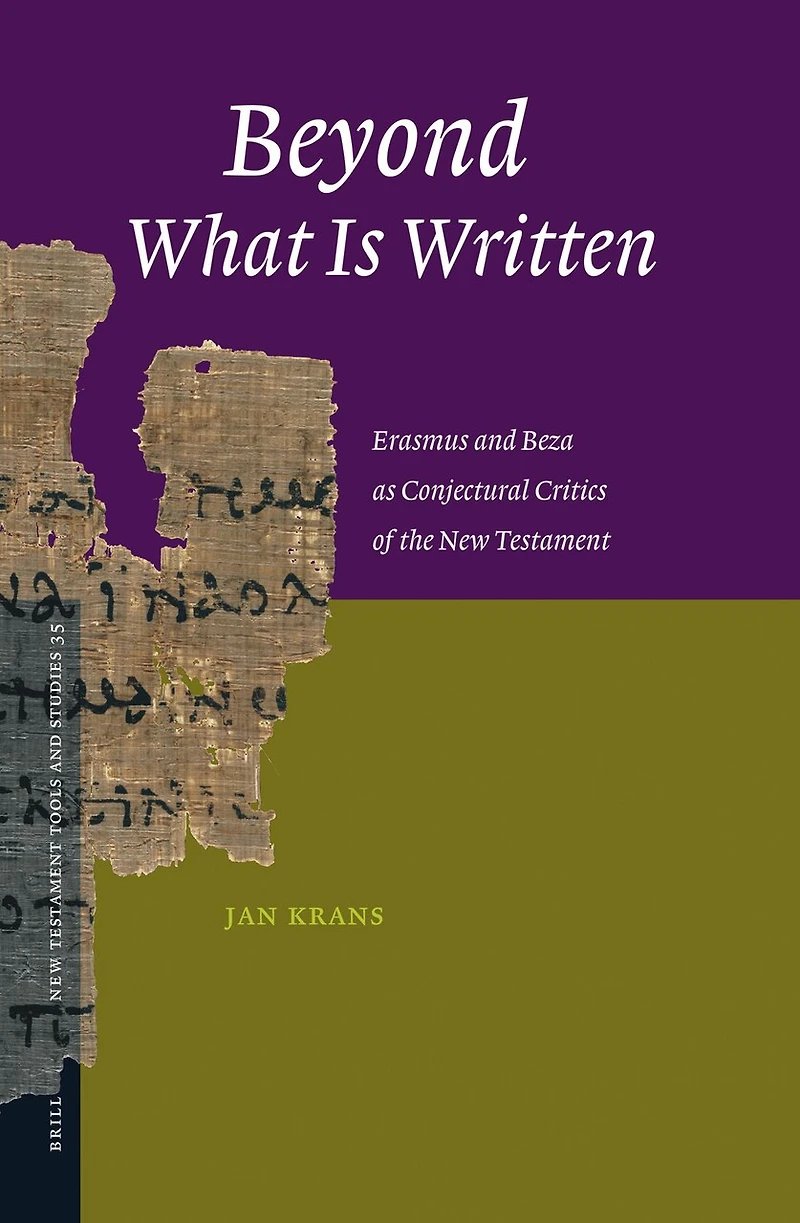
Beyond What Is Written: Erasmus and Beza as Conjectural Critics of the New Testament in Grande Prairie, AB
Current price: $332.99
Coles
Beyond What Is Written: Erasmus and Beza as Conjectural Critics of the New Testament in Grande Prairie, AB
Current price: $332.99
Loading Inventory...
Size: Hardcover
*Product information and pricing may vary - to confirm current pricing, availability, shipping, and return information please contact Coles. In the event of a pricing discrepancy, the retailer's price will apply.
Beyond What is Written examines Erasmus' and Beza's multiple editions of the New Testament and the vast body of annotations which accompany these editions.
This study provides a new understanding of the many conjectures on the New Testament text proposed by these two renowned scholars as part of their New Testament projects.
As a consequence, it not only elucidates their different approaches to New Testament textual criticism, but also clarifies the nature and role of conjectural emendation in sixteenth-century scholarship. As a piece of historical research, this investigation into conjectures in the work of Erasmus and Beza also contributes to the ongoing debate on the nature and task of textual criticism today.
The study is an important publication for textual critics and exegetes of the New Testament, as well as for historians of the Renaissance and the Reformation.
Beyond What is Written examines Erasmus' and Beza's multiple editions of the New Testament and the vast body of annotations which accompany these editions.
This study provides a new understanding of the many conjectures on the New Testament text proposed by these two renowned scholars as part of their New Testament projects.
As a consequence, it not only elucidates their different approaches to New Testament textual criticism, but also clarifies the nature and role of conjectural emendation in sixteenth-century scholarship. As a piece of historical research, this investigation into conjectures in the work of Erasmus and Beza also contributes to the ongoing debate on the nature and task of textual criticism today.
The study is an important publication for textual critics and exegetes of the New Testament, as well as for historians of the Renaissance and the Reformation.
You May Also Like









Find at Prairie Mall in Grande Prairie, AB
Visit at Prairie Mall in Grande Prairie, AB