


Gifting Made Simple
Give the Gift of ChoiceClick below to purchase a Prairie Mall eGift Card that can be used at participating retailers at Prairie Mall.Buy Gift CardHome
BEYOND THE REPRODUCTIVE BODY: Politics of Women’s Health & Work Early Victorian England
Coles
Loading Inventory...
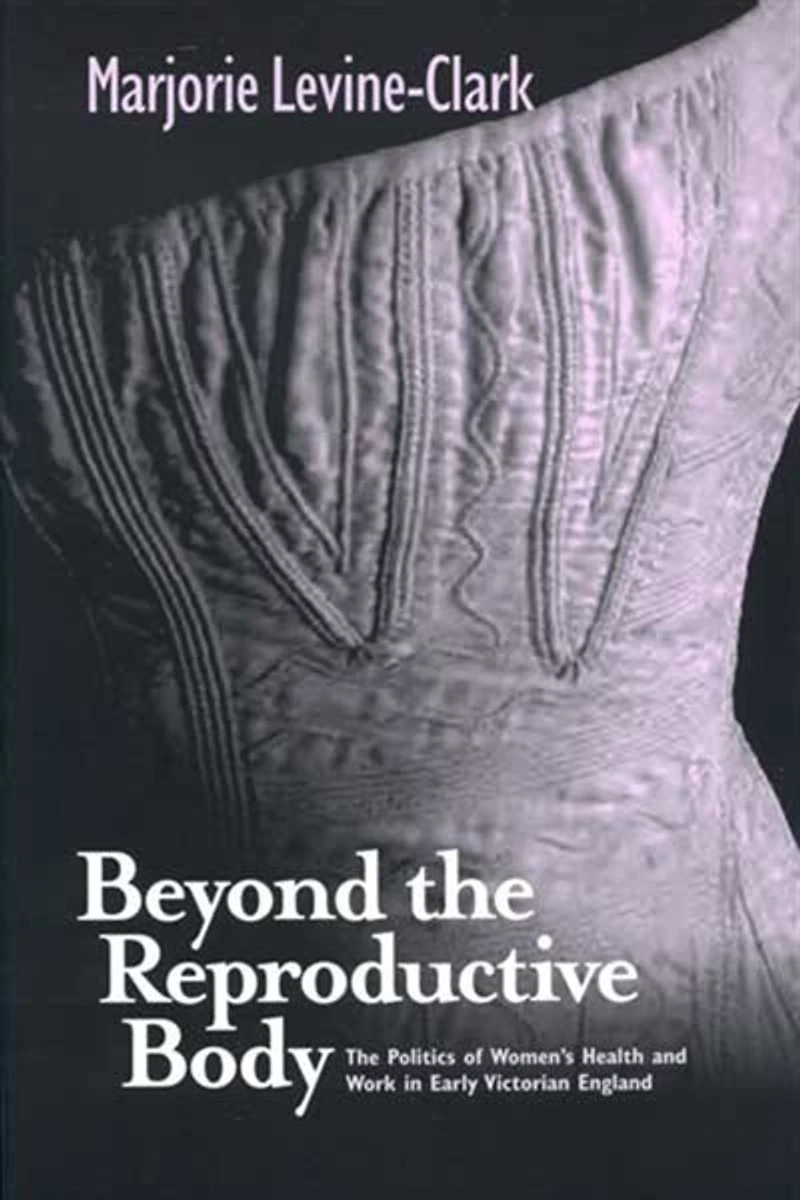
BEYOND THE REPRODUCTIVE BODY: Politics of Women’s Health & Work Early Victorian England in Grande Prairie, AB
Current price: $64.95
Coles
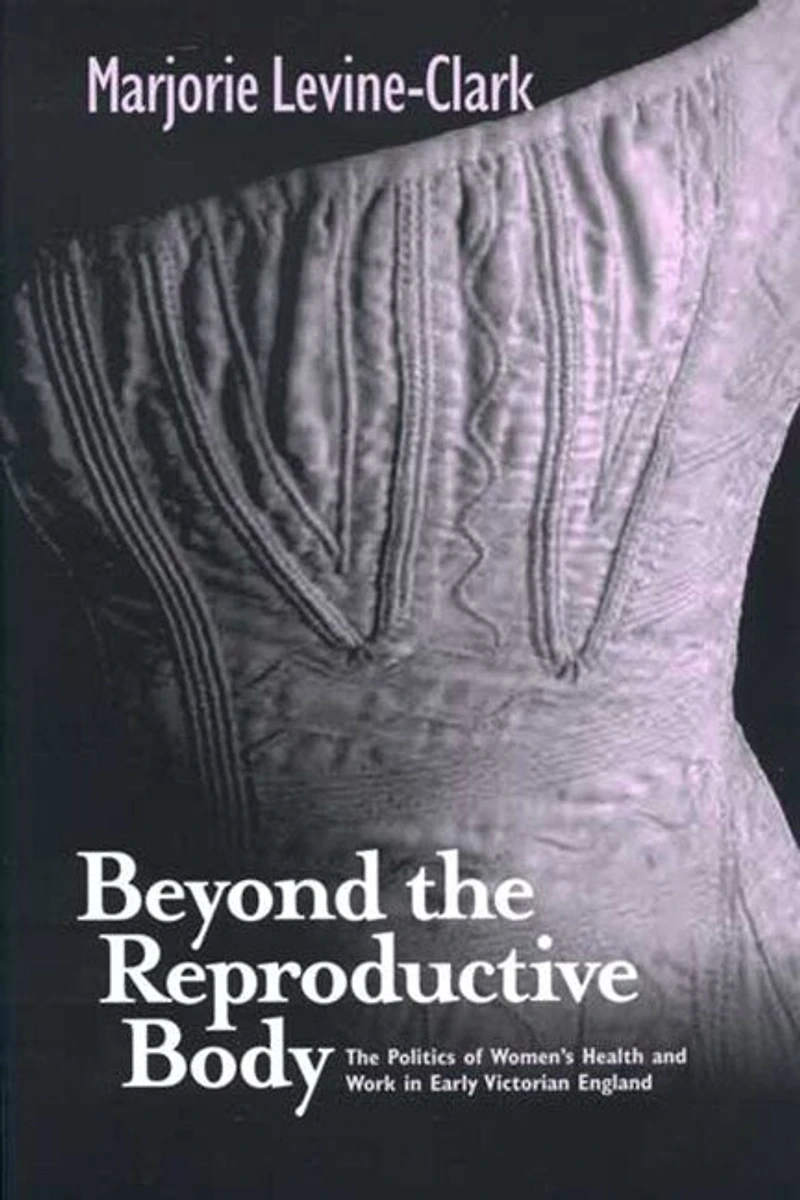
BEYOND THE REPRODUCTIVE BODY: Politics of Women’s Health & Work Early Victorian England in Grande Prairie, AB
Current price: $64.95
Loading Inventory...
Size: Hardcover
*Product information and pricing may vary - to confirm current pricing, availability, shipping, and return information please contact Coles. In the event of a pricing discrepancy, the retailer's price will apply.
Appealing to audiences interested in the histories of medicine, women, gender, labor, and social policy, Beyond the Reproductive Body examines women''s health in relation to work in early Victorian England. Government officials and reformers investigating the laboring population became convinced that the female body would be ruined by gainful employment, making women incapable of reproducing a healthy labor force. Women''s work was thus framed as a public health "problem." Poor women were caught between the contradictory expectations of the reproductive body, which supposedly precluded any but domestic labor, and the able body, which dictated that all poor but healthy people must work to stay independent of state assistance. Medical case narratives of female patients show that while official pronouncements emphasized the physical limitations of the female reproductive body, poor women adopted an able-bodied norm.
Beyond the Reproductive Body demonstrates the centrality of gender and the body in the formation of Victorian policies concerning employment, public health, and welfare. Focusing on poor women, it challenges historians'' customary presentations of Victorian women''s delicate health. The medical case narratives give voices to poor women, who have left very few written records of their own.
Marjorie Levine-Clark is assistant professor of history at the University of Colorado, Denver.
Appealing to audiences interested in the histories of medicine, women, gender, labor, and social policy, Beyond the Reproductive Body examines women''s health in relation to work in early Victorian England. Government officials and reformers investigating the laboring population became convinced that the female body would be ruined by gainful employment, making women incapable of reproducing a healthy labor force. Women''s work was thus framed as a public health "problem." Poor women were caught between the contradictory expectations of the reproductive body, which supposedly precluded any but domestic labor, and the able body, which dictated that all poor but healthy people must work to stay independent of state assistance. Medical case narratives of female patients show that while official pronouncements emphasized the physical limitations of the female reproductive body, poor women adopted an able-bodied norm.
Beyond the Reproductive Body demonstrates the centrality of gender and the body in the formation of Victorian policies concerning employment, public health, and welfare. Focusing on poor women, it challenges historians'' customary presentations of Victorian women''s delicate health. The medical case narratives give voices to poor women, who have left very few written records of their own.
Marjorie Levine-Clark is assistant professor of history at the University of Colorado, Denver.
You May Also Like










Find at Prairie Mall in Grande Prairie, AB
Visit at Prairie Mall in Grande Prairie, AB