


Gifting Made Simple
Give the Gift of ChoiceClick below to purchase a Prairie Mall eGift Card that can be used at participating retailers at Prairie Mall.Buy Gift CardHome
Beyond Nationalism: A Social and Political History of the Habsburg Officer Corps, 1848-1918
Coles
Loading Inventory...
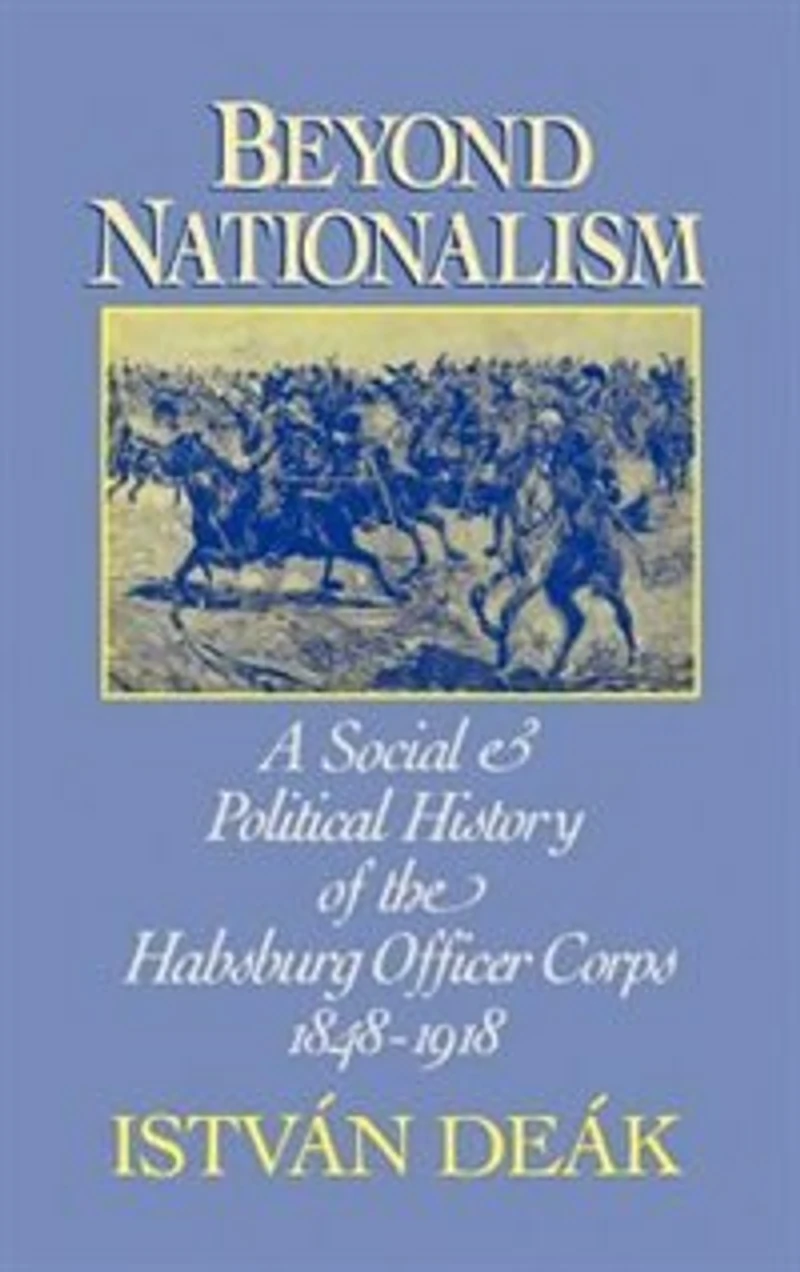
Beyond Nationalism: A Social and Political History of the Habsburg Officer Corps, 1848-1918 in Grande Prairie, AB
Current price: $97.95
Coles
Beyond Nationalism: A Social and Political History of the Habsburg Officer Corps, 1848-1918 in Grande Prairie, AB
Current price: $97.95
Loading Inventory...
Size: Hardcover
*Product information and pricing may vary - to confirm current pricing, availability, shipping, and return information please contact Coles. In the event of a pricing discrepancy, the retailer's price will apply.
In the last seventy years of its long and distinguished existence, the Habsburg monarchy was plagued by the forces of rising nationalism. Still, it preserved domestic peace and provided the conditions for social, economic, and cultural progress in a vast area inhabited by eleven major
nationalities and almost as many confessional groups. This study investigates the social origin, education, training, code of honor, lifestyle, and political role of the Habsburg officers. Simultaneously conservative and liberal, the officer corps, originally composed mainly of noblemen, willingly
coopted thousands of commoners--among them an extraordinary number of Jews. Even during World War I, the army and its officers endured, surviving the dissolution of the state in October 1918, if only by a few days. The end of the multinational Habsburg army also marked the end of confessional and
ethnic tolerance in Central and East Central Europe.
In the last seventy years of its long and distinguished existence, the Habsburg monarchy was plagued by the forces of rising nationalism. Still, it preserved domestic peace and provided the conditions for social, economic, and cultural progress in a vast area inhabited by eleven major
nationalities and almost as many confessional groups. This study investigates the social origin, education, training, code of honor, lifestyle, and political role of the Habsburg officers. Simultaneously conservative and liberal, the officer corps, originally composed mainly of noblemen, willingly
coopted thousands of commoners--among them an extraordinary number of Jews. Even during World War I, the army and its officers endured, surviving the dissolution of the state in October 1918, if only by a few days. The end of the multinational Habsburg army also marked the end of confessional and
ethnic tolerance in Central and East Central Europe.
You May Also Like










Find at Prairie Mall in Grande Prairie, AB
Visit at Prairie Mall in Grande Prairie, AB