


Gifting Made Simple
Give the Gift of ChoiceClick below to purchase a Prairie Mall eGift Card that can be used at participating retailers at Prairie Mall.Buy Gift CardHome
Beyond Emasculation: Pleasure And Power In The Making Of Hijra In Bangladesh
Coles
Loading Inventory...
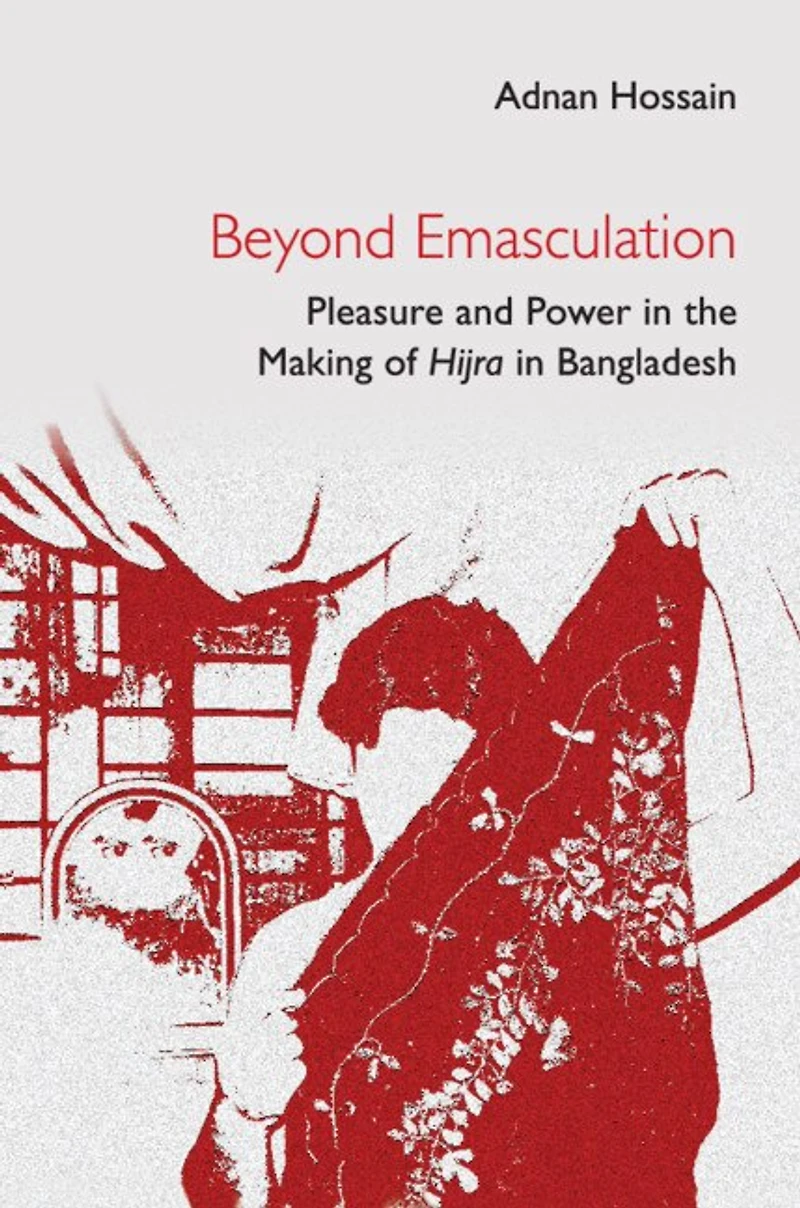
Beyond Emasculation: Pleasure And Power In The Making Of Hijra In Bangladesh in Grande Prairie, AB
Current price: $140.95
Coles
Beyond Emasculation: Pleasure And Power In The Making Of Hijra In Bangladesh in Grande Prairie, AB
Current price: $140.95
Loading Inventory...
Size: Hardcover
*Product information and pricing may vary - to confirm current pricing, availability, shipping, and return information please contact Coles. In the event of a pricing discrepancy, the retailer's price will apply.
This book is based on long term ethnographic research with hijras, the emblematic figure of South Asian sexual and gender difference in Dhaka, Bangladesh. It proposes the hijra as a counter-cultural formation that embodies not only a direct contrast to hegemonic patterns of masculinity but also as an alternative subculture offering the possibility of varied forms of erotic pleasures and practices otherwise forbidden in mainstream society. While most studies view hijras as an asexual, emasculated, third sex/gender, this book calls into question the phallocentric logic that obscures alternative sites and sources of bodily power and pleasure, emphasizing how hijras craft their own subject position. Ethnographically rich and theoretically engaged, this book will cause a new, global re-examination of both hijras in particular and the wider range of 'male femininities' in general.
This book is based on long term ethnographic research with hijras, the emblematic figure of South Asian sexual and gender difference in Dhaka, Bangladesh. It proposes the hijra as a counter-cultural formation that embodies not only a direct contrast to hegemonic patterns of masculinity but also as an alternative subculture offering the possibility of varied forms of erotic pleasures and practices otherwise forbidden in mainstream society. While most studies view hijras as an asexual, emasculated, third sex/gender, this book calls into question the phallocentric logic that obscures alternative sites and sources of bodily power and pleasure, emphasizing how hijras craft their own subject position. Ethnographically rich and theoretically engaged, this book will cause a new, global re-examination of both hijras in particular and the wider range of 'male femininities' in general.
You May Also Like












Find at Prairie Mall in Grande Prairie, AB
Visit at Prairie Mall in Grande Prairie, AB