


Gifting Made Simple
Give the Gift of ChoiceClick below to purchase a Prairie Mall eGift Card that can be used at participating retailers at Prairie Mall.Buy Gift CardHome
Between Prometheism and Realpolitik: Poland and Soviet Ukraine, 1921-1926
Coles
Loading Inventory...
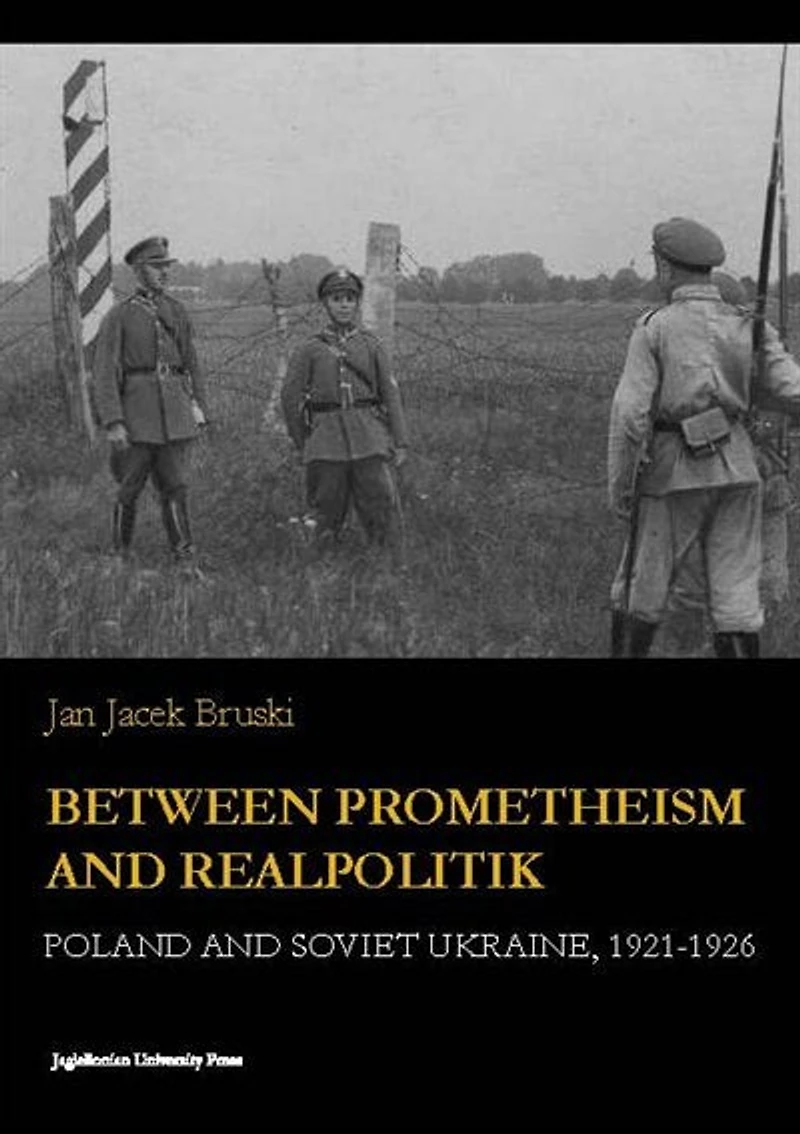
Between Prometheism and Realpolitik: Poland and Soviet Ukraine, 1921-1926 in Grande Prairie, AB
Current price: $72.00
Coles
Between Prometheism and Realpolitik: Poland and Soviet Ukraine, 1921-1926 in Grande Prairie, AB
Current price: $72.00
Loading Inventory...
Size: Paperback
*Product information and pricing may vary - to confirm current pricing, availability, shipping, and return information please contact Coles. In the event of a pricing discrepancy, the retailer's price will apply.
The Treaty of Riga of March 1921 did not signify real peace. It was soon followed by the outbreak of a Polish-Soviet cold war, which in the early 1920s threatened to reach a boiling point. One of the salient fronts on which it was fought was Ukraine and the Ukrainian question. The means by which it was waged – first by Poland, and subsequently, more successfully, by the Soviets – was by attempts to stir up centrifugal tendencies on enemy territory, leading eventually to the splitting up of the neighboring state along its national seams. Polish-Soviet rivalry over Ukraine had flared up at the Riga peace conference. In the following years both antagonists struggled to win over the sympathies of Ukrainians living on either side of the frontier River Zbrucz (Zbruch) and dispersed in various émigré centers, and the weapons employed were propaganda, diplomacy, nationalities policy, economic projects, political subterfuge, and armed irredentism. Jan Jacek Bruski's book addresses the first, very important phase of this Polish-Soviet tussle.
The Treaty of Riga of March 1921 did not signify real peace. It was soon followed by the outbreak of a Polish-Soviet cold war, which in the early 1920s threatened to reach a boiling point. One of the salient fronts on which it was fought was Ukraine and the Ukrainian question. The means by which it was waged – first by Poland, and subsequently, more successfully, by the Soviets – was by attempts to stir up centrifugal tendencies on enemy territory, leading eventually to the splitting up of the neighboring state along its national seams. Polish-Soviet rivalry over Ukraine had flared up at the Riga peace conference. In the following years both antagonists struggled to win over the sympathies of Ukrainians living on either side of the frontier River Zbrucz (Zbruch) and dispersed in various émigré centers, and the weapons employed were propaganda, diplomacy, nationalities policy, economic projects, political subterfuge, and armed irredentism. Jan Jacek Bruski's book addresses the first, very important phase of this Polish-Soviet tussle.
You May Also Like








Find at Prairie Mall in Grande Prairie, AB
Visit at Prairie Mall in Grande Prairie, AB