


Gifting Made Simple
Give the Gift of ChoiceClick below to purchase a Prairie Mall eGift Card that can be used at participating retailers at Prairie Mall.Buy Gift CardHome
Between Opposition and Collaboration: Nobles, Bishops, and the German Reformations in the Prince-Bishopric of Bamberg, 1555–1619
Coles
Loading Inventory...
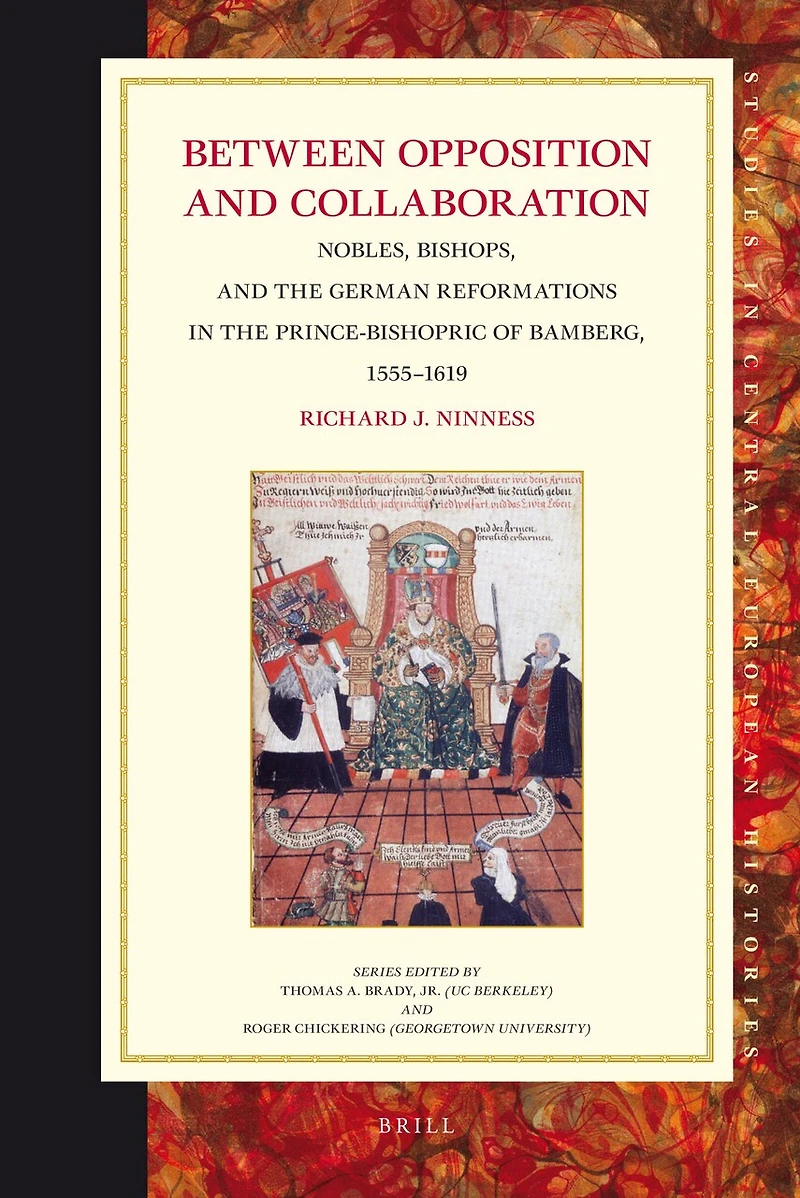
Between Opposition and Collaboration: Nobles, Bishops, and the German Reformations in the Prince-Bishopric of Bamberg, 1555–1619 in Grande Prairie, AB
Current price: $223.99
Coles
Between Opposition and Collaboration: Nobles, Bishops, and the German Reformations in the Prince-Bishopric of Bamberg, 1555–1619 in Grande Prairie, AB
Current price: $223.99
Loading Inventory...
Size: Hardcover
*Product information and pricing may vary - to confirm current pricing, availability, shipping, and return information please contact Coles. In the event of a pricing discrepancy, the retailer's price will apply.
This study of the Catholic Prince-Bishopric of Bamberg and its largely Protestant aristocracy demonstrates that shared family ties and traditional privilege could reduce religious based conflict. These findings raise fundamental questions about current interpretations of the Reformation era. Prince-bishops regularly appointed Lutheran nobles to administrative positions, and those Lutheran appointees served their Catholic overlords ably and loyally. Bamberg was a center for social interaction, business transactions, and career opportunities for aristocrats. As these nobles saw it, birthright and kinship ties made them suitable for service in the prince-bishopric. Catholic leaders concurred, confessional differences notwithstanding. This study tells the complicated story of how Lutheran nobles and their Catholic relatives struggled to maintain solidarity and cooperation during an era of religious strife and animosity
This study of the Catholic Prince-Bishopric of Bamberg and its largely Protestant aristocracy demonstrates that shared family ties and traditional privilege could reduce religious based conflict. These findings raise fundamental questions about current interpretations of the Reformation era. Prince-bishops regularly appointed Lutheran nobles to administrative positions, and those Lutheran appointees served their Catholic overlords ably and loyally. Bamberg was a center for social interaction, business transactions, and career opportunities for aristocrats. As these nobles saw it, birthright and kinship ties made them suitable for service in the prince-bishopric. Catholic leaders concurred, confessional differences notwithstanding. This study tells the complicated story of how Lutheran nobles and their Catholic relatives struggled to maintain solidarity and cooperation during an era of religious strife and animosity
You May Also Like


















Find at Prairie Mall in Grande Prairie, AB
Visit at Prairie Mall in Grande Prairie, AB