


Gifting Made Simple
Give the Gift of ChoiceClick below to purchase a Prairie Mall eGift Card that can be used at participating retailers at Prairie Mall.Buy Gift CardHome
Between Ideology and Politics: The Foreign Policy of Islamist Political Parties
Coles
Loading Inventory...
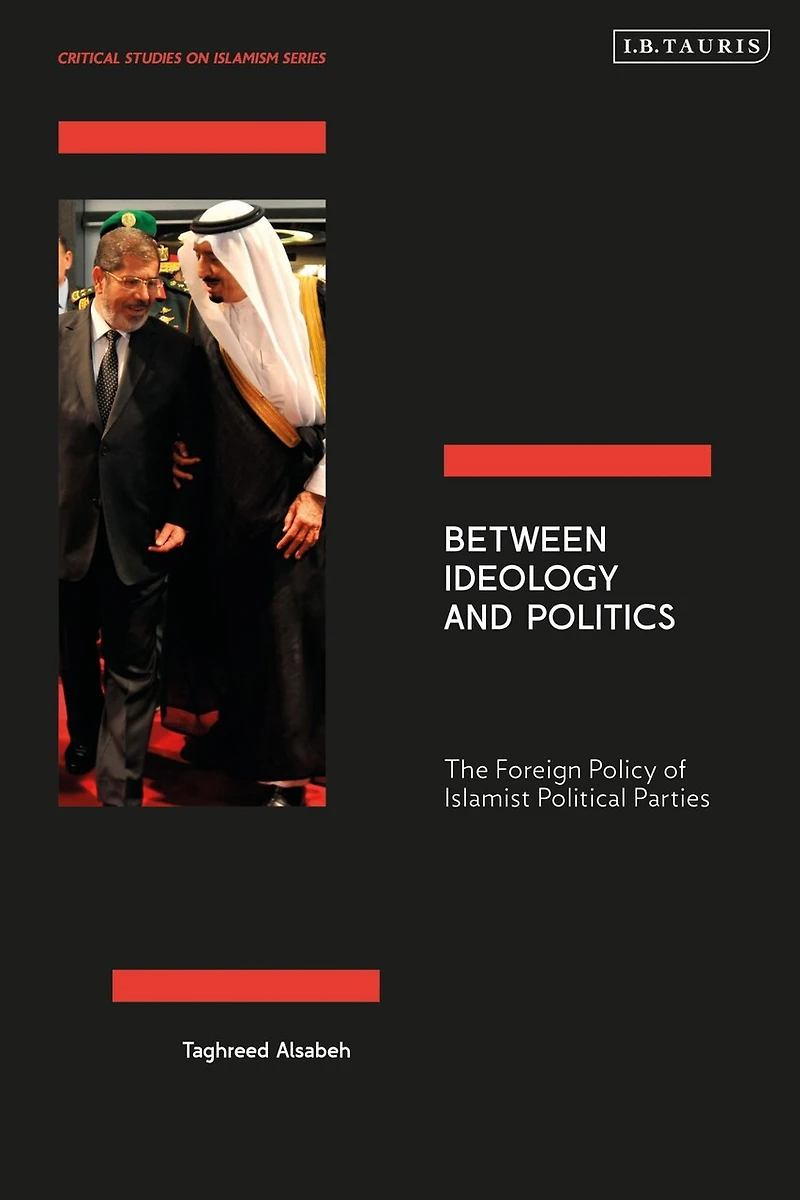
Between Ideology and Politics: The Foreign Policy of Islamist Political Parties in Grande Prairie, AB
Current price: $175.50
Coles
Between Ideology and Politics: The Foreign Policy of Islamist Political Parties in Grande Prairie, AB
Current price: $175.50
Loading Inventory...
Size: Hardcover
*Product information and pricing may vary - to confirm current pricing, availability, shipping, and return information please contact Coles. In the event of a pricing discrepancy, the retailer's price will apply.
This study presents a comparative, case-study approach to analyzing the foreign policies of ruling Islamist parties in Egypt, Morocco and Tunisia. The book investigates whether democratically elected ruling Islamist parties apply their ideology to foreign policy and how their foreign policy approaches differ to that of non-Islamist parties. Taghreed Alsabeh provides in-depth analysis of the Freedom and Justice Party (FJP) in Egypt, the Justice and Development Party (PJD) in Morocco, and the Ennahda Party in Tunisia, over a period of twelve years, and compares their foreign policy approaches and outcomes to those of their own internal non-Islamist counterparts. What emerges is a detailed picture of each country's foreign policy trajectories through successive governments - both Islamist and non-Islamist rule - and clear sites of commonality as well as divergence. Alsabeh demonstrates that ultimately Islamist parties' foreign policies have been ideologically constrained to a large degree by national contexts such as limited time in power, limited control of the government, and their relationships with other domestic political actors.
This study presents a comparative, case-study approach to analyzing the foreign policies of ruling Islamist parties in Egypt, Morocco and Tunisia. The book investigates whether democratically elected ruling Islamist parties apply their ideology to foreign policy and how their foreign policy approaches differ to that of non-Islamist parties. Taghreed Alsabeh provides in-depth analysis of the Freedom and Justice Party (FJP) in Egypt, the Justice and Development Party (PJD) in Morocco, and the Ennahda Party in Tunisia, over a period of twelve years, and compares their foreign policy approaches and outcomes to those of their own internal non-Islamist counterparts. What emerges is a detailed picture of each country's foreign policy trajectories through successive governments - both Islamist and non-Islamist rule - and clear sites of commonality as well as divergence. Alsabeh demonstrates that ultimately Islamist parties' foreign policies have been ideologically constrained to a large degree by national contexts such as limited time in power, limited control of the government, and their relationships with other domestic political actors.
You May Also Like










Find at Prairie Mall in Grande Prairie, AB
Visit at Prairie Mall in Grande Prairie, AB