


Gifting Made Simple
Give the Gift of ChoiceClick below to purchase a Prairie Mall eGift Card that can be used at participating retailers at Prairie Mall.Buy Gift CardHome
Berkouwer and Catholicism: Disputed Questions
Coles
Loading Inventory...
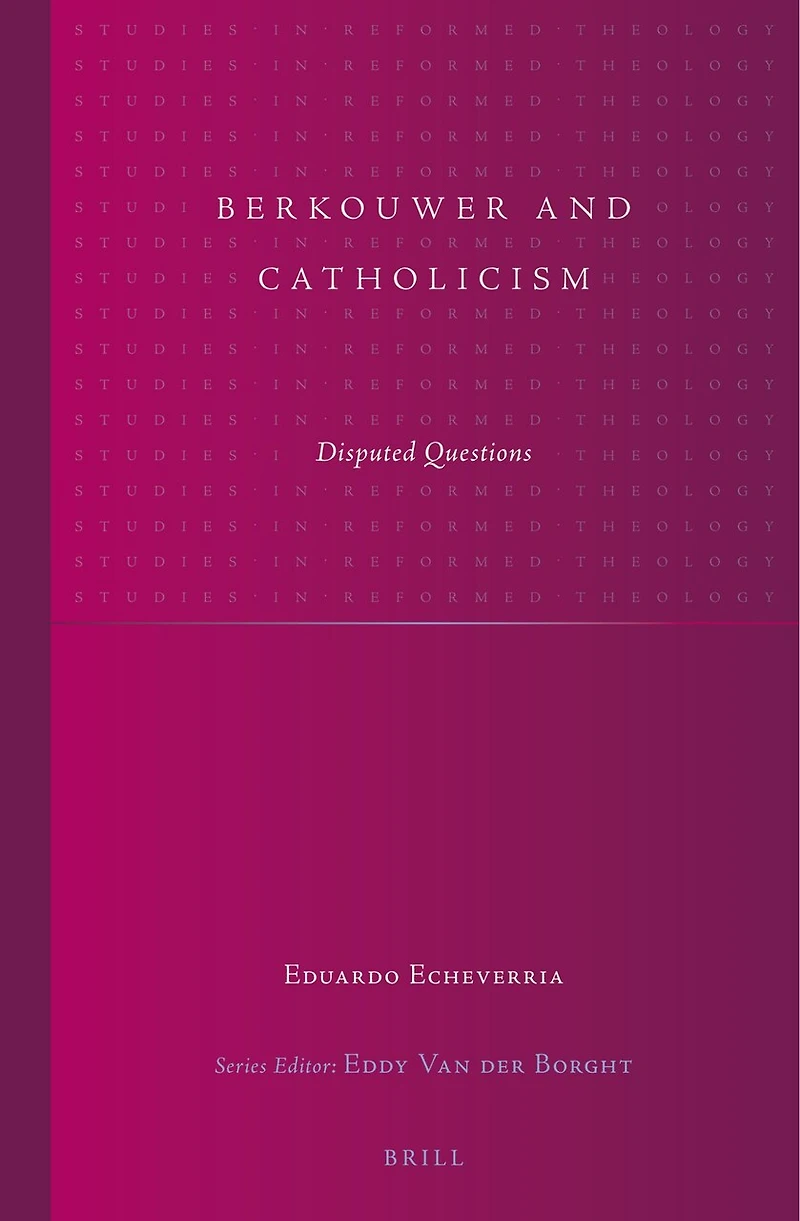
Berkouwer and Catholicism: Disputed Questions in Grande Prairie, AB
Current price: $390.99
Coles
Berkouwer and Catholicism: Disputed Questions in Grande Prairie, AB
Current price: $390.99
Loading Inventory...
Size: Hardcover
*Product information and pricing may vary - to confirm current pricing, availability, shipping, and return information please contact Coles. In the event of a pricing discrepancy, the retailer's price will apply.
Gerrit Cornelis Berkouwer (1903-1996) was a great master of dogmatic and ecumenical theology. He was a Reformed Protestant thinker, with roots in Dutch neo-Calvinism, a holder of the Chair in Dogmatics (1945-1974) at the Free University, Amsterdam, a position previously held by his two illustrious neo-Calvinist predecessors, Abraham Kuyper (1837-1920) and Herman Bavinck (1854-1921). Echeverria provides a much needed in-depth analysis and critique of his theology, particularly his evolving relationship with Catholicism in light of Vatican II. His contention is that Berkouwer’s careful and nuanced examination of Catholic theology—as well as possible responses to his critiques—offers important clues for the contemporary ecumenical project.
Gerrit Cornelis Berkouwer (1903-1996) was a great master of dogmatic and ecumenical theology. He was a Reformed Protestant thinker, with roots in Dutch neo-Calvinism, a holder of the Chair in Dogmatics (1945-1974) at the Free University, Amsterdam, a position previously held by his two illustrious neo-Calvinist predecessors, Abraham Kuyper (1837-1920) and Herman Bavinck (1854-1921). Echeverria provides a much needed in-depth analysis and critique of his theology, particularly his evolving relationship with Catholicism in light of Vatican II. His contention is that Berkouwer’s careful and nuanced examination of Catholic theology—as well as possible responses to his critiques—offers important clues for the contemporary ecumenical project.
You May Also Like









Find at Prairie Mall in Grande Prairie, AB
Visit at Prairie Mall in Grande Prairie, AB