


Gifting Made Simple
Give the Gift of ChoiceClick below to purchase a Prairie Mall eGift Card that can be used at participating retailers at Prairie Mall.Buy Gift CardHome
Belarusian Nation-Building in Times of War and Revolution
Coles
Loading Inventory...
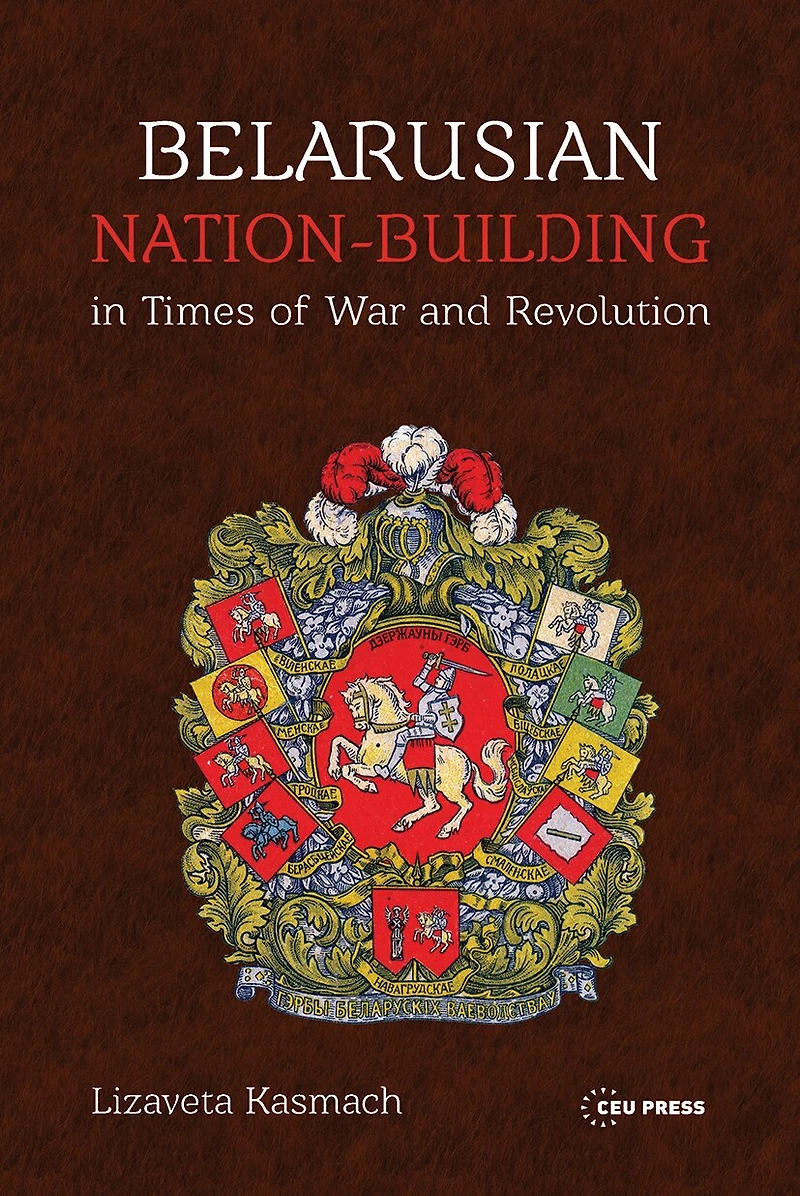
Belarusian Nation-Building in Times of War and Revolution in Grande Prairie, AB
Current price: $213.50
Coles
Belarusian Nation-Building in Times of War and Revolution in Grande Prairie, AB
Current price: $213.50
Loading Inventory...
Size: Hardcover
*Product information and pricing may vary - to confirm current pricing, availability, shipping, and return information please contact Coles. In the event of a pricing discrepancy, the retailer's price will apply.
The proclamation of Belarusian independence on March 25, 1918, and the rival establishment of the Soviet Belarusian state on January 1, 1919, created two distinct and mutually exclusive national myths, which continue to define contemporary Belarusian society. This book examines the processes that resulted in this dual resolution in the context of World War I and the subsequent Russian Revolutions. Based on original archival material, Lizaveta Kasmach scrutinizes the development of competing concepts of Belarusian nationhood in the context of rivaling national aspirations and imperial policies. The analysis convincingly demonstrates the divisions within the nationalist movement, both politically between the moderates and socialists, and geographically between German-occupied territory with Vilna as a center versus Russian-controlled territory around Minsk. Besides the case study of Belarusian nation-building efforts, the book is a contribution to the study of the First World War in East Central Europe, approaching the war and its aftermath as a mobilizational moment in the region.
The proclamation of Belarusian independence on March 25, 1918, and the rival establishment of the Soviet Belarusian state on January 1, 1919, created two distinct and mutually exclusive national myths, which continue to define contemporary Belarusian society. This book examines the processes that resulted in this dual resolution in the context of World War I and the subsequent Russian Revolutions. Based on original archival material, Lizaveta Kasmach scrutinizes the development of competing concepts of Belarusian nationhood in the context of rivaling national aspirations and imperial policies. The analysis convincingly demonstrates the divisions within the nationalist movement, both politically between the moderates and socialists, and geographically between German-occupied territory with Vilna as a center versus Russian-controlled territory around Minsk. Besides the case study of Belarusian nation-building efforts, the book is a contribution to the study of the First World War in East Central Europe, approaching the war and its aftermath as a mobilizational moment in the region.
You May Also Like












Find at Prairie Mall in Grande Prairie, AB
Visit at Prairie Mall in Grande Prairie, AB