


Gifting Made Simple
Give the Gift of ChoiceClick below to purchase a Prairie Mall eGift Card that can be used at participating retailers at Prairie Mall.Buy Gift CardHome
Becoming Nietzsche: Early Reflections on Democritus, Schopenhauer, and Kant
Coles
Loading Inventory...
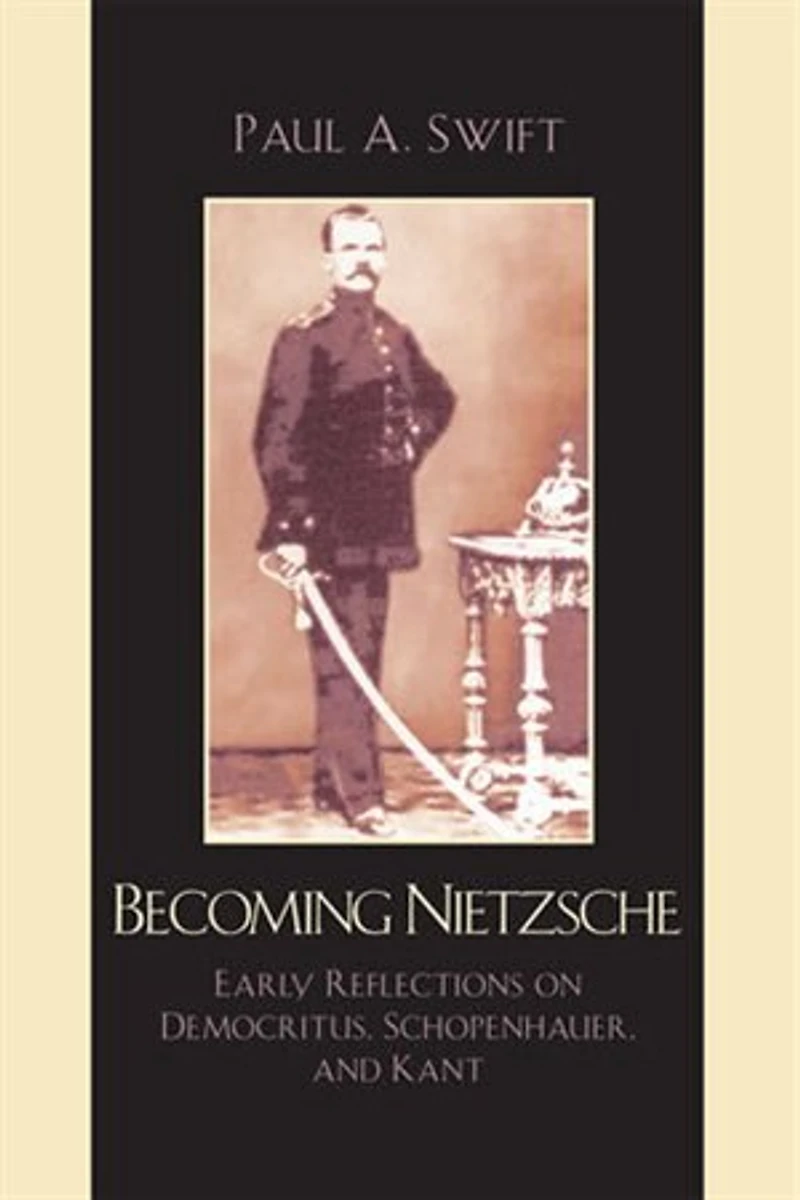
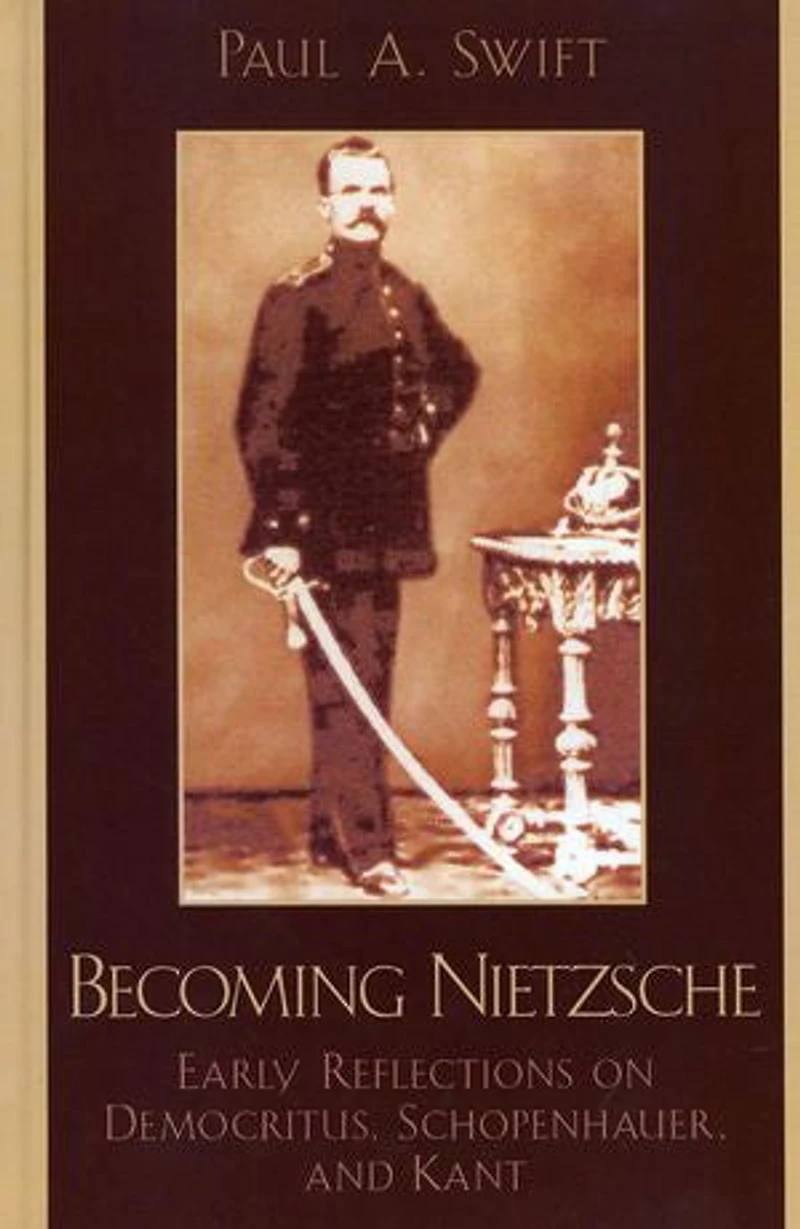
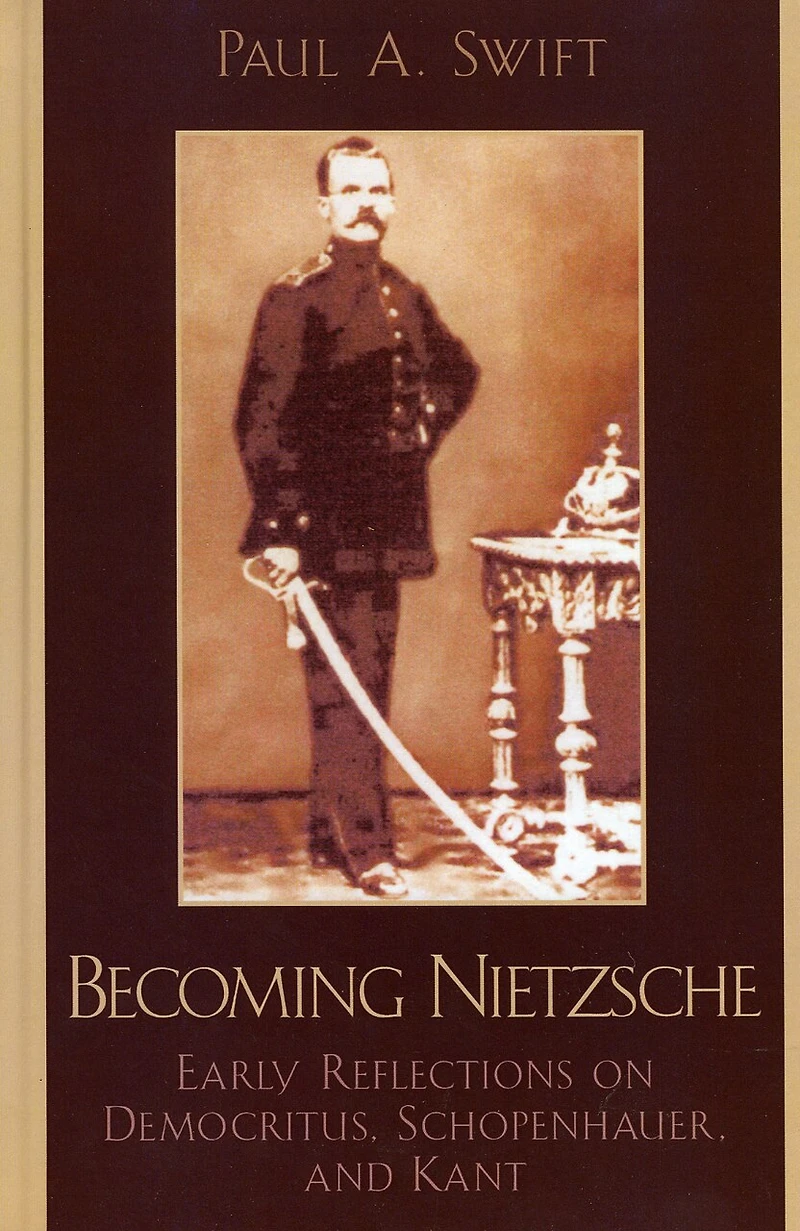
Becoming Nietzsche: Early Reflections on Democritus, Schopenhauer, and Kant in Grande Prairie, AB
Current price: $140.00
Coles
Becoming Nietzsche: Early Reflections on Democritus, Schopenhauer, and Kant in Grande Prairie, AB
Current price: $140.00
Loading Inventory...
Size: Hardcover
*Product information and pricing may vary - to confirm current pricing, availability, shipping, and return information please contact Coles. In the event of a pricing discrepancy, the retailer's price will apply.
Becoming Nietzsche is an essential book for understanding Nietzsche's philosophical genealogy from 1866 to 1868, a phase that is punctuated by the influence of Friedrich Lange and a surprising rejection of Schopenhauer's theory of the will. During this phase, Nietzsche focuses on the scientific and artistic status of teleological judgments and their relevance for thinking about organic life and representation. Paul A. Swift deftly connects Nietzsche's philology with the development of his theory of human understanding by providing scholarly analysis and short original translations of Nietzsche's early work on Democritus, Schopenhauer, and Kant. A first of its kind study suitable for Nietzsche specialists, historians of philosophy, and newcomers who have broad interests in the humanities, Becoming Nietzsche investigates how Democritus's rejection of teleology and Kant's analysis of reflective judgment directly influenced Nietzsche's aesthetic perspectivism in the 1860s.
Becoming Nietzsche is an essential book for understanding Nietzsche's philosophical genealogy from 1866 to 1868, a phase that is punctuated by the influence of Friedrich Lange and a surprising rejection of Schopenhauer's theory of the will. During this phase, Nietzsche focuses on the scientific and artistic status of teleological judgments and their relevance for thinking about organic life and representation. Paul A. Swift deftly connects Nietzsche's philology with the development of his theory of human understanding by providing scholarly analysis and short original translations of Nietzsche's early work on Democritus, Schopenhauer, and Kant. A first of its kind study suitable for Nietzsche specialists, historians of philosophy, and newcomers who have broad interests in the humanities, Becoming Nietzsche investigates how Democritus's rejection of teleology and Kant's analysis of reflective judgment directly influenced Nietzsche's aesthetic perspectivism in the 1860s.
You May Also Like











Find at Prairie Mall in Grande Prairie, AB
Visit at Prairie Mall in Grande Prairie, AB