


Gifting Made Simple
Give the Gift of ChoiceClick below to purchase a Prairie Mall eGift Card that can be used at participating retailers at Prairie Mall.Buy Gift CardHome
Battleground Africa: Cold War the Congo, 1960–1965
Coles
Loading Inventory...
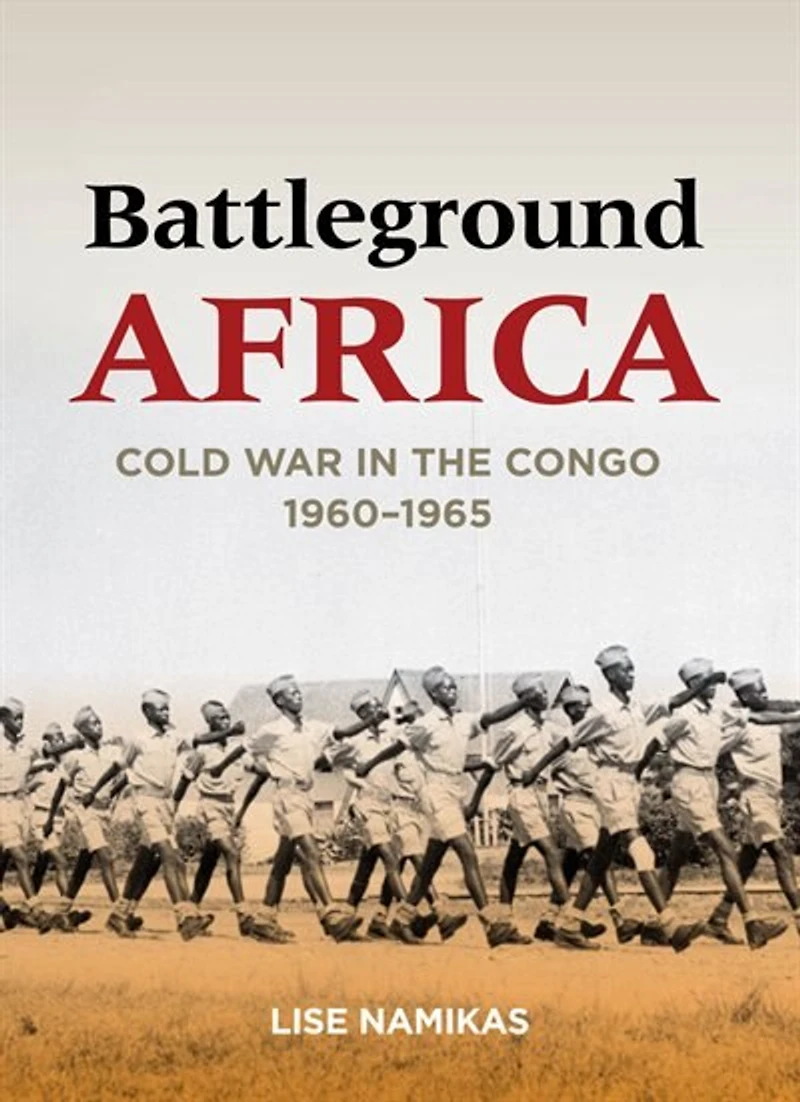
Battleground Africa: Cold War the Congo, 1960–1965 in Grande Prairie, AB
Current price: $205.99
Coles
Battleground Africa: Cold War the Congo, 1960–1965 in Grande Prairie, AB
Current price: $205.99
Loading Inventory...
Size: Hardcover
*Product information and pricing may vary - to confirm current pricing, availability, shipping, and return information please contact Coles. In the event of a pricing discrepancy, the retailer's price will apply.
Winner of the 2013 Choice Award for Outstanding Academic Title
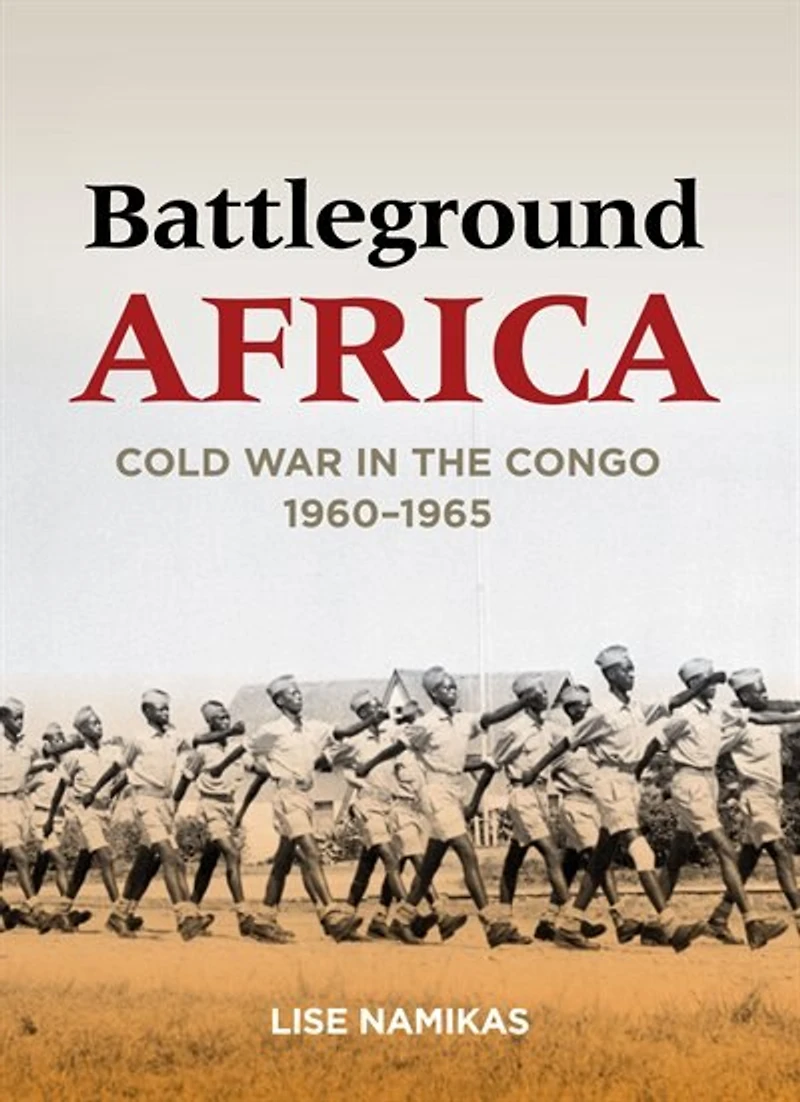
Battleground Africa traces the Congo Crisis from post-World War II decolonization efforts through Mobutu's second coup in 1965 from a radically new vantage point. Drawing on recently opened archives in Russia and the United States, and to a lesser extent Germany and Belgium, Lisa Namikas addresses the crisis from the perspectives of the two superpowers and explains with superb clarity the complex web of allies, clients, and neutral states influencing U.S.-Soviet competition.
Unlike any other work, Battleground Africa looks at events leading up to independence, then considers the assassination of Patrice Lumumba, the series of U.N.-supported constitutional negotiations, and the crises of 1964 and 1965. Finding that the U.S. and the USSR each wanted to avoid a major confrontation, but also misunderstood its opponent's goals and wanted to avoid looking weak or losing its political standing in Africa, Namikas argues that a series of exaggerations and misjudgements helped to militarize the crisis, and ultimately, helped militarize the Cold War on the continent.
Winner of the 2013 Choice Award for Outstanding Academic Title
Battleground Africa traces the Congo Crisis from post-World War II decolonization efforts through Mobutu's second coup in 1965 from a radically new vantage point. Drawing on recently opened archives in Russia and the United States, and to a lesser extent Germany and Belgium, Lisa Namikas addresses the crisis from the perspectives of the two superpowers and explains with superb clarity the complex web of allies, clients, and neutral states influencing U.S.-Soviet competition.
Unlike any other work, Battleground Africa looks at events leading up to independence, then considers the assassination of Patrice Lumumba, the series of U.N.-supported constitutional negotiations, and the crises of 1964 and 1965. Finding that the U.S. and the USSR each wanted to avoid a major confrontation, but also misunderstood its opponent's goals and wanted to avoid looking weak or losing its political standing in Africa, Namikas argues that a series of exaggerations and misjudgements helped to militarize the crisis, and ultimately, helped militarize the Cold War on the continent.
You May Also Like









Find at Prairie Mall in Grande Prairie, AB
Visit at Prairie Mall in Grande Prairie, AB