


Gifting Made Simple
Give the Gift of ChoiceClick below to purchase a Prairie Mall eGift Card that can be used at participating retailers at Prairie Mall.Buy Gift CardHome
Bandit Narratives in Latin America: From Villa to Chávez
Coles
Loading Inventory...
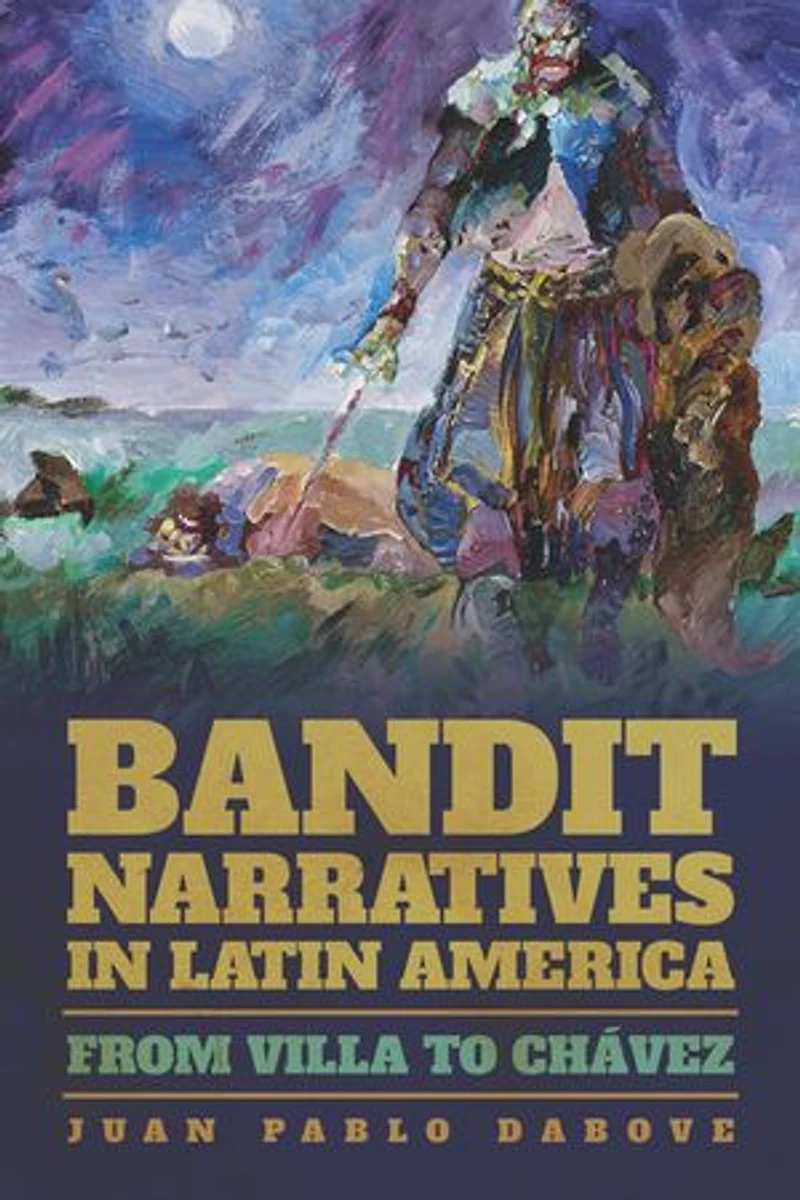
Bandit Narratives in Latin America: From Villa to Chávez in Grande Prairie, AB
Current price: $67.99
Original price: $84.99
Coles
Bandit Narratives in Latin America: From Villa to Chávez in Grande Prairie, AB
Current price: $67.99
Original price: $84.99
Loading Inventory...
Size: Kobo eBook
*Product information and pricing may vary - to confirm current pricing, availability, shipping, and return information please contact Coles. In the event of a pricing discrepancy, the retailer's price will apply.
Bandits seem ubiquitous in Latin American culture. Even contemporary actors of violence are framed by narratives that harken back to old images of the rural bandit, either to legitimize or delegitimize violence, or to intervene in larger conflicts within or between nation-states.
However, the bandit seems to escape a straightforward definition, since the same label can apply to the leader of thousands of soldiers (as in the case of Villa) or to the humble highwayman eking out a meager living by waylaying travelers at machete point. Dabove presents the reader not with a definition of the bandit, but with a series of case studies showing how the bandit trope was used in fictional and non-fictional narratives by writers and political leaders, from the Mexican Revolution to the present. By examining cases from Argentina, Brazil, Mexico, Peru, and Venezuela, from Pancho Villa's autobiography to Hugo Chavez's appropriation of his "outlaw" grandfather, Dabove reveals how bandits function as a symbol to expose the dilemmas or aspirations of cultural and political practices, including literature as a social practice and as an ethical experience.
Bandits seem ubiquitous in Latin American culture. Even contemporary actors of violence are framed by narratives that harken back to old images of the rural bandit, either to legitimize or delegitimize violence, or to intervene in larger conflicts within or between nation-states.
However, the bandit seems to escape a straightforward definition, since the same label can apply to the leader of thousands of soldiers (as in the case of Villa) or to the humble highwayman eking out a meager living by waylaying travelers at machete point. Dabove presents the reader not with a definition of the bandit, but with a series of case studies showing how the bandit trope was used in fictional and non-fictional narratives by writers and political leaders, from the Mexican Revolution to the present. By examining cases from Argentina, Brazil, Mexico, Peru, and Venezuela, from Pancho Villa's autobiography to Hugo Chavez's appropriation of his "outlaw" grandfather, Dabove reveals how bandits function as a symbol to expose the dilemmas or aspirations of cultural and political practices, including literature as a social practice and as an ethical experience.
You May Also Like












Find at Prairie Mall in Grande Prairie, AB
Visit at Prairie Mall in Grande Prairie, AB