


Gifting Made Simple
Give the Gift of ChoiceClick below to purchase a Prairie Mall eGift Card that can be used at participating retailers at Prairie Mall.Buy Gift CardHome
Bananapocalypse: Plantation Capitalism and the Unmaking of Asia's Banana Republic
Coles
Loading Inventory...
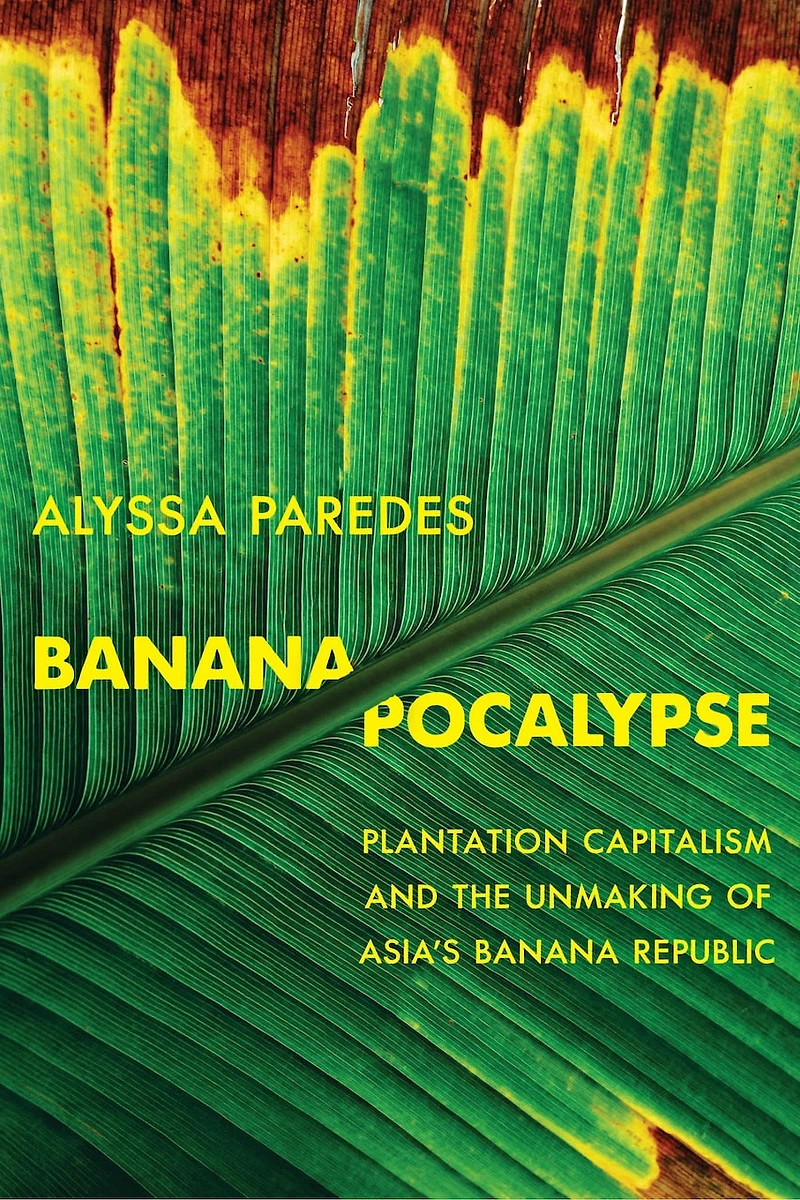
Bananapocalypse: Plantation Capitalism and the Unmaking of Asia's Banana Republic in Grande Prairie, AB
Current price: $119.00
Coles
Bananapocalypse: Plantation Capitalism and the Unmaking of Asia's Banana Republic in Grande Prairie, AB
Current price: $119.00
Loading Inventory...
Size: Hardcover
*Product information and pricing may vary - to confirm current pricing, availability, shipping, and return information please contact Coles. In the event of a pricing discrepancy, the retailer's price will apply.
Existential crises hang over the producers of the world's food. In Bananapocalypse , Alyssa Paredes reveals how many dilemmas facing Big Ag come from self-inflicted wounds. Philippine banana plantations exporting to Japan—a network dubbed “Asia’s banana republic”—unleash chemical drift, food waste, polluted effluent, and fungal pathogens into the environment but are then regularly confounded when the by-products they view as external to their operations double back to haunt them. Paredes traces the afterlives of this detritus as the workings of trade, science, and law run up against the imperiled ecologies of the twenty-first century. Wielding a wide analytic lens, Bananapocalypse offers a model that turns the commodity chain inside out, recounting how communities on the plantations' edges turn moments of industrial exhaustion into opportunities for paradigm shifts.
Existential crises hang over the producers of the world's food. In Bananapocalypse , Alyssa Paredes reveals how many dilemmas facing Big Ag come from self-inflicted wounds. Philippine banana plantations exporting to Japan—a network dubbed “Asia’s banana republic”—unleash chemical drift, food waste, polluted effluent, and fungal pathogens into the environment but are then regularly confounded when the by-products they view as external to their operations double back to haunt them. Paredes traces the afterlives of this detritus as the workings of trade, science, and law run up against the imperiled ecologies of the twenty-first century. Wielding a wide analytic lens, Bananapocalypse offers a model that turns the commodity chain inside out, recounting how communities on the plantations' edges turn moments of industrial exhaustion into opportunities for paradigm shifts.
You May Also Like














Find at Prairie Mall in Grande Prairie, AB
Visit at Prairie Mall in Grande Prairie, AB