


Gifting Made Simple
Give the Gift of ChoiceClick below to purchase a Prairie Mall eGift Card that can be used at participating retailers at Prairie Mall.Buy Gift CardHome
Balkan Genocides: Holocaust And Ethnic Cleansing The Twentieth Century
Coles
Loading Inventory...
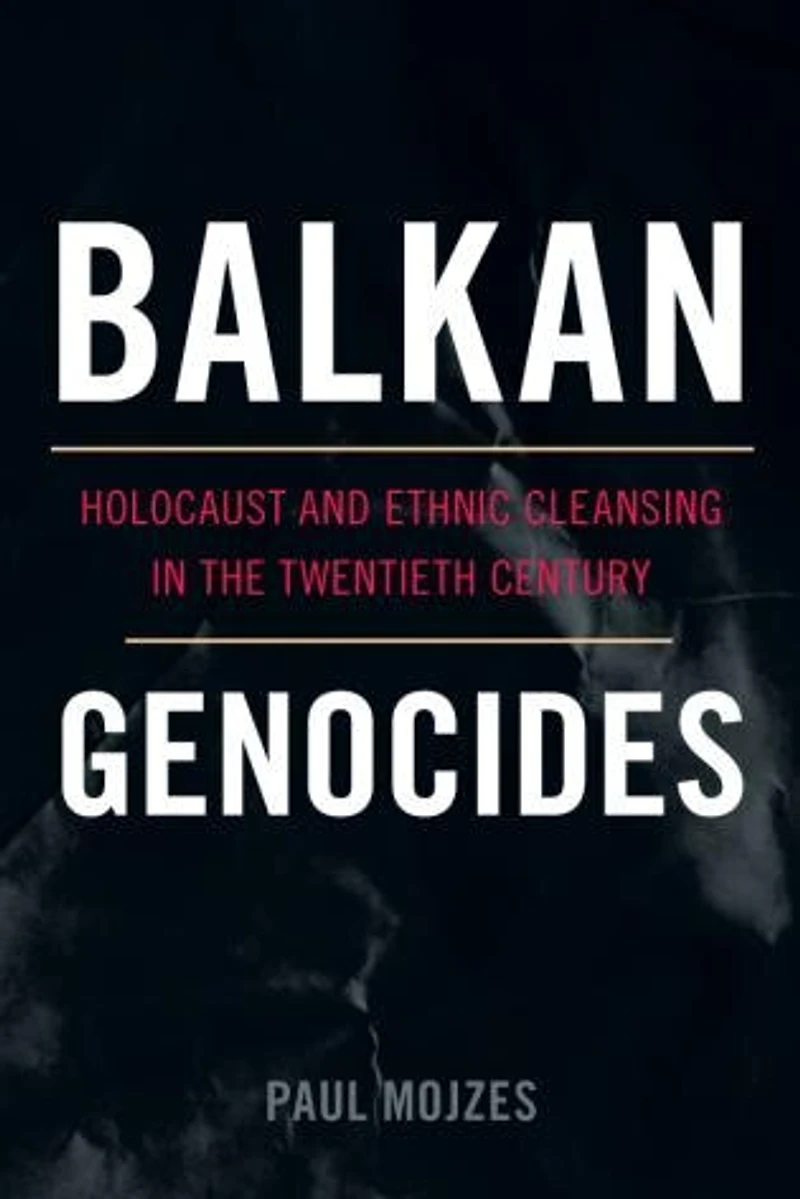
Balkan Genocides: Holocaust And Ethnic Cleansing The Twentieth Century in Grande Prairie, AB
Current price: $109.50
Coles
Balkan Genocides: Holocaust And Ethnic Cleansing The Twentieth Century in Grande Prairie, AB
Current price: $109.50
Loading Inventory...
Size: Hardcover
*Product information and pricing may vary - to confirm current pricing, availability, shipping, and return information please contact Coles. In the event of a pricing discrepancy, the retailer's price will apply.
During the twentieth century, the Balkan Peninsula was affected by three major waves of genocides and ethnic cleansings, some of which are still being denied today. In Balkan Genocides Paul Mojzes provides a balanced and detailed account of these events, placing them in their proper historical context and debunking the common misrepresentations and misunderstandings of the genocides themselves. A native of Yugoslavia, Mojzes offers new insights into the Balkan genocides, including a look at the unique role of ethnoreligiosity in these horrific events and a characterization of the first and second Balkan wars as mutual genocides. Mojzes also looks to the region's future, discussing the ongoing trials at the International Criminal Tribunal in Yugoslavia and the prospects for dealing with the lingering issues between Balkan nations and different religions. Balkan Genocides attempts to end the vicious cycle of revenge which has fueled such horrors in the past century by analyzing the terrible events and how they came to pass.
During the twentieth century, the Balkan Peninsula was affected by three major waves of genocides and ethnic cleansings, some of which are still being denied today. In Balkan Genocides Paul Mojzes provides a balanced and detailed account of these events, placing them in their proper historical context and debunking the common misrepresentations and misunderstandings of the genocides themselves. A native of Yugoslavia, Mojzes offers new insights into the Balkan genocides, including a look at the unique role of ethnoreligiosity in these horrific events and a characterization of the first and second Balkan wars as mutual genocides. Mojzes also looks to the region's future, discussing the ongoing trials at the International Criminal Tribunal in Yugoslavia and the prospects for dealing with the lingering issues between Balkan nations and different religions. Balkan Genocides attempts to end the vicious cycle of revenge which has fueled such horrors in the past century by analyzing the terrible events and how they came to pass.
You May Also Like











Find at Prairie Mall in Grande Prairie, AB
Visit at Prairie Mall in Grande Prairie, AB