


Gifting Made Simple
Give the Gift of ChoiceClick below to purchase a Prairie Mall eGift Card that can be used at participating retailers at Prairie Mall.Buy Gift CardHome
Axis Prisoners of War in Kentucky: Behind Barbed Wire in the Bluegrass State, 1941-1946
Coles
Loading Inventory...
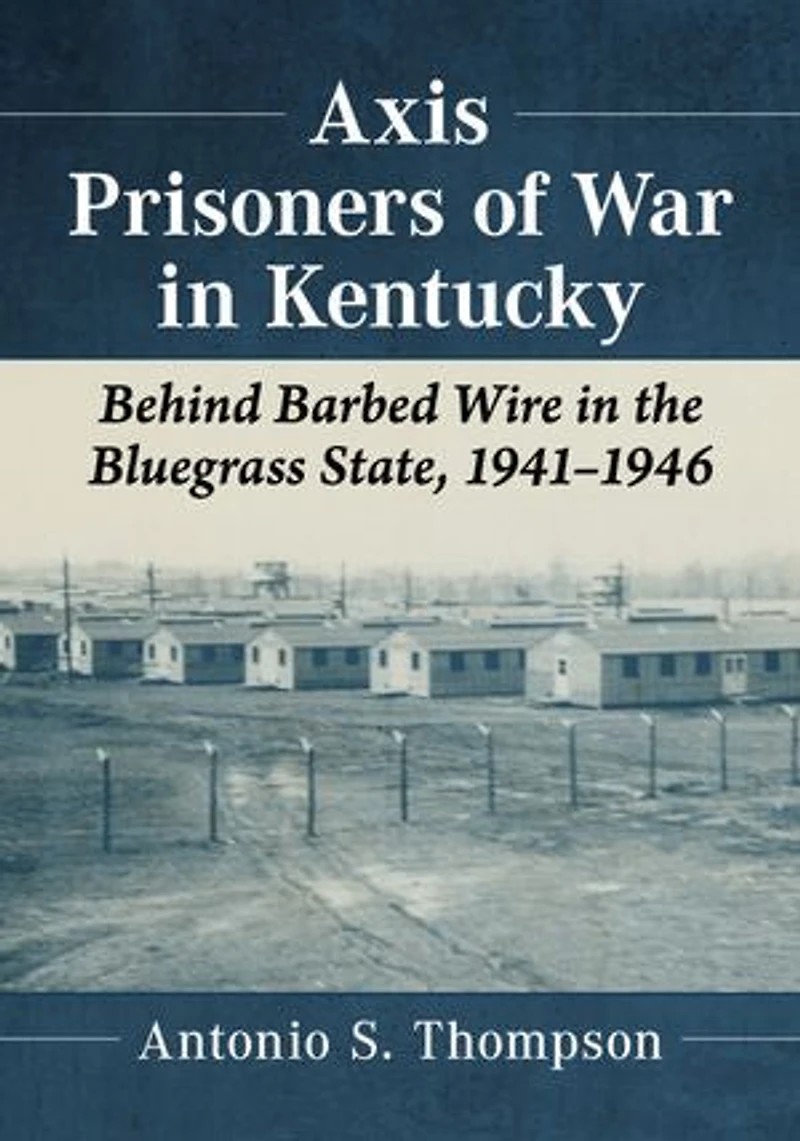
Axis Prisoners of War in Kentucky: Behind Barbed Wire in the Bluegrass State, 1941-1946 in Grande Prairie, AB
Current price: $32.59
Original price: $40.70
Coles
Axis Prisoners of War in Kentucky: Behind Barbed Wire in the Bluegrass State, 1941-1946 in Grande Prairie, AB
Current price: $32.59
Original price: $40.70
Loading Inventory...
Size: Kobo eBook
*Product information and pricing may vary - to confirm current pricing, availability, shipping, and return information please contact Coles. In the event of a pricing discrepancy, the retailer's price will apply.
During World War II, Kentuckians rushed from farms to factories and battlefields, leaving agriculture throughout the state--particularly the lucrative tobacco industry--without sufficient labor. An influx of Axis prisoners of war made up the shortfall. Nearly 10,000 German and Italian POWs were housed in camps at Campbell, Breckinridge, Knox and other locations across the state. Under the Geneva Convention, they worked for their captors and helped save Kentucky's crops, while enjoying relative comfort as prisoners--playing sports, performing musicals and taking college classes. Yet, friction between Nazi and anti-Nazi inmates threatened the success of the program. This book chronicles the POW program in Kentucky and the vital contributions the Bluegrass State made to Allied victory.
During World War II, Kentuckians rushed from farms to factories and battlefields, leaving agriculture throughout the state--particularly the lucrative tobacco industry--without sufficient labor. An influx of Axis prisoners of war made up the shortfall. Nearly 10,000 German and Italian POWs were housed in camps at Campbell, Breckinridge, Knox and other locations across the state. Under the Geneva Convention, they worked for their captors and helped save Kentucky's crops, while enjoying relative comfort as prisoners--playing sports, performing musicals and taking college classes. Yet, friction between Nazi and anti-Nazi inmates threatened the success of the program. This book chronicles the POW program in Kentucky and the vital contributions the Bluegrass State made to Allied victory.
You May Also Like


















Find at Prairie Mall in Grande Prairie, AB
Visit at Prairie Mall in Grande Prairie, AB