


Gifting Made Simple
Give the Gift of ChoiceClick below to purchase a Prairie Mall eGift Card that can be used at participating retailers at Prairie Mall.Buy Gift CardHome
Authoritarian Power And State Formation Ba`thist Syria: Army, Party, Peasant
Coles
Loading Inventory...
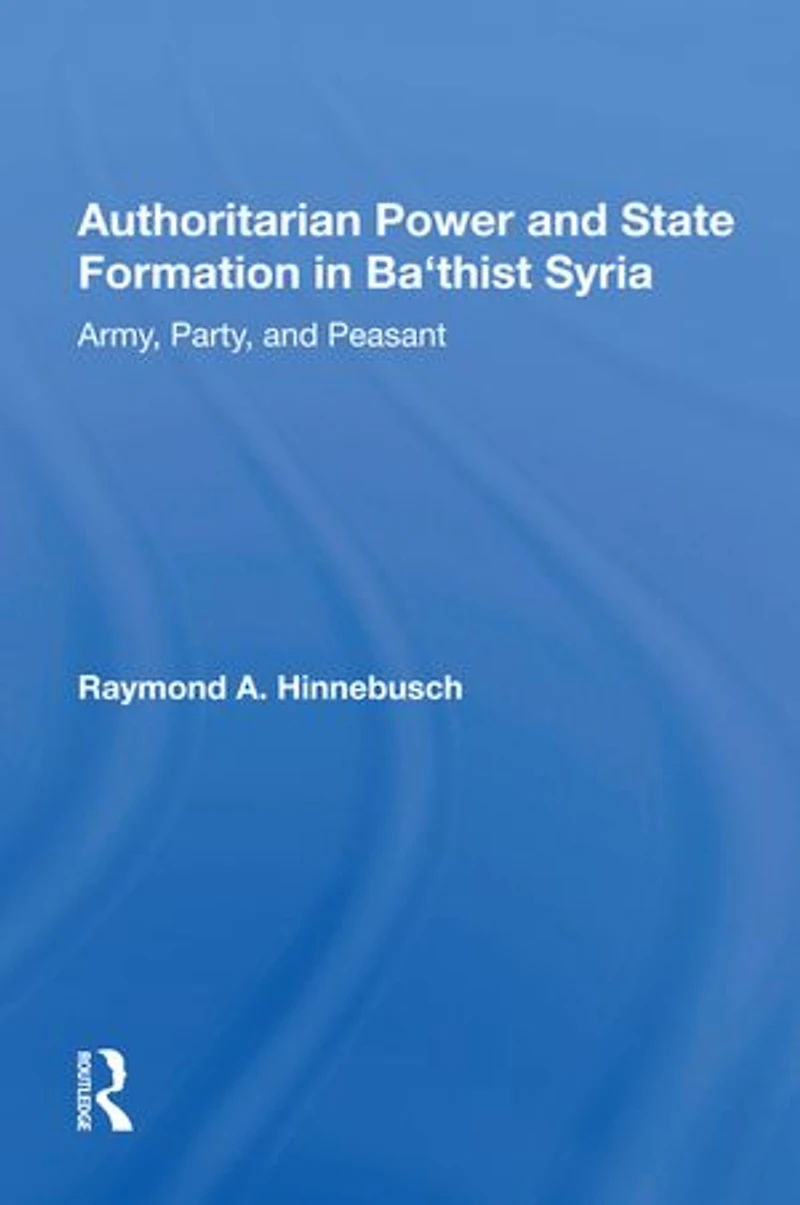
Authoritarian Power And State Formation Ba`thist Syria: Army, Party, Peasant in Grande Prairie, AB
Current price: $81.42
Coles
Authoritarian Power And State Formation Ba`thist Syria: Army, Party, Peasant in Grande Prairie, AB
Current price: $81.42
Loading Inventory...
Size: Kobo eBook
*Product information and pricing may vary - to confirm current pricing, availability, shipping, and return information please contact Coles. In the event of a pricing discrepancy, the retailer's price will apply.
The social and economic forces that worked together to bring the Ba'thist party to power in 1963: the failure of traditional and liberal leadership, an agrarian crisis, the development of party ideology, the politicization of the army and rural mobilization - are examined in this study. Dr Hinnebusch aims to show how the Ba'th's road to power shaped its ideology and the character of its rule. Attention is then given to the pillars of state power - the army, political organizations and the peasantry. The author concludes that the regime has pursued a dual strategy for maintaining power - placing kin and clientelist networks at the levers of coercive power and building structures based on the mass incorporation of the rural population.
The social and economic forces that worked together to bring the Ba'thist party to power in 1963: the failure of traditional and liberal leadership, an agrarian crisis, the development of party ideology, the politicization of the army and rural mobilization - are examined in this study. Dr Hinnebusch aims to show how the Ba'th's road to power shaped its ideology and the character of its rule. Attention is then given to the pillars of state power - the army, political organizations and the peasantry. The author concludes that the regime has pursued a dual strategy for maintaining power - placing kin and clientelist networks at the levers of coercive power and building structures based on the mass incorporation of the rural population.
You May Also Like













Find at Prairie Mall in Grande Prairie, AB
Visit at Prairie Mall in Grande Prairie, AB