


Gifting Made Simple
Give the Gift of ChoiceClick below to purchase a Prairie Mall eGift Card that can be used at participating retailers at Prairie Mall.Buy Gift CardHome
Augustine on the Nature of Virtue and Sin
Coles
Loading Inventory...
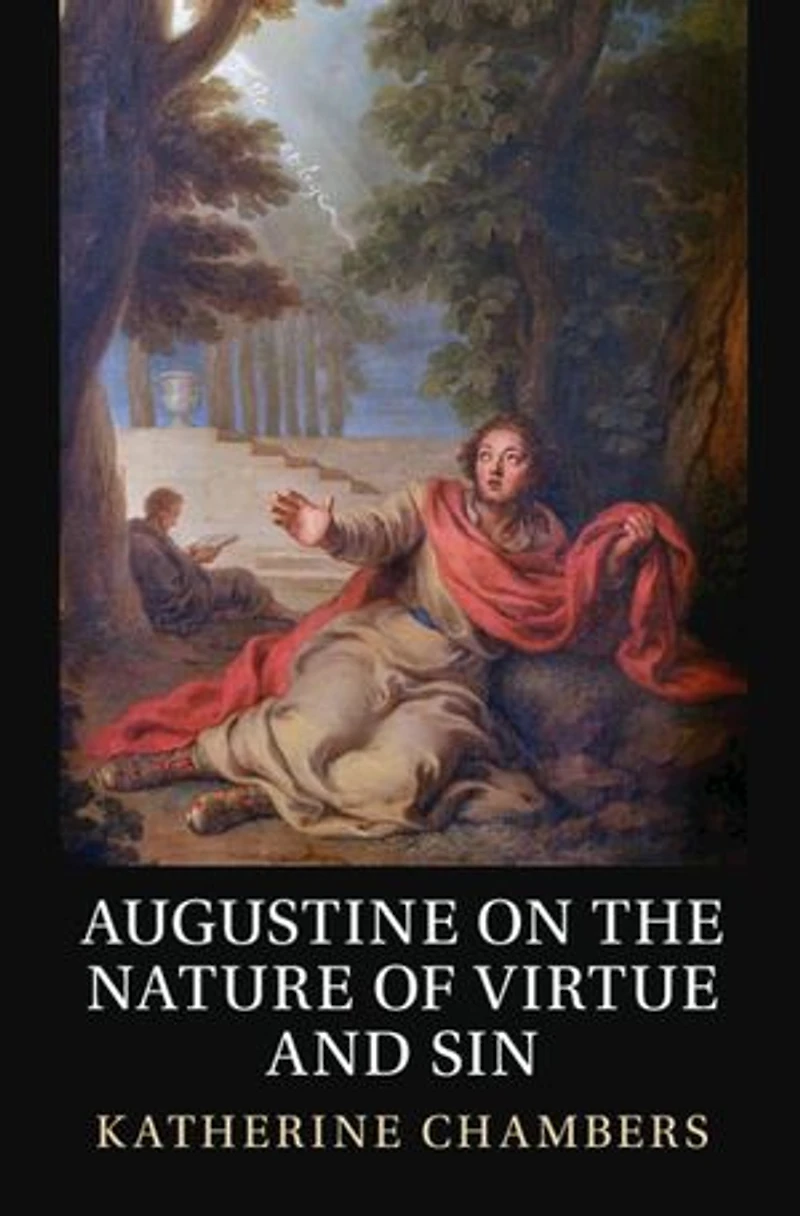
Augustine on the Nature of Virtue and Sin in Grande Prairie, AB
Current price: $126.39
Original price: $157.95
Coles
Augustine on the Nature of Virtue and Sin in Grande Prairie, AB
Current price: $126.39
Original price: $157.95
Loading Inventory...
Size: Kobo eBook
*Product information and pricing may vary - to confirm current pricing, availability, shipping, and return information please contact Coles. In the event of a pricing discrepancy, the retailer's price will apply.
Augustine of Hippo is a key figure in the history of Christianity and has had a profound impact on the course of western moral and political thought. Katherine Chambers here explores a neglected topic in Augustinian studies by offering a systematic account of the meaning that Augustine gave to the notions of virtue, vice and sin. Countering the view that he broke with classical eudaimonism, she demonstrates that Augustine's moral thought builds on the dominant approach to ethics in classical 'pagan' antiquity. A critical appraisal of this tradition reveals that Augustine remained faithful to the eudaimonist approach to ethics. Chambers also refutes the view that Augustine was a political pessimist or realist, showing that it is based upon a misunderstanding of Augustine's ideas about the virtue of justice. Providing a coherent account of key features in Augustine's ethics, her study invites a new and fresh evaluation of his influence on western moral and political thought.
Augustine of Hippo is a key figure in the history of Christianity and has had a profound impact on the course of western moral and political thought. Katherine Chambers here explores a neglected topic in Augustinian studies by offering a systematic account of the meaning that Augustine gave to the notions of virtue, vice and sin. Countering the view that he broke with classical eudaimonism, she demonstrates that Augustine's moral thought builds on the dominant approach to ethics in classical 'pagan' antiquity. A critical appraisal of this tradition reveals that Augustine remained faithful to the eudaimonist approach to ethics. Chambers also refutes the view that Augustine was a political pessimist or realist, showing that it is based upon a misunderstanding of Augustine's ideas about the virtue of justice. Providing a coherent account of key features in Augustine's ethics, her study invites a new and fresh evaluation of his influence on western moral and political thought.
You May Also Like











Find at Prairie Mall in Grande Prairie, AB
Visit at Prairie Mall in Grande Prairie, AB